
Marrakech Food Tour Guide: How to Find Hidden Medina Stalls

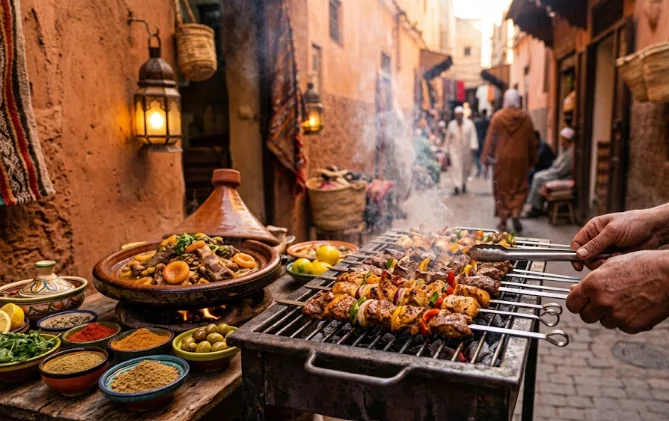
Marrakech doesn’t just wake up with the sun—it smells like it. From sizzling skewers in the Jemaa el-Fnaa air to buttery tagines drifting through the narrow souks, the Medina is a genuine feast for the senses. If you want to go beyond the obvious menus and find the best hidden gems, you’ll need more than a good appetite. Ultimately, mastering a Marrakech food tour requires smart timing, local cues, and a little street-level confidence.
This comprehensive guide is specifically made for international travelers visiting Morocco, including those from the USA, UK, and Europe. Whether you’re booking a guided experience or planning your own independent route, you’ll learn how to eat like a local while navigating the Medina’s maze.
Start With the Right Mindset for Medina Food
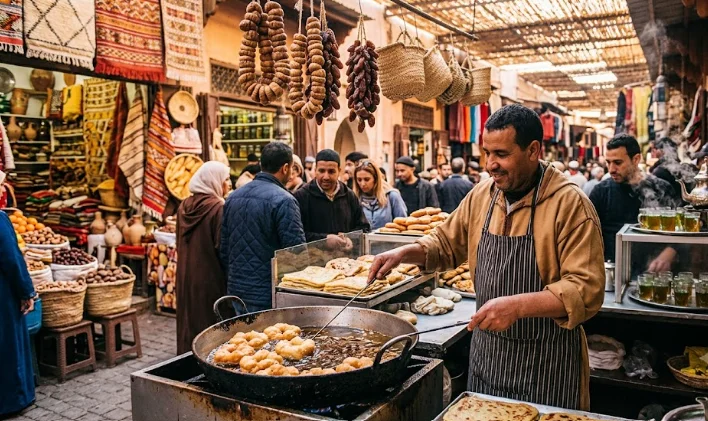
In Marrakech’s Medina, food culture is informal, social, and fast-moving. Many of the best bites come from small stalls where the menu is communicated through sound, smoke, and steady foot traffic—not flashy signage.
Therefore, you should think of your Marrakech food tour as part discovery and part education. In essence, you’re tasting history rather than just eating dinner.
Book a Guided Marrakech Food Tour or Choose a Local Plan
For finding hidden stalls, hiring a professional guide is often the difference between getting “tourist food” and eating “where locals actually go.” If you’re short on time, a reputable guide can also help you manage logistics in busy areas.
On the other hand, if you plan to go independently, build your day around neighborhoods and landmarks. This strategy is much more effective than trying to wander randomly for hours.
What to look for in a Marrakech food tour
- Multiple stops: Look for itineraries that include several distinct tastings, not just one market visit.
- Local sourcing: The best experiences mention ingredients, producers, or specific types of stalls like bakeries, grills, sweets, and soups.
- Time pacing: A good guide spaces stops carefully so you can enjoy each bite without feeling rushed.
- Comfort with the Medina: Expect walking through narrow lanes and crowded squares.
Best time of day for a Marrakech food tour
Most local stalls start cooking in the late afternoon and into the evening. Consequently, you should try to schedule your food journey after 16:00, when the Medina becomes more active and the smell of grilling spices gets stronger.
However, for a calmer experience, you can pair one morning stop for fresh bread and pastries with an afternoon or early evening food route.
How to Spot the Hidden Stall Culture
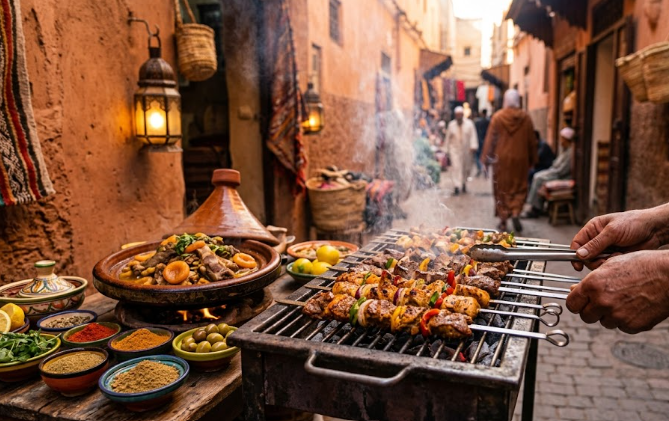
In the Medina, “hidden” doesn’t always mean far away. Instead, it often means tucked behind a sharp turn, inside a small courtyard, or operating without a storefront.
To find these spots, look for cues that signal high quality. These include consistent lines, sizzling grills, and cooks who move quickly and confidently.
Local cues that guarantee a great Marrakech food tour
- Steady turnover: Busy stalls where the food is constantly replaced and served fresh.
- Dedicated cookware: Tagines simmering, griddles heating, and pots steaming—tools that match the dish perfectly.
- Regular customers: If you see groups of locals returning, you’re likely in the right place.
- Fresh scent: Fragrance is a real indicator. For example, rich coriander, cumin, preserved lemon, and toasted spices tell you the food is recent.
Must-Try Flavors on a Marrakech Food Tour
When you’re hunting for the best culinary tips in Medina hidden stalls, focus on what Morocco does uniquely well. Morocco’s street food is flavorful and deeply regional, even when sold from simple setups.
Street staples to include in your Marrakech food tour
Some dishes are common because they’re reliable, affordable, and quick to serve. If you learn how to order them, you’ll get more satisfaction from each stop:
- Harira: A classic tomato-based soup often served in the evening. Always ask when it’s freshest.
- Pastilla (or bastilla): A crispy pastry with a delicate sweet-salty balance. It is best when served warm.
- Mechoui or grilled meats: Look for traditional pits and charcoal grilling for the richest flavor.
- Brochettes: Skewered chicken or beef with spices; perfect for small-bite touring.
- Tagine-style street servings: Even when not in a formal clay tagine, you may find slow-cooked flavors served in bread or small plates.
Sweet stops: Moroccan desserts and mint tea
No authentic Marrakech food tour is complete without sweets. Morocco is famous for pastries made with honey, almonds, sesame, and orange blossom.
To finish your meal, pair your dessert with hot mint tea. This ritual is a core part of the culture, and a good vendor will brew it fresh with the right sweetness balance.
Practical Tips for Eating Safely and Comfortably
While hidden stalls can be amazing, Morocco’s pace and food handling practices vary from place to place. For this reason, use common-sense habits that keep your trip enjoyable.
What to choose and avoid on your Marrakech food tour
- Choose hot, freshly cooked items: Focus on grilled meat, freshly baked bread, and stews served immediately.
- Go for busy stalls: High turnover almost always means fresher ingredients.
- Be cautious with raw toppings: Freshness matters, so ask your guide if you’re unsure.
- Watch for food storage: If dishes sit for long periods without being kept hot, consider skipping that specific stall.
Hydration and pacing
Walking the Medina can be intense in warm weather. Therefore, sip water between tastings. If you’re offered fresh juices, choose places that appear exceptionally clean and busy.
In addition, don’t eat everything at each stop. A smart Marrakech food tour strategy is to taste widely, not overfill early.
Etiquette: How to Order Like a Local
Moroccans are incredibly used to travelers, but politeness still matters. A friendly approach can get you better portions, detailed explanations, and sometimes even a bonus tasting.
Simple phrases for your Marrakech food tour
If you’re comfortable, a quick greeting goes a long way. Keep your voice calm, ask before photographing anyone, and accept that some stalls prefer short conversations over long negotiations.
When ordering, point confidently and ask what’s best. Many vendors will happily guide you toward their most popular items.
How to Build Your Marrakech Food Tour Route
A culinary walk works best when you connect stops logically. Instead of chasing random streets, anchor your route around areas you’ll naturally pass through.
Sample itinerary for an independent Marrakech food tour
You can use this flexible framework to plan your own walk focused on hidden stalls:
- Late afternoon start: Begin around the Medina lanes just as vendors ramp up their cooking.
- First savory stop: Enjoy brochettes or grilled meat with spice-forward flavor.
- Soup or stew stop: Try a warm bowl of harira for comfort and variety.
- Pastry stop: Sample fresh bread, msemen, or a sweet bite with almond-honey notes.
- Evening finish: Conclude with tagine-style roasted items, or a final sweet paired with mint tea.
Pro-Tip: If you’re with a local guide, ask them to tailor the route to your specific preferences, whether that means vegetarian-friendly options, seafood, or only hot grilled items.
Why Hidden Stalls Taste Better
Hidden stalls often deliver more than just great food. They give you the true atmosphere—smoke from charcoal grills, conversation at the edge of the square, and cooks who take pride in repeating their best dishes day after day.
When you follow locals’ patterns, you are much more likely to experience the real flavors that make Morocco unforgettable.
Your Best Marrakech Food Tour Starts With Smart Choices
Finding the best hidden stalls in the Medina is all about combining curiosity with practicality. To maximize your experience, start in the late afternoon, prioritize stalls with steady turnover, and build your route around savory tastings, warm soups, and sweet Moroccan pastries.
Most importantly, eat slowly and stay open to surprises. In the Medina, the best meals often come from the places you didn’t plan—guided simply by smell, local habits, and the joy of tasting Morocco one bite at a time.
FAQ: Marrakech Food Tour & Hidden Stalls
Is it safe to eat street food in the Marrakech Medina?
Yes, eating street food in the Medina is generally safe if you follow basic local rules. To minimize risks, always prioritize busy stalls with a high turnover of local customers, as this guarantees the ingredients are fresh. Additionally, ensure that your meats are grilled thoroughly right in front of you, and stick to bottled water throughout your culinary journey.
How much does a typical Marrakech food tour cost?
The cost can vary significantly depending on whether you choose a self-guided route or a professional agency. If you explore independently, you will spend very little, often between $10 and $20 USD per person for multiple street eats. On the other hand, booking a guided Marrakech food tour with a local expert typically costs between $40 and $85 USD, which conveniently covers all tastings, storytelling, and navigation through the maze-like souks.
Can vegetarians enjoy a food tour in Marrakech?
Moroccan cuisine offers excellent options for vegetarians, though you must communicate your preferences clearly. Many hidden stalls serve rich vegetable tagines, hearty lentil or chickpea stews, and fresh salads. Furthermore, traditional treats like msemen (pancakes) and almond pastries are perfectly vegetarian-friendly, ensuring you won’t miss out on the rich food culture.