
Morocco Travel Safety: Essential Tips for a Peaceful Journey
- Morocco Guide Trip Planning
 Manal Hachi
- 0
- 30 minutes read

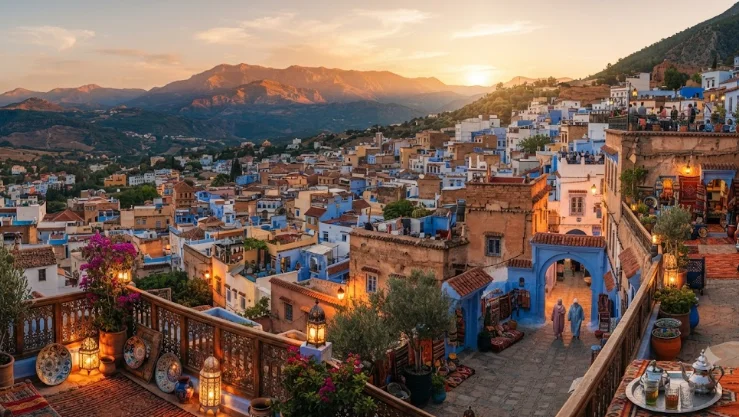
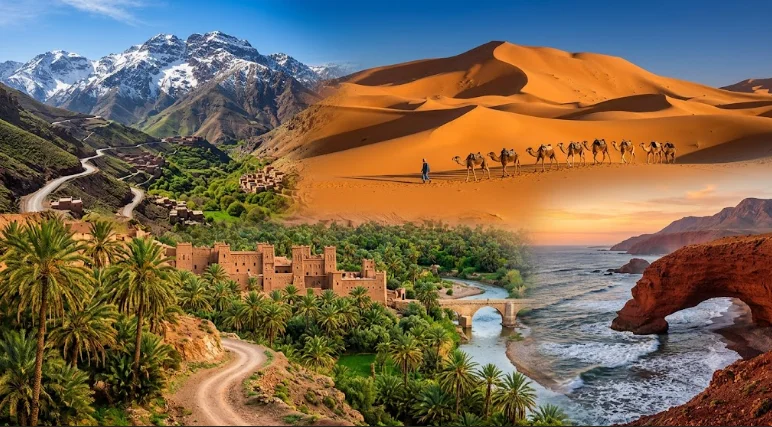
Morocco has long captivated international travelers with its vibrant medinas, majestic Saharan dunes, dramatic Atlas Mountain landscapes, and world-renowned hospitality. However, for first-time visitors and seasoned travelers alike, questions regarding Morocco travel safety remain at the top of mind before booking a trip.
Whether you are wondering about crime rates, navigating busy souks, traveling as a solo female, or understanding official government advisories, this comprehensive guide provides everything you need to know. Backed by official statistics, regional advisories, and practical local advice, this guide will help you explore the Kingdom of Morocco with confidence, comfort, and complete peace of mind. Furthermore, mastering Morocco travel safety ensures that your vacation remains entirely stress-free from start to finish.
1. The Reality of Safety in Morocco: Facts vs. Myths
Morocco welcomes well over 17 million international visitors annually, making it one of the top tourist destinations in Africa and the Mediterranean region. Consequently, the overwhelming majority of these journeys occur smoothly, leaving travelers with memorable experiences and warm impressions of Moroccan culture.
Official Government Advisories & Security Posture
International diplomatic agencies—including the U.S. Department of State and the UK Foreign, Commonwealth & Development Office (FCDO)—maintain favorable travel advisories regarding Morocco travel safety. Therefore, the U.S. State Department classifies Morocco alongside major Western European tourism hubs such as France, Spain, Italy, and the United Kingdom, citing a stable domestic security environment and robust national police operations.
Additionally, the Moroccan government places tourist safety at the top of its national priorities. In every major tourist hub—such as Marrakech, Fes, Tangier, and Casablanca—dedicated tourist police forces (Brigade Touristique) operate in both uniform and plain clothes to deter crime, prevent harassment, and assist foreign visitors.
Violent Crime vs. Petty Offenses
Violent crime targeting foreign tourists in Morocco is exceptionally rare. Because the country boasts strict firearm laws, violent street incidents remain drastically lower than in many major North American and Western European cities.
However, the primary security concern for visitors is limited to petty opportunistic crime:
- Pickpocketing in densely populated markets (souks) and public transit nodes.
- Overcharging by unmetered taxis or unlicensed guides.
- Aggressive sales tactics and minor street hustles.
Understanding how to recognize and avoid these minor nuisances ensures your trip remains relaxed and enjoyable.
For step-by-step guidance on planning your initial itinerary, explore our detailed [Internal Link: Essential Morocco Packing and Preparation Guide].
2. City-by-City Breakdown and Morocco Travel Safety
Safety dynamics can vary depending on whether you are navigating the medieval maze of an imperial medina, relaxing in a coastal resort town, or trekking in remote mountain passes.
e——————+————–+———————————-+————————————————+ | City / Region | Safety Level | Primary Risk Category | Local Recommendation / Tip | e——————+————–+———————————-+————————————————+ | Marrakech | High | Petty theft, aggressive hustling | Use metered taxis; hire licensed guides in souks| | Fes | High | Getting lost in medina, scams | Use offline GPS maps; ignore unsolicited assistance| | Chefchaouen | Very High | Drug peddling (hashish/kif) | Firmly decline vendor offers; walk away calmly | | Tangier | High | Port area hustlers | Modernized city; stick to main illuminated streets| | Casablanca | Moderate | Pickpocketing, urban traffic | Secure valuables; use ride-hailing applications| | Agadir & Essaouira| Very High | Minor beach peddling | Very relaxed; ideal for families & solo travelers| | High Atlas | High | Mountain weather, trail hazards | Hire certified mountain guides for trekking | e——————+————–+———————————-+————————————————+
Marrakech
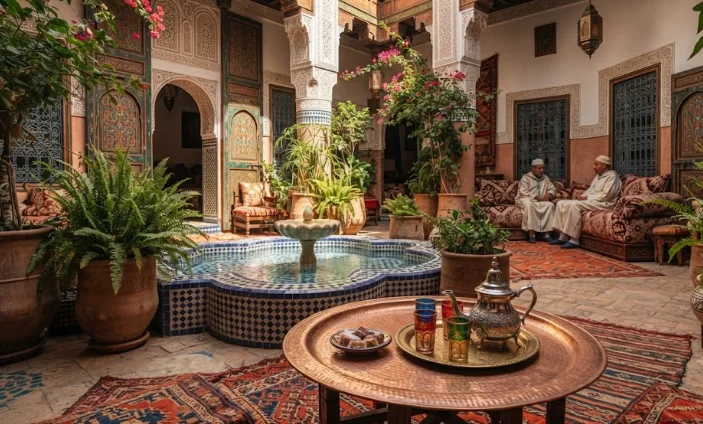
As Morocco’s main tourism hub, Marrakech is extremely well-patrolled. The iconic Jemaa el-Fnaa square and surrounding souks are lively into the late hours of the night. Primary safety concerns include pickpocketing, henna artists applying unwanted designs for high fees, and fake guides offering directions to closed monuments.
Fes
Fes el-Bali is one of the world’s largest car-free urban areas, containing over 9,000 narrow alleyways. While physical violence is rare, getting disoriented is guaranteed. Therefore, you should always hire an official guide through your accommodation or the local tourist office when exploring the medina for the first time.
Chefchaouen
Nestled in the Rif Mountains, the famous Blue City is celebrated for its laid-back atmosphere and friendly locals. The most common occurrence here is local men offering cannabis (kif) to travelers. Drug laws in Morocco are strict, and possession carries severe penalties. Consequently, a polite, firm “Non, merci” is all that is required to move past these offers.
Casablanca & Rabat
As economic and political capitals respectively, Casablanca and Rabat feel modern and cosmopolitan. Standard urban safety rules apply here, particularly on public buses and around major railway stations where pickpockets occasionally target distracted commuters.
3. How to Avoid Common Tourist Scams Regarding Morocco Travel Safety
Scams in Morocco rarely involve physical danger; rather, they are designed to separate tourists from their cash through confusion or psychological pressure. Knowing the mechanics of these common traps eliminates stress and enhances overall Morocco travel safety.
                   +-----------------------------------------------+
                   |           COMMON TOURIST SCAMS               |
                   +-----------------------------------------------+
                                           |
         +---------------------------------+---------------------------------+
         |                                 |                                 |
         v                                 v                                 v
+------------------+              +------------------+              +------------------+
|   Fake Guides    |              | Taxi Overcharge  |              | Henna & Photos   |
| Offers "help" to |              | Refuses meter or |              | Forced service   |
| navigate medina  |              | fake flat rates  |              | without consent  |
+------------------+              +------------------+              +------------------+
         |                                 |                                 |
         v                                 v                                 v
+------------------+              +------------------+              +------------------+
| Solution: Firmly |              | Solution: Insist |              | Solution: Keep   |
| decline & use    |              | on "compteur" or |              | hands away, ask  |
| offline maps     |              | use app          |              | price first      |
+------------------+              +------------------+              +------------------+
1. The “Road is Closed” / Fake Guide Scam
- How it works: Young men or teens approach travelers carrying luggage or looking at phones, claiming that a specific landmark, mosque, or street is “closed for prayer,” “blocked,” or “dangerous.” They then offer to guide you to an alternative destination, ending up at a family carpet shop or demanding an inflated tip.
- How to handle it: Express confident polite disinterest (“I know where I am going, thank you”). Furthermore, download an offline navigation app such as Maps.me or Google Maps prior to walking through medinas.
2. The Unmetered Taxi Trap
- How it works: Drivers near airports, train stations, or major tourist plazas claim the taxi meter (compteur) is broken, demanding a flat rate that is 3 to 5 times the legal fare.
- How to handle it: Before stepping into a petit taxi, ask the driver to turn on the meter (“Activez le compteur, s’il vous plaît”). If they refuse, step out and hail another taxi. Alternatively, utilize ride-hailing services like Careem or inDrive in major cities such as Marrakech, Casablanca, and Rabat.
3. Aggressive Souk Vendors & Shop Pressure
- How it works: Merchants may invite you into a store for mint tea, spend an hour showcasing carpets or handicrafts, and then make you feel guilty for leaving without purchasing.
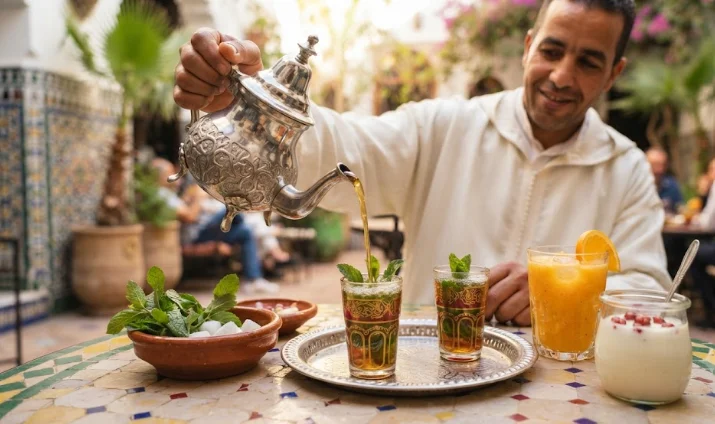
- How to handle it: Remember that drinking mint tea is an act of hospitality, but you are under no obligation to buy. Bargaining is standard cultural practice. Counter offers with a warm smile, negotiate respectfully, and feel completely free to walk away if the price does not suit your budget.
4. Unrequested Services (Photos & Henna)
- How it works: Performers in public squares (e.g., snake charmers, monkey handlers, or henna artists) place animals on your shoulder or start drawing on your hand without permission, then demand high payment.
- How to handle it: Maintain distance, keep your hands tucked in pockets when walking through dense performance areas, and negotiate a clear price before taking photos or accepting any service.
4. Solo Female Travel and Morocco Travel Safety
Morocco is an increasingly popular destination for solo female travelers. While women travel safely across the country every day, understanding local gender dynamics and cultural expectations will dramatically enhance your comfort level and ensure proper Morocco travel safety.
           +-----------------------------------------------------+
           |         SOLO FEMALE TRAVEL: 4 CORE PILLARS          |
           +-----------------------------------------------------+
                                      |
       +------------------+-----------+-----------+------------------+
       |                  |                       |                  |
       v                  v                       v                  v
+--------------+   +--------------+        +--------------+   +--------------+
| Modest Dress |   | Eye Contact  |        | Accommodation|   | Night Rules  |
| Cover shoulders  | Avoid long   |        | Stay in central  | Stick to main|
| & knees      |   | eye contact  |        | high-rated   |   | lit thorough-|
| in non-resorts|  | with strangers|       | riads        |   | fares        |
+--------------+   +--------------+        +--------------+   +--------------+
Street Attention and How to Manage It
Verbal catcalling or unwanted attention (often consisting of greetings like “Bonjour,” “Welcome to Morocco,” or personal compliments) can occur in public spaces.
- The Best Response: The most effective technique used by local women and experienced travelers is deliberate indifference. Wearing sunglasses, listening to headphones, and ignoring unwanted comments while walking purposefully prevents further engagement.
- Setting Boundaries: If someone becomes persistent, look them directly in the eye and say firmly, “La, Shukran” (No, thank you in Arabic) or “Hshouma” (Shame on you), which carries strong cultural weight.
Dress Code & Cultural Respect
Morocco is a modern yet conservative Muslim-majority society. Dressing modestly helps reduce unwanted attention and shows respect for local traditions:
- What to wear: Flowing linen pants, maxi skirts, long dresses, and tops that cover shoulders and chest are ideal for warm weather. Carrying a lightweight scarf in your day bag is handy for visiting religious or rural sites.
- Resort vs. Medina: Swimwear and shorts are completely normal at hotel pools, beach resorts (Agadir, Taghazout, Essaouira), and coastal beach clubs. However, you should always cover up when walking back through town streets or medinas.
Accommodation & Night Safety for Women
- Select accommodations (such as authentic rids) with 24/7 reception and high ratings from other female travelers.
- Many rids will happily send a staff member to meet your taxi or guide you back to your door after dinner at night.
- Avoid walking alone down unlit, isolated residential alleyways in ancient medinas late at night. Instead, stick to illuminated main streets.
For more inspiration on female-friendly routes, read our detailed [Internal Link: Solo Travel in Morocco: Itineraries and Local Insights].
5. Transportation and Road Morocco Travel Safety
Getting around Morocco is efficient and enjoyable, provided you choose reputable transport operators and practice standard Morocco travel safety.
+——————+—————————–+————————————————+ | Transport Type | Recommended Operators | Key Safety Advice | +——————+—————————–+————————————————+ | Trains | ONCF / Al Boraq High Speed | Book 1st class for comfort & luggage security | | Long-Distance Bus| CTM, Supratours | Reliable drivers, luggage tags, scheduled stops| | Petit Taxis | Licensed city cabs | Ensure meter is running; carry small dirhams | | Car Rental | Major international brands | Avoid night driving in rural/mountain areas | +——————+—————————–+————————————————+
Driving in Morocco
Self-driving offers immense freedom to explore areas like the Dades Valley or the Atlantic coastline. However, Moroccan traffic can feel unpredictable for those accustomed to Western roads.
- Traffic Hazards: Pedestrians, scooters, livestock, and unlit bicycles frequently cross roadways, even on highways.
- Speed Checks: Police checkpoints (barrages) are common on entry and exit points of every city and town. Always slow down completely when approaching a checkpoint and wait for the officer to wave you through.
- Night Driving: Avoid driving long distances in mountain regions or rural areas after dark due to limited street lighting and winding terrain.
Public Transit Safety
- High-Speed Trains (Al Boraq): Connecting Tangier, Kenitra, Rabat, and Casablanca, this modern high-speed train is punctual, clean, and extremely safe.
- Intercity Buses: Opt for premium intercity operators such as CTM or Supratours. They feature well-maintained fleets, professional drivers, and secure luggage handling. Avoid local unbranded city buses for long trips.
Check out our complete breakdown on navigating local transit in our guide on [Internal Link: Mastering Public Transport in North Africa].
6. Health, Water, and Food Morocco Travel Safety
Staying healthy during your trip is a crucial component of overall Morocco travel safety. Fortunately, remaining healthy is straightforward when you practice basic hygiene precautions.
Tap Water vs. Bottled Water
- Tap water in major Moroccan cities is generally treated, but its mineral composition can cause stomach upset in international travelers unaccustomed to the local flora.
- Therefore, stick to bottled mineral water (popular local brands include Sidi Ali and Ain Saiss) or use a UV purifying water bottle.
- Ensure bottled water seals are intact upon purchase.
- Ice in high-end hotels and established restaurants is made from filtered water and is safe to consume.
                     +---------------------------------------+
                     |       FOOD & HEALTH SAFETY TIPS       |
                     +---------------------------------------+
                                         |
         +-------------------------------+-------------------------------+
         |                               |                               |
         v                               v                               v
+-----------------+             +-----------------+             +-----------------+
|   Street Food   |             | Sun Protection  |             | Medical Kit     |
| Eat at high-    |             | High SPF, wide  |             | Carry basic     |
| turnover stalls |             | brimmed hats    |             | digestive meds  |
+-----------------+             +-----------------+             +-----------------+
Street Food & Dining Guidelines
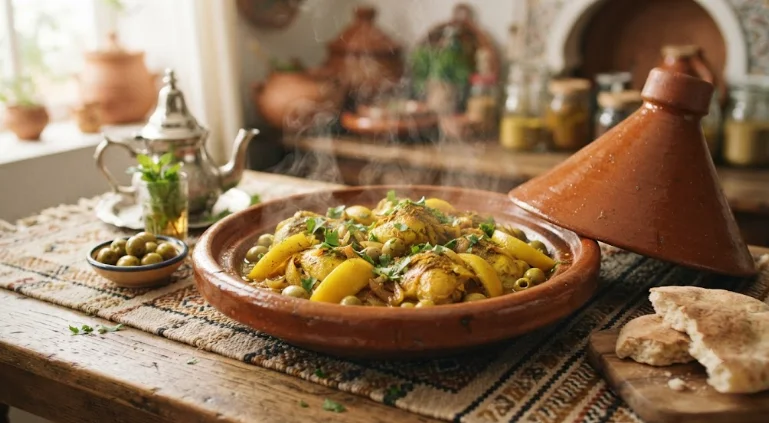
Moroccan cuisine is world-famous for its aromatic tagines, couscous, and fresh pastries. Street food is a major part of the culinary culture, but keep these tips in mind:
- High Turnover: Choose street stalls with long lines of local customers—high turnover guarantees fresh ingredients cooked at high heat.
- Cooked Dishes: Opt for thoroughly cooked, piping-hot dishes like tagines, grilled meats, and soups (Harira).
- Produce: Wash fruit purchased at markets with bottled water before eating, or stick to peelable fruits like oranges, bananas, and pomegranates.
Medical Infrastructure & Insurance
According to health guidelines from the World Health Organization (WHO), basic medical facilities are readily accessible across Morocco. Major urban centers like Casablanca, Rabat, and Marrakech feature top-tier private clinics with English- and French-speaking physicians.
- Always secure comprehensive travel medical insurance that covers medical evacuation before departing.
- Pack a basic travel first-aid kit containing rehydration salts, anti-diarrheal medication, pain relievers, and personal prescription drugs in their original packaging.
7. Border Zones and Geographical Morocco Travel Safety
While Morocco’s tourist routes are thoroughly secure, specific outlying border areas require heightened awareness regarding Morocco travel safety.
           +-----------------------------------------------------+
           |         GEOGRAPHICAL SAFETY CONSIDERATIONS          |
           +-----------------------------------------------------+
                                      |
       +------------------------------+------------------------------+
       |                                                             |
       v                                                             v
+------------------------------+              +------------------------------+
|   Western Sahara & Borders   |              |  Atlas Mountains & Desert    |
| Avoid militarized berms      |              | Stick to established guides  |
| & remote eastern borders     |              | & checked weather forecasts  |
+------------------------------+              +------------------------------+
Western Sahara
Travel to major towns in Western Sahara, such as Laayoune or Dakhla (a top international kitesurfing destination), is accessible via regular commercial flights and coastal highways. However, avoid traveling close to the militarized berm or remote desert areas east of the wall.
Algerian Border Region
The land border between Morocco and Algeria remains closed. Standard tourist destinations like the Erg Chebbi sand dunes near Merzouga are situated far from restricted zones and are fully safe to visit. Always remain on marked roads and travel with licensed desert tour operators.
8. Essential Emergency Numbers & Safety Apps for Morocco Travel Safety
Keep these emergency contact numbers saved in your mobile phone before landing in Morocco to guarantee maximum preparedness:
- Police (Urban Areas): 190
- Gendarmerie Royale (Rural & Highways): 170
- Ambulance / Fire Department: 150 or 15
- U.S. Embassy Rabat: +212 537 637 200
- UK Embassy Rabat: +212 537 633 100
Useful Apps for Safe Travel
- Google Maps / Maps.me: Download offline region maps for navigation inside winding medinas without cellular data.
- Careem / inDrive: Reliable ride-hailing applications to ensure transparent pricing for city rides.
- Google Translate: Download French and Arabic offline packages for easy translation of menus, signs, and directions.
For more details on staying connected during your trip, review our guide on [Internal Link: Buying SIM Cards and Staying Connected in Morocco].
9. Frequently Asked Questions (FAQ) Regarding Morocco Travel Safety
Is Morocco safe to visit right now?
Yes, Morocco is completely safe for tourists. Major international advisories, including the U.S. State Department and UK FCDO, rate Morocco as a stable destination alongside popular Western European countries. Furthermore, the Moroccan government maintains visible security across all tourist hubs.
Is Marrakech safe at night?
Marrakech is generally safe at night, particularly in bustling areas like Jemaa el-Fnaa, the Hivernage nightlife district, and main medina avenues. However, avoid walking alone down dark, quiet alleys late at night, and instead stick to well-lit main routes or certified taxis.
Can non-Muslims enter mosques in Morocco?
Most mosques in Morocco are closed to non-Muslim visitors to respect religious privacy. The primary exception is the magnificent Hassan II Mosque in Casablanca, which offers guided tours for non-Muslim visitors outside of prayer times.
How much should I tip in Morocco?
Tipping (Baksheesh) is an integral part of Moroccan culture. Tipping 10 to 15 Dirhams in casual eateries, rounding up taxi fares, and tipping 50 to 100 Dirhams per day for private drivers or tour guides is standard practice and greatly appreciated.
What is the emergency number in Morocco?
In urban areas, dial 190 to reach the police. For rural areas or highways, contact the Gendarmerie at 170. For medical emergencies and ambulances, dial 150.
Conclusion
Morocco remains one of the world’s most rewarding, colorful, and hospitable travel destinations. By prioritizing Morocco travel safety, understanding local customs, keeping your belongings secure in busy markets, insisting on metered taxis, and treating people with respect, you can look forward to a seamless and unforgettable adventure.