
Morocco Travel Safety: 6 Scams & How to Avoid Them
- Destinations Travel in Morocco
 Maroc Fans
- 0
- 18 minutes read

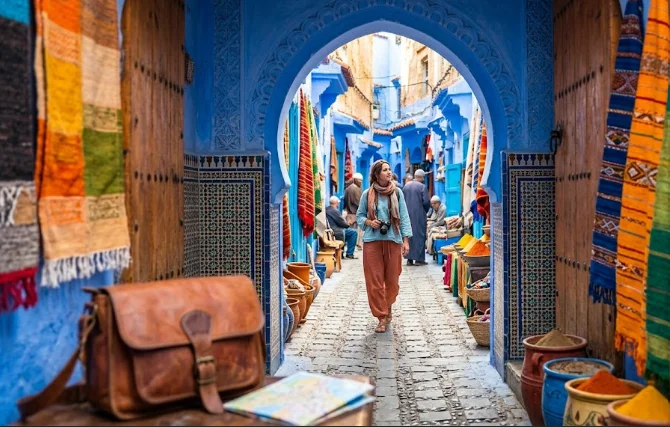
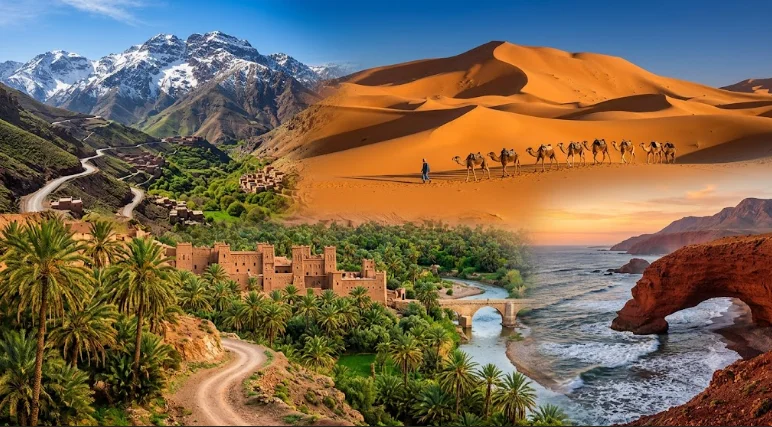
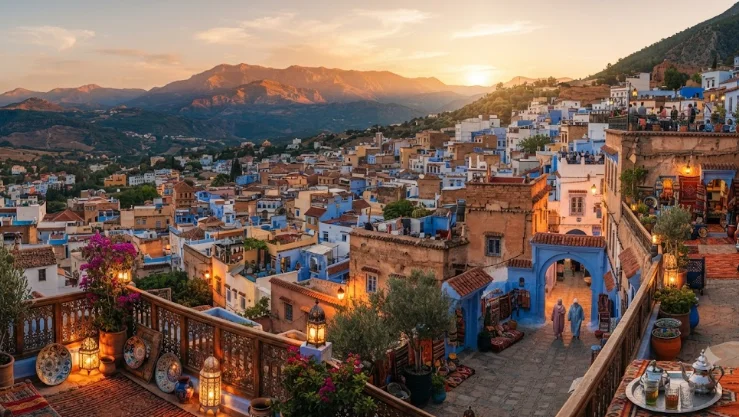
Morocco is a land of sensory wonder, but understanding Morocco travel safety is essential before booking your flight. From the maze-like alleys of the Marrakech medina and the striking blue walls of Chefchaouen to the silent expanse of the Sahara Desert, it remains a dream destination for millions of global travelers. Indeed, following a record-breaking surge of nearly 20 million international visitors, the momentum shows no signs of slowing down.
The short answer is yes, Morocco is generally very safe for tourists. In fact, it stands out as one of the most politically stable, peaceful, and welcoming countries in North Africa. However, prioritizing your Morocco travel safety requires specific local knowledge so you can easily navigate its vibrant markets and distinct cultural landscape.
Whether you are a first-time visitor, traveling with family, or venturing out alone, this comprehensive guide covers everything you need to know for a worry-free adventure.
1. Official Government Advisories on Morocco Travel Safety
Major Western governments classify Morocco as a stable destination. Therefore, they recommend standard precautions that mirror those issued for popular European hubs.
- US Department of State: Rates Morocco as Level 2: Exercise Increased Caution. When evaluating global Morocco travel safety, keep in mind that officials assign this rating due to the general threat of terrorism—the exact same safety tier that France, Spain, Germany, and the United Kingdom currently share. Moreover, the State Department highly commends Moroccan security services because they aggressively and effectively protect public areas.
- UK Foreign, Commonwealth & Development Office (FCDO): Confirms that travelers can safely visit all primary Moroccan tourist destinations—including Marrakech, Fes, Agadir, Chefchaouen, and Tangier. Consequently, authorities advise visitors to remain vigilant only in highly crowded public spaces.
- Government of Canada & Australian Smartraveller: Both agencies advise a standard high degree of caution, focusing primarily on urban petty crime rather than volatile security threats.
- Specific Border Restrictions: All major international travel advisories warn travelers against approaching the strictly closed border with Algeria and remote, heavily militarized zones within Western Sahara. However, strict military presence isolates these restricted areas entirely from standard tourist circuits.
2. Crime Realities and Morocco Travel Safety
When evaluating Morocco travel safety, you must distinguish between petty street nuisances and actual violent crime.
Petty Theft and Pickpocketing
Criminals rarely target foreign tourists with violent crime in Morocco because severe legal penalties effectively deter offenders. Instead, opportunistic petty crime poses the primary threat to your Morocco travel safety.
Pickpockets, bag-snatchers, and thieves on motorbikes operate in crowded urban spaces. For instance, high-density zones like Jemaa el-Fnaa square in Marrakech, the dense alleys of Fes El Bali, public beaches, and bustling transit stations require your extra attention.
The Tourist Police Presence
Fortunately, Morocco deploys a specialized law enforcement branch called the Brigade Touristique (Tourist Police). Operating in plainclothes and uniform across all historical medinas, these multilingual officers proactively keep travelers safe.
3. Navigating Medinas and Morocco Travel Safety Scams
For most travelers, aggressive vendors, pushy street touts, and sophisticated street scams create mental fatigue rather than physical danger. However, recognizing these behaviors beforehand transforms an overwhelming situation into an easily managed interaction.
The “Closed Street” Scam
This classic trick targets tourists who are navigating the confusing layouts of old historical centers. A polite local will approach you saying, “That street is closed today for prayer,” or “The main square is blocked, let me show you the secret way.” If you follow them, they will lead you deep into quiet alleyways. Eventually, they will demand a steep cash fee to guide you back out or pressure you into buying goods at a partner carpet shop.
The Solution: Politely but firmly say “No, thank you” (or “La, Shukran” in Arabic) and keep walking. Additionally, use offline navigation tools like Maps.me, which track tiny medina pathways much more reliably than standard maps.
Unsolicited Services and Pushy Vendors
In major squares, street performers might suddenly place a monkey on your shoulder for a photo, or henna artists might grab your hand to start a tattoo without your consent. As a result, they will aggressively demand an inflated payment.
The Solution: Maintain confident body language and keep your hands close. Specifically, if someone approaches forcefully, make direct eye contact, use a firm tone, and say no immediately.
Unmetered Taxis
Local Petit Taxi drivers occasionally try to overcharge tourists by claiming their meters are broken or quoting a high flat rate.
The Solution: Always insist that the driver activates the meter (“Compteur”) before you step into the vehicle. If the driver refuses, simply step out and hail the next cab to secure your finances.
4. Solo Female Travel Safety in Morocco
Is Morocco safe for solo female travelers? Yes, thousands of women travel independently through the country every year with great success. However, optimizing your personal Morocco travel safety requires a thick skin and clear personal boundaries.
Street harassment and catcalling represent the most widespread issue for women. Although local men restrict this behavior almost exclusively to verbal comments or intense staring, it can feel relentless in tourist-heavy zones.
Top Safety Tips for Independent Female Travelers:
- Dress Culturally Respectfully: Morocco remains a conservative society. While local laws do not require you to cover your head, wearing clothes that cover your shoulders and knees drastically cuts down on unwanted street attention. For example, loose, lightweight linens work exceptionally well.
- Project Pure Confidence: Walk like you know your exact destination, even if you feel completely lost. Looking confused or staring continuously at your phone makes you a visible target for local scam artists.
- Do Not Hesitate to Say No: You owe no obligation to strangers who cross your comfort lines. Therefore, a cold, direct “No” followed by complete silence serves as your best defense tool.
- Choose Trusted Accommodations: Stay in reputable, highly rated Riads (traditional guesthouses) that feature 24/7 reception desks. Furthermore, Riad hosts fiercely protect their guests and will gladly organize verified, trusted drivers for your arrivals.
5. Health, Food, and Environmental Morocco Travel Safety
True travel safety involves taking care of your physical health just as much as securing your wallet.
Water Safety
Do not drink tap water in Morocco. Although water treatment facilities manage urban supplies in Casablanca or Rabat, local bacterial strains can easily upset a traveler’s stomach. Instead, drink exclusively sealed bottled water because shopkeepers sell it cheaply everywhere. Use bottled water when you brush your teeth as well, and also decline ice cubes in casual street cafes.
Food Hygiene
Moroccan culinary experiences offer an unforgettable highlight. To enjoy street food safely, simply follow the crowds. For instance, choose food stalls that attract long lines of local Moroccan families because high customer turnover ensures cooks grill fresh ingredients thoroughly right in front of you.
6. Daily Checklist for Morocco Travel Safety
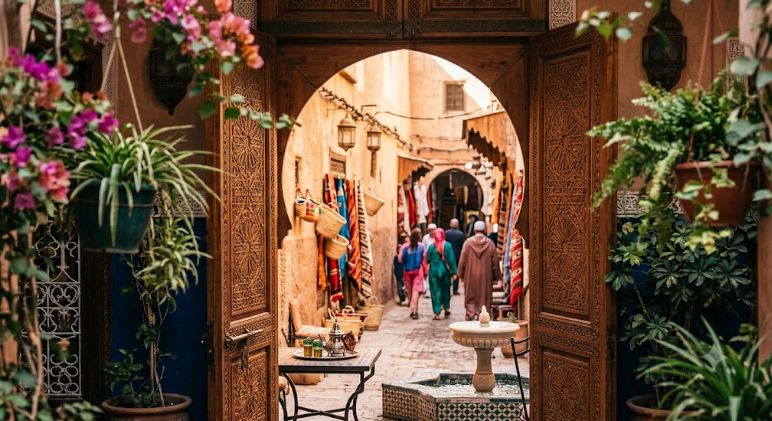
To optimize your daily Morocco travel safety routine, build these simple expert habits into your itinerary:
| Step | Timing | Action |
| 1. Secure Variables | Before leaving your room | Lock your physical passport, main credit cards, and backup cash inside your hotel or Riad safe. Instead, carry only the daily cash you need and a digital copy of your ID on your phone. |
| 2. Dress and Pack Smart | Daily morning prep | Choose clothing that covers your shoulders and knees. Additionally, place your phone and wallet in a secure, zippered cross-body bag across your chest—never in a loose back pocket. |
| 3. Navigate Mindfully | While exploring the city | Download your offline city maps before heading out. If you need to check your orientation, step inside a local cafe or shop to review your phone rather than stopping in the middle of a busy street. |
| 4. Transition After Dark | Evening protocol | When night falls, stick to well-lit main avenues. Avoid walking through quiet, empty medina side-alleys alone after shopkeepers close their stores; instead, hail a licensed taxi to return to your Riad. |
Morocco Travel Safety FAQ
Q1: Is Marrakech safe after the 2023 earthquake?
Yes, workers have fully restored Marrakech, and the city operates normally. In fact, the catastrophic damage from the late 2023 earthquake hit remote, rural mountain villages within the Al Haouz province, leaving main urban tourist zones intact.
Q2: Is it safe to go on a Sahara Desert tour?
Yes, authorities keep the Moroccan Sahara remarkably secure. Local police strictly monitor the vast desert tour networks operating out of Merzouga or M’Hamid. However, you should still book your tour through an established agency with verified reviews.
Q3: Can I hike alone in the Atlas Mountains?
Experts strongly advise against hiking solo in the High Atlas regions. Therefore, to protect your Morocco travel safety, you should always hire a licensed mountain guide through a registered agency when tackling remote trails or climbing Mount Toubkal.
Q4: Are credit cards safe to use at local ATMs?
Major hotels, supermarkets, and upscale restaurants accept credit cards safely. However, Morocco relies heavily on cash transactions. When withdrawing money, use ATMs located physically inside a bank branch so you avoid card-cloning devices on isolated street machines.
Q5: Is English widely spoken throughout Morocco?
While Moroccans speak Darija (Arabic) and Berber natively, and administrators use French, staff at hotels, restaurants, tour agencies, and shops speak English fluently across all major tourist destinations.
Q6: What should I do if I feel unsafe?
If anyone threatens or heavily harasses you, raise your voice and clearly say “Inal Shaitan” (Condemn the devil) or loudly call for the “Police”. Since medinas form tight-knit communities, local shopkeepers will instantly step in to reprimand anyone who bothers a tourist.
Awareness Leads to Adventure
When it comes to Morocco travel safety, real-world data and traveler experiences speak for themselves. Ultimately, Morocco remains a peaceful, culturally rich destination that treats international guests with legendary hospitality. By keeping your wits about you in crowded souks, respecting regional dress codes, and practicing basic urban awareness, you will fill your Moroccan journey with incredible memories rather than safety concerns.