



Moroccan Harira: Secrets of the Perfect Soup
- Moroccan cuisine Moroccan Culture Morocco Guide Travel in Morocco
 Maroc Fans
- 1
- 22 minutes read

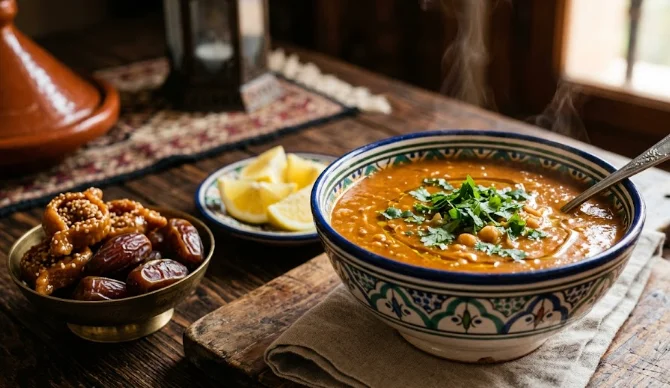
If Morocco had a national aroma, it would undoubtedly be the rich, spiced scent of Moroccan harira simmering on a stovetop. More than just a soup, harira is a cultural institution, a comforting ritual, and a culinary masterpiece all rolled into one deep bowl. Consequently, travelers visiting Marrakech, Fes, or Casablanca often find themselves captivated by this velvety, tomato-based soup, packed with pulses, fresh herbs, and warming spices.
Whether you are looking to recreate a memory from your travels or wanting to introduce a healthy, hearty dish to your weekly dinner rotation, mastering the art of Moroccan harira is a must. Therefore, in this ultimate guide, we will dive deep into the history of this traditional dish, explore its essential ingredients, provide a foolproof step-by-step recipe, and share expert tips to help you achieve that authentic flavor right in your own kitchen.
The Cultural Significance of Moroccan Harira
To truly appreciate Moroccan harira, one must understand its place in Moroccan society. While it is enjoyed year-round, harira holds a sacred place during the holy month of Ramadan.
As the sun sets and the adhan (call to prayer) echoes across the rooftops, families gather around the table for Iftar—the meal to break the fast. Alongside sweet, sesame-coated chebakia pastries, succulent dates, and hard-boiled eggs, a steaming bowl of harira is always the star of the show. Indeed, the combination of complex carbohydrates, proteins, and hydrating broth makes it the perfect, nourishing transition for the stomach after a long day of fasting.
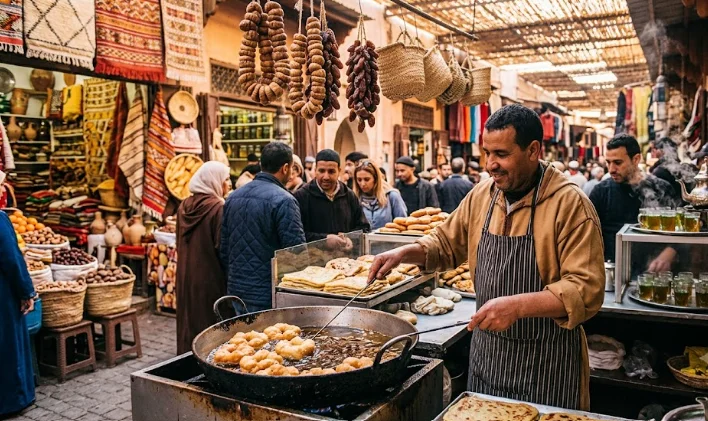
However, its reach extends far beyond Ramadan. For instance, walk through any Moroccan medina on a cool winter evening, and you will see locals huddled around street food stalls, cradling bowls of harira to keep warm. Furthermore, it is a staple at celebrations, weddings, and a welcoming dish offered to honored guests.
Anatomy of an Authentic Moroccan Harira Soup
What gives Moroccan harira its unique, unforgettable character? It is the brilliant interplay of textures and layers of flavor. Specifically, a traditional harira balances the acidity of tomatoes, the earthiness of legumes, the freshness of green herbs, and the subtle heat of North African spices, all bound together by a velvety, smooth texture.
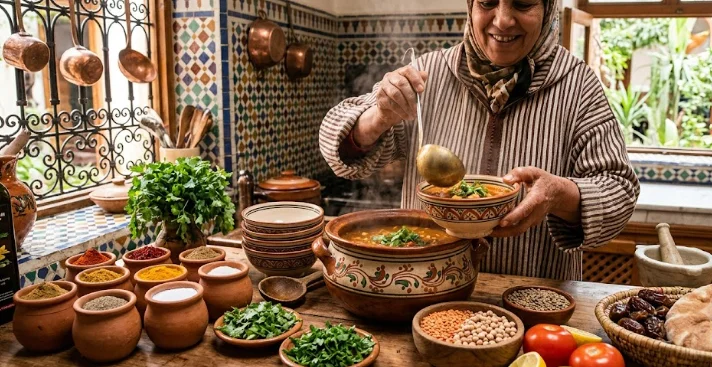
Here is a breakdown of the key components that define an authentic harira:
1. The Aromatic Base and Spices
The backbone of the soup relies heavily on a trio of fresh elements: celery, parsley, and cilantro. Unlike Western soups where herbs are a garnish, in harira, they are treated as a main vegetable component, finely chopped and used in abundance. In addition, the spice profile is warm and comforting, typically featuring:
- Ginger: For a subtle, sharp kick.
- Turmeric: For earthiness and a gorgeous golden undertone.
- Cinnamon: A crucial element that provides a sweet, exotic aroma characteristic of Moroccan savory dishes.
- Black or White Pepper: For a gentle, lingering heat.
- Saffron (optional): For an extra touch of luxurious depth.
2. The Pulses and Protein
Harira is inherently hearty thanks to the inclusion of chickpeas and brown lentils. Traditionally, the chickpeas are soaked overnight and peeled (skinned) to ensure a perfectly smooth texture, though many modern cooks skip the peeling step to save time.
Regarding the protein, small cubes of tender beef, lamb, or chicken are gently browned at the beginning of the cooking process. Moreover, bone-in cuts are often used to give the broth a richer, deeper flavor structure. For a lighter or budget-friendly version, the meat can be omitted entirely without sacrificing the soup’s soul.
3. The Tomato Body
A large quantity of fresh, grated tomatoes combined with high-quality tomato paste gives harira its vibrant red hue and distinct, tangy flavor profile. Consequently, the acidity of the tomatoes cuts through the richness of the meat and pulses beautifully.
4. “Tadouira” – The Velvety Thickener
The defining characteristic of Moroccan harira is its silky, velvety texture. This is achieved through a technique called tadouira (which translates to “turn” or “circulation”). Near the end of the cooking process, a smooth slurry of flour and water is slowly whisked into the boiling soup. As a result, this creates a glossy, thick consistency that coats the back of a spoon.
5. The Finale: Vermicelli and Lemon
Just as the soup finishes thickening, a handful of fine vermicelli noodles (or broken angel hair pasta) is stirred in, cooking quickly in the residual heat. Finally, a generous squeeze of fresh lemon juice is added right before serving, instantly brightening all the rich, deep flavors.
Step-by-Step Authentic Moroccan Harira Recipe
Now that you understand the anatomy of the dish, let’s bring the flavors of Morocco into your kitchen. This recipe yields a generous pot, perfect for feeding a family or saving for delicious leftovers.
- Prep time: 30 minutes (plus overnight soaking for chickpeas)
- Cook time: 1 hour 15 minutes
- Total time: 1 hour 45 minutes
- Servings: 6 to 8
Ingredients
For the Soup Base:
- 250g (approx. 1/2 lb) lamb or beef, cut into very small cubes
- 1 large yellow onion, finely grated or pureed
- 1 cup canned or dry chickpeas (soaked overnight and peeled)
- 1/2 cup brown or green lentils (rinsed)
- 1 cup fresh celery (stalks and leaves), finely chopped
- 1/2 cup fresh flat-leaf parsley, finely chopped
- 1/2 cup fresh cilantro, finely chopped
- 1 kg (approx. 2 lbs) ripe tomatoes, blended and strained (or 1 can of crushed tomatoes)
- 3 tablespoons tomato paste
- 2 tablespoons olive oil or vegetable oil
- 1 tablespoon Smen (Moroccan preserved smen/clarified butter – optional, but authentic)
- 1 teaspoon ground ginger
- 1 teaspoon ground turmeric
- 1/2 teaspoon ground cinnamon
- 1 1/2 teaspoons salt (adjust to taste)
- 1/2 teaspoon black pepper
- approx. 2 liters (8-9 cups) of water
For the Tadouira (Thickener) & Finish:
- 1/2 cup all-purpose flour
- 1 cup water
- 1/2 cup fine vermicelli noodles
- Fresh lemon wedges (for serving)
Cooking Instructions
Step 1: Sauté the Aromatics and Meat
In a large, heavy-bottomed soup pot or a pressure cooker, heat the olive oil and smen (if using) over medium heat. Next, add the finely cubed meat and pureed onion. Sauté for about 5 minutes until the meat is browned on all sides and the onions are translucent.
Step 2: Add Herbs, Spices, and Pulses
Stir in the finely chopped celery, parsley, and cilantro. Afterwards, add the ginger, turmeric, cinnamon, salt, and black pepper. Stir well for 2 minutes to let the spices toast and release their essential oils. Finally, add the soaked chickpeas and rinsed lentils to the pot.
Step 3: The Tomato and Simmer Stage
Pour in the blended fresh tomatoes and the tomato paste. Then, stir everything together until well combined. Pour in 2 liters of water. Next, bring the mixture to a boil, reduce the heat to low, cover the pot, and let it simmer gently for about 50 to 60 minutes. (If using a pressure cooker, close the lid and cook for 30 minutes once it reaches pressure). Ultimately, the soup base is ready when both the meat and the chickpeas are completely tender.
Step 4: Prepare and Add the Tadouira
While the soup is simmering, prepare your thickener. To do this, vigorously whisk together the 1/2 cup of flour and 1 cup of water in a bowl until completely smooth with no lumps. Once the chickpeas are tender, bring the soup back to a gentle boil. Gradually, pour the flour slurry into the soup in a slow, steady stream while stirring continuously with a wooden spoon. This prevents lumps from forming. Thereafter, reduce heat to medium-low and let the soup simmer for 10 minutes, stirring occasionally. Consequently, you will notice the soup transforming into a beautifully velvety, glossy texture.
Step 5: The Final Touches
Stir in the vermicelli noodles. Then, let them cook in the simmering soup for about 5 to 7 minutes until tender. Taste the broth and adjust the salt and pepper according to your preference. Lastly, turn off the heat.
Step 6: Serve the Moroccan Way
Ladle the steaming Moroccan harira into traditional bowls. In addition, serve hot alongside fresh lemon wedges, high-quality dates, and crusty bread. Importantly, encourage everyone to squeeze a bit of fresh lemon juice directly into their bowl before eating!
Pro Tips for the Best Moroccan Harira
To elevate your harira from good to spectacular, keep these culinary secrets in mind:
- Don’t Skimp on the Herbs: The cilantro, parsley, and celery are not mere accents; instead, they provide the fresh, green flavor profile that balances the heavy pulses.
- The Secret of Smen: Moroccan smen is a pungent, aged clarified butter. In fact, just half a teaspoon adds an incomparable, authentic background depth that defines true Moroccan home cooking. If you cannot find it, a touch of ghee or regular butter can suffice, though the flavor profile will differ slightly.
- Consistency Control: If your soup feels too thick after adding the flour mixture, simply stir in a splash of boiling water to thin it out to your liking. Conversely, if it’s too thin, let it simmer a bit longer or add a touch more slurry.
- Make it Ahead: Like many stews and soups, harira tastes even better the next day. This is because the flavors have had a proper chance to meld together in the refrigerator.
Beyond Moroccan Harira: Exploring More Culinary Treasures
Moroccan harira is just the beginning of a vast, colorful culinary landscape. If you enjoy the warm spice blends and rich textures of this soup, you will absolutely love exploring other classic dishes.
For your next kitchen adventure, dive into the sweet and savory layers of a traditional chicken pastilla, or master the slow-cooked perfection of a lamb tagine with prunes. In addition, don’t forget to wash it all down with a properly brewed cup of Moroccan mint tea to complete the authentic cultural experience!
Frequently Asked Questions (FAQ) About Moroccan Harira
1. Is Moroccan harira vegetarian or vegan-friendly?
Traditional harira often contains small bits of lamb or beef. However, it is incredibly easy to make a vegetarian or vegan version! Simply omit the meat and the smen (using olive oil instead). Because the soup relies heavily on chickpeas, lentils, and rich spices, the vegetarian version remains incredibly filling, flavorful, and protein-rich.
2. Can I freeze Moroccan harira for later?
Yes, you can freeze harira, but with one important caveat. Specifically, it is best to freeze it before adding the tadouira (flour thickener) and the vermicelli noodles. Thaw the soup base, bring it to a boil, and then add your flour mixture and vermicelli fresh. If you freeze fully completed harira, the noodles and flour texture can become somewhat mushy upon thawing.
3. What can I use as a gluten-free substitute for the thickener?
If you are gluten-intolerant, you can easily substitute the all-purpose flour slurry with a cornstarch slurry (cornstarch mixed with cold water) or use rice flour. Alternatively, you can puree a portion of the cooked chickpeas and vegetables and stir them back into the soup to naturally thicken the broth. Replace the vermicelli with gluten-free noodles or rice.
4. Why is my harira sticking to the bottom of the pot?
Once you add the flour slurry (tadouira), the soup becomes much thicker. Consequently, the flour can settle to the bottom of the pot and scorch if left unattended. Make sure to lower your heat to medium-low and stir the pot frequently with a wooden spoon after adding the thickener.
5. Can I use canned chickpeas instead of dry ones?
Yes, canned chickpeas work perfectly as a time-saving alternative. Since canned chickpeas are already cooked, add them to the pot later in the process—around the same time you add the tomatoes—so they don’t become overly mushy during the long simmer.
6. Where can I buy Smen, and what does it taste like?
Smen can be found at Middle Eastern, North African, or international grocery markets. Characteristically, it has a unique, pungent, cheesy, and deeply savory aroma. A little goes a long way! If you cannot find it locally, it can easily be omitted or substituted with a bit of high-quality ghee.



1 Comment
[…] warm with honey, butter, jam or a savoury filling. For another Moroccan favourite, see our harira soup recipe. Once cooled, refrigerate msemen in a covered container and reheat briefly in a skillet. You can […]