

Marrakech riad cooking class: How to try the Best Experience

Marrakech has a way of turning everyday moments into memories—especially when you step inside a traditional riad kitchen. Booking a Marrakech riad cooking class centered on Moroccan cuisine isn’t just about learning recipes. It’s about understanding ingredients, timing, and the small rituals that shape flavor across the medina. Consequently, you will experience the local culture from the inside out.
One dish in particular tells the story of Morocco: the tajine. From preserved lemons to slow-cooked meats and fragrant spice blends, you’ll discover why this earthenware staple is the heart of Moroccan home cooking. Therefore, here’s how to choose a great riad experience and get the most out of your hands-on session.
Why Learn Tajine in a Marrakech Riad Cooking Class?
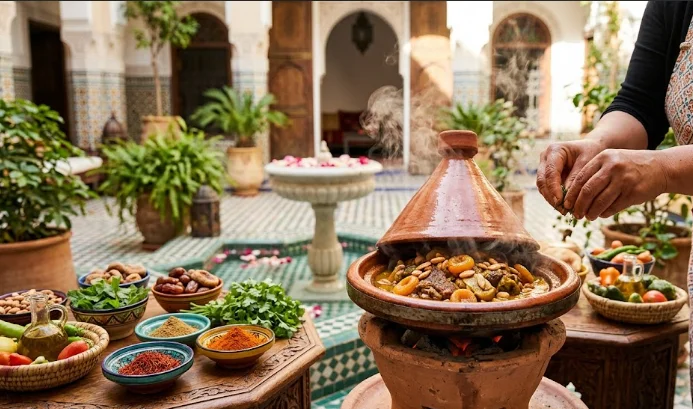
Riad cooking classes offer something you won’t get in a hotel restaurant or a generic cooking demo. Many riads are centuries-old, with courtyards designed for quiet mornings and evening meals. The setting matters because Moroccan cooking is relational—between people, aromas, and the pace of the day.
Most experiences begin with a market-style introduction to ingredients, then move into a kitchen where you’ll work alongside your instructor. Ultimately, during your Marrakech riad cooking class, expect to learn not just what to cook, but how to balance flavors and textures.
- Authentic setting: stone courtyards, traditional tagine pots, and Moroccan utensils.
- Skill-based learning: seasoning technique, chopping, layering, and simmering.
- Better context: you’ll hear the “why” behind common ingredients like cumin, ras el hanout, and saffron.
What to Look for in the Best Marrakech Riad Cooking Class
Not every culinary workshop feels the same. Some focus on quick plating for photos, while others prioritize real instruction. Since Marrakech has plenty of options, use this checklist to identify a Marrakech riad cooking class that will feel worthwhile on day one.
Choose a Marrakech riad cooking class with guided technique
A top riad experience will include step-by-step guidance. You should be chopping, mixing, seasoning, and building the tajine yourself (even if some parts are prepared in advance for timing). Specifically, watch for classes that explain:
- How to brown onions and develop base flavor
- When to add spices for aroma vs. depth
- How to layer ingredients so they cook evenly
- How to judge doneness without guesswork
Ask which tajine styles you’ll cook in your Marrakech riad cooking class
Marrakech riads often rotate menus based on season and market finds. Many visitors expect chicken or lamb tajine, but the best classes also introduce variety—vegetable tajines, kefta-inspired versions, or sweet-and-savory combos.
As a good sign, your instructor can offer options or explain the differences. For example, a classic chicken preserved lemon tajine tastes sharper and brighter than a prunes-and-almond style, which feels warmer and more dessert-adjacent.
Look for market experience when booking a Marrakech riad cooking class
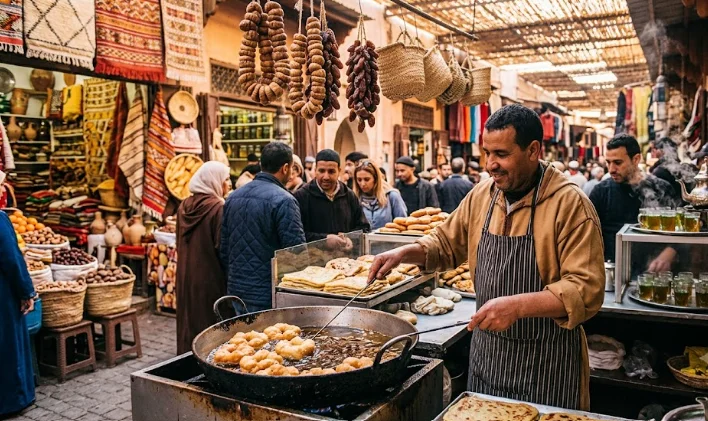
Some of the most memorable classes begin with a short introduction to spices and fresh produce. Even a brief visit to a nearby market area can help you understand Morocco’s flavor logic: preserved items for depth, fresh herbs for lift, and spices for warmth.
If you can, prioritize a Marrakech riad cooking class that highlights ingredient provenance—especially olive oil, dried fruits, and the spice blends sellers grind to order.
Insider Tips for Your Marrakech Riad Cooking Class
The medina can be a sensory maze. A well-run riad class makes the experience smooth, comfortable, and respectful of local rhythms. Timing also matters: Marrakech cooking often aligns with morning market activity and afternoon readiness.
Go for smaller groups in your Marrakech riad cooking class
With a smaller class size, you’ll spend more time at the counter and ask better questions. Cooking tajine isn’t just hands-on—it’s about timing, so you’ll want your instructor close by. On the other hand, if you see very large group logistics, you may get less individual attention.
Pick a class time that matches your energy
For many travelers, morning works best in Marrakech. The air can be cooler, and you may arrive with less pressure to rush. Afternoon sessions are great too—just confirm the schedule, especially if you want time for other medina activities.
Pro tip: plan your class after a light walking morning. You’ll enjoy the aromas more, and your kitchen focus won’t be split by fatigue.
Dress smart for hands-on cooking
Choose comfortable clothing that can handle kitchen movement. Moroccan cooking involves chopping, spices, and steam. A simple apron (often provided) can help, but wear layers you don’t mind smelling lightly afterward. In addition, bring a small container for tasting notes if you’re the type who likes to recreate recipes later at home.
Step-by-Step: What You’ll Learn in a Marrakech Riad Cooking Class
While each riad has its own approach, the structure is usually consistent. You’ll go from ingredients to seasoning to slow-cooking, with tastings along the way.
1) Prep: chopping, aromatics, and spice blending
You’ll start by preparing onions, herbs, and aromatics. In Marrakech kitchens, onions aren’t just a base—they’re a flavor foundation. Then come spices like cumin and paprika, followed by the signature Moroccan blends. Often, instructors will teach you how to “build” flavor rather than dump spice. The goal is to bloom aroma without burning.
2) Layering: making the tajine cook evenly
Tajines rely on smart layering. Ingredients placed correctly cook harmoniously inside the pot, producing tender meat or vegetables and a sauce with deep character. Expect to learn:
- How to arrange ingredients to prevent dryness
- How to incorporate preserved lemon, olives, or dried fruit
- How much liquid to add for a balanced sauce
3) Simmering: learning the pace of Moroccan cooking
Unlike fast-stove meals, tajine cooking emphasizes patience. You’ll understand how low heat transforms ingredients over time, turning spices fragrant and softening textures. Your instructor may demonstrate what “right” looks like—gentle bubbles, steady steam, and sauce that clings slightly to ingredients.
4) Finishing touches in a Marrakech riad cooking class
The final flavor boost often comes from fresh herbs, a squeeze of citrus, or a pinch of seasoning. You’ll likely taste multiple stages so you can compare how flavors evolve. Indeed, finishing touches matter. A tajine served too early can taste flat; one served at the right moment feels rounded and complete.
Popular Tajine Choices in a Marrakech Riad Cooking Class
When you book your Marrakech riad cooking class, you may see several tajine styles. Here’s a practical guide to what each tends to deliver.
- Chicken with preserved lemon and olives: bright, savory, and aromatic; great for first-timers.
- Lamb or beef with prunes and almonds: warm, sweet-savory depth with a rich finish.
- Vegetable tajine (seasonal): lighter, herb-forward flavor that shows Morocco’s produce.
- Spiced kefta tajine: fragrant and comforting, with robust seasoning and juicy texture.
If you’re unsure, ask the instructor what is freshest that day. The best class menus often reflect what the market delivered in the morning.
Replicating Your Marrakech Riad Cooking Class Skills at Home
You’ll leave with recipes, but Moroccan flavor comes from technique. The easiest way to keep results consistent is to focus on a few repeatable principles.
First, write down your spice “feel,” not only the measurements. Different brands and spice freshness vary. Instead of relying solely on grams, note how the mixture smells when blooming—earthy, toasted, and fragrant rather than sharp or burnt.
Second, respect simmer time. Tajine sauces develop through time. If your sauce looks thin, don’t rush to thicken with high heat. Keep cooking until the flavors concentrate naturally.
Finally, use a finishing herb and a preserved element. If your tajine includes preserved lemon, olives, or similar ingredients, don’t substitute too aggressively. For freshness, keep parsley and cilantro (or mint, depending on the dish) as your final flavor layer.
Final Thoughts: A Marrakech Riad Cooking Class You’ll Remember
A Marrakech riad cooking class is more than a ticketed activity—it’s a cultural pause inside the medina. When you learn tajine in a hands-on way, you gain a foundation for Moroccan cooking that goes far beyond one meal.
Choose a workshop that teaches technique, supports small groups, and introduces real ingredients. Then arrive curious, take notes on taste and timing, and savor the slow warmth of Moroccan kitchens. Your next tajine at home will feel less like a recipe and more like a story you learned by living it.
FAQ: Selecting the Best Marrakech Riad Cooking Class
How long does a typical Marrakech riad cooking class last?
Most classes last between 3 to 5 hours. Furthermore, this timeframe usually includes the time spent shopping for fresh ingredients at the local market, the hands-on preparation in the kitchen, and finally, enjoying the multi-course meal you prepared.
Are cooking classes in Marrakech suitable for vegetarians or vegans?
Yes, absolutely. Moroccan cuisine features a wide variety of rich, vegetable-based dishes. Consequently, most riads are very accommodating to dietary restrictions, though it is always recommended to inform your instructor when booking.
Do I need prior cooking experience to join a riad workshop?
Not at all. Whether you are a complete beginner or an experienced home cook, the instructors guide you step-by-step. However, they tailor the session to your specific skill level so you can easily replicate the recipes back in your own kitchen.