

Moroccan Zellige Tile: Ultimate Guide to Luxury Home Decor
- Moroccan Crafts Pottery & Zellige
 Maroc Fans
- 0
- 20 minutes read

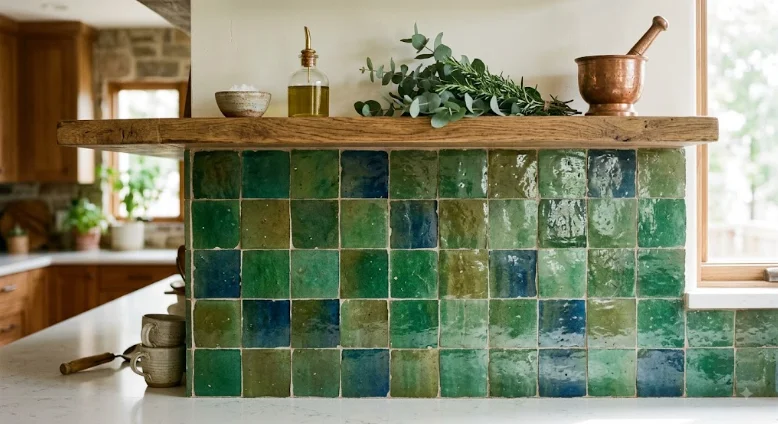
Moroccan zellige tile stands as a timeless art form that bridges ancient craftsmanship and modern interior design. Renowned craftsmen shape this hand-glazed terracotta tile because it brings rich texture, irregular surfaces, and captivating color variation to luxury interiors. Whether you are remodeling a kitchen backsplash or designing a spa-inspired bathroom, understanding authentic Moroccan Zellige Tile helps you make informed choices.
1. What is Moroccan Zellige Tile? History and Craftsmanship
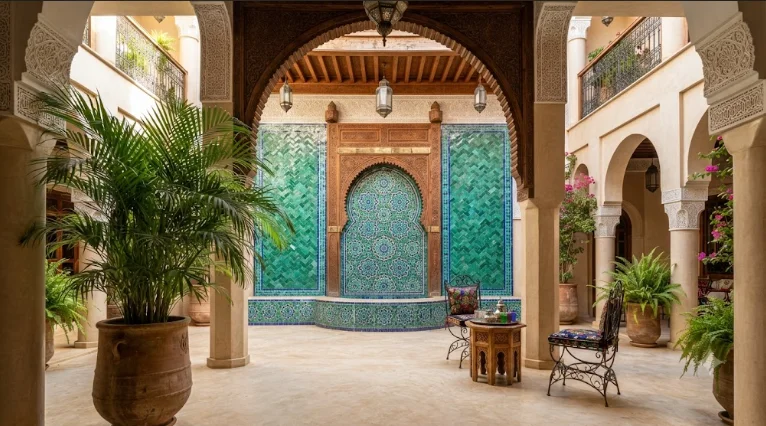
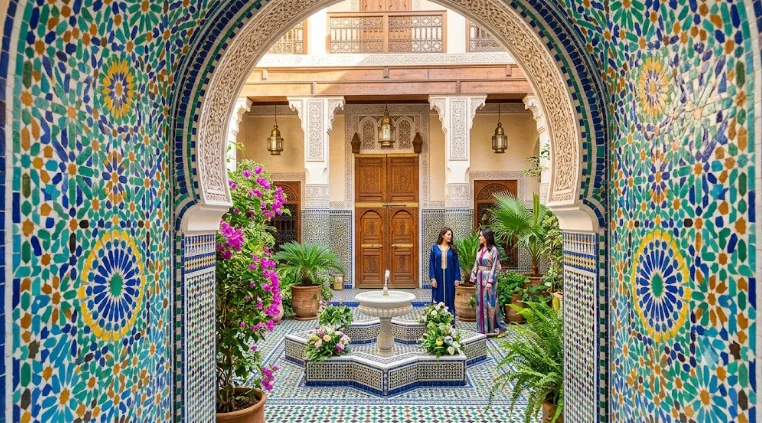
Authentic Moroccan Zellige Tile originates from Fez and Marrakech. Artisans started crafting this traditional tilework in the 10th century, and it quickly became a hallmark of Moorish architecture. Palaces, fountains, mosques, and riads across North Africa showcase this heritage.
The Artisan Production Process
Genuine zellige differs drastically from mass-produced ceramics because craftsmen follow a strict, centuries-old workflow:
- Natural Clay Extraction: Workers excavate unrefined gray clay exclusively from natural beds around Fez. Consequently, this mineral-rich clay provides raw structural strength.
- Hand-Shaping and Sun-Drying: Artisans mix the clay with water, hand-knead it, shape it into square slabs, and leave it to dry under the sun.
- First Firing and Glaze Application: Raw tiles undergo initial kiln firing. Furthermore, makers hand-apply liquid glass glazes composed of metallic oxides.
- Olive-Pit Kiln Firing: Workers fire glazed tiles a second time in traditional wood- or olive-pit-burning kilns. Because heat distribution remains uneven, every Moroccan Zellige Tile develops distinct tonal variations.
- Hand-Chiseling: Craftsmen cut and bevel edges using a sharp hammer called a manqarch, creating tapered sides for ultra-thin grout lines.
2. Key Characteristics of Authentic Moroccan Zellige Tile
When selecting tiles for your home renovation project, distinguishing genuine handcrafted zellige from factory imitations is vital.
| Characteristic | Authentic Moroccan Zellige Tile | Machine-Made Imitation Tile |
| Manufacturing Method | 100% Hand-shaped, hand-glazed, hand-cut | Industrial automated pressing and printing |
| Surface Texture | Uneven, wavy, organic undulations with micro-crazing | Completely flat, smooth, uniform glaze |
| Color Depth | High tonal variation (shading) within the same batch | Identical, computer-matched tone across all pieces |
| Edges | Hand-beveled (chiselled), allowing ultra-narrow joints | Straight, machine-cut, or standard pressed edges |
| Grout Joint Width | Extremely thin (1 mm to 1.5 mm recommended) | Standard (2 mm to 4 mm or wider) |
| Uniqueness | Every single tile is unique in texture and color | Repeated printed patterns every few tiles |
| Aesthetic Impact | Dynamic light reflection, artisanal depth, tactile charm | Uniform, flat finish; lower tactile dimension |
3. The Color Palette: Traditional Hues and Modern Interior Trends
The color depth of every Moroccan Zellige Tile remains unmatched due to metallic mineral glazes interacting with open flames. Depending on your design concept, you can opt for classic heritage shades or contemporary monochrome palettes.
+—————————————————————–+
| ZELLIGE COLOR PALETTES |
+———————————–+—————————–+
| TRADITIONAL HERITAGE HUES | MODERN & NEUTRAL TONES |
| • Majorelle Cobalt Blue | • Snow White & Pure Cream |
| • Emerald & Forest Green | • Warm Beige & Sand |
| • Saffron Yellow & Terracotta | • Charcoal & Ink Black |
| • Ochre & Olive Green | • Blush Pink & Terracotta |
+———————————–+—————————–+
Classic Heritage Shades
- Majorelle Blue & Cobalt: Deep, vibrant blues inspired by traditional Moroccan palaces. For example, designers use them for statement accent walls and shower niches.
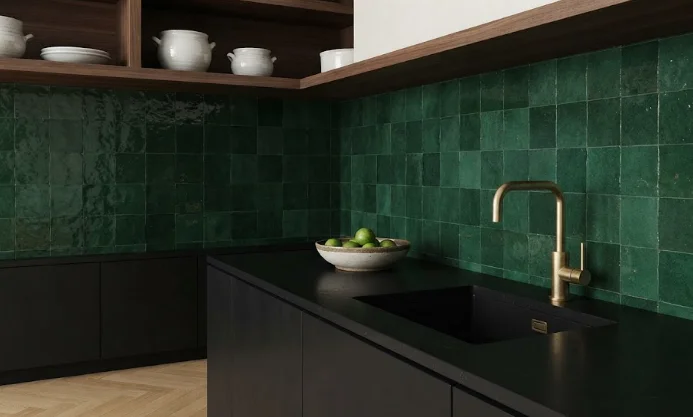
- Emerald & Forest Green: Rich green shades made with copper oxides. Consequently, these tones evoke nature and pair exceptionally well with warm brass hardware.
- Saffron Yellow & Amber Ochre: Warm, sun-drenched tones that bring energy to kitchen backsplashes.
Contemporary Neutral Palettes
- Natural White & Off-White: The most popular choice for Scandinavian and Japandi interiors. Variations range from pearl white to soft ivory.
- Terracotta & Natural Clay (Bejmat): Unglazed rectangular tiles offer grounded, organic warmth ideal for flooring and patios.
- Charcoal, Graphite & Black: High-contrast tiles that create drama and depth in modern powder rooms.
4. Best Applications: Where to Use Moroccan Zellige Tile in Your Home
Because every Moroccan Zellige Tile features durable fired clay, it suits a wide range of wall and low-traffic floor applications.
       [ Kitchen Backsplash ]        [ Bathroom Walls & Shower ]
                  \                          /
                   +------------------------+
                   |  ZELLIGE APPLICATIONS  |
                   +------------------------+
                  /                          \
         [ Fireplace Surrounds ]      [ Outdoor Patios & Pools ]
Kitchen Backsplash & Island Bases
Installing a Moroccan Zellige Tile backsplash instantly elevates a kitchen. The irregular surface catches natural daytime light, breaking up the monotonicity of flat cabinetry. Pair gloss-finish white zellige with natural wood cabinets for a balanced texture mix.
For step-by-step layout inspiration, check out our article on Moroccan Zellige kitchen: Secrets to the Perfect Reno.
Bathroom Walls, Showers, and Powder Rooms
Zellige offers strong water resistance when properly installed. Therefore, homeowners choose it as a wall covering for walk-in showers and bathtub surrounds. The light-reflecting glaze amplifies ambient lighting to create an airy, spa-like atmosphere.
Fireplace Surrounds and Architectural Arches
The heat resistance of fired terracotta makes a Moroccan Zellige Tile surface ideal for fireplace surrounds and doorway arches. A floor-to-ceiling dark green zellige fireplace creates an arresting architectural focal point.
Outdoor Living: Patio Walls, Fountains, and Pools
In warm climates, zellige appears frequently outdoors. From courtyard garden walls to swimming pool waterline borders, the tiles withstand sun exposure without fading.
5. Tile Formats and Sizes of Moroccan Zellige Tile
Zellige comes in several traditional shapes and pre-assembled tile mosaics:
- Square Zellige (10×10 cm / 4×4 inches): The universal classic for backsplashes and bathroom walls.
- Bejmat (5×15 cm / 2×6 inches): Thicker, rectangular terracotta tiles used for herringbone wall patterns.
- Hexagon & Octagon Formats: Geometric shapes used for intricate feature walls.
- Custom Mosaic Panels: Hand-cut mosaic pieces assembled face-down on sheets for complex architectural installations.
6. Installation Guide: Crucial Steps for a Flawless Finish
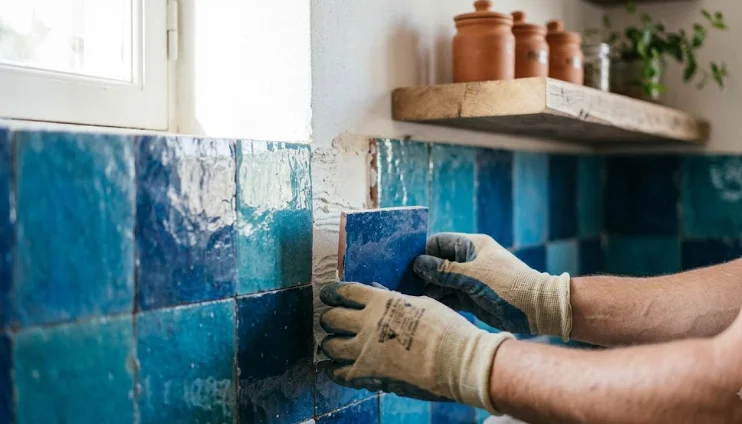
Installing a Moroccan Zellige Tile layout requires a specialized approach compared to standard ceramic or porcelain tile. Because the tiles vary in thickness, hiring an experienced tile installer is strongly recommended.
+—————————————————————–+
| ZELLIGE INSTALLATION STEPS |
+—————————————————————–+
| 1. DRY-LAY & BLEND –> Mix tiles from multiple boxes |
| 2. SUBSTRATE PREP –> Ensure smooth, waterproofed background |
| 3. ADHESIVE APPLY –> Use white flexible thin-set mortar |
| 4. THIN-JOINT SET –> Lay with tight 1mm to 1.5mm joints |
| 5. GROUTING –> Apply flexible cementitious grout |
| 6. SEALING –> Seal unglazed areas or porous glazes |
+—————————————————————–+
Step 1: Dry-Laying and Blending (The Dry Blend)
Never install zellige straight out of a single box. Instead, open 3 to 5 boxes simultaneously and mix the tiles on the floor. This ensures an even distribution of color tones across the entire surface.
Step 2: Substrate Preparation
Ensure the wall or floor surface is flat, dry, and structurally sound. For wet areas like showers, install a certified waterproofing membrane prior to tiling.
Step 3: Adhesive Selection
Use a high-grade, flexible white polymer-modified thin-set mortar. Apply mortar to both the wall surface and the back of each tile to compensate for thickness variations.
Step 4: Setting the Tiles with Narrow Joints
Traditional zellige installs edge-to-edge with minimal grout joints (1 mm to 1.5 mm). Avoid standard 3 mm plastic spacers. Instead, level each tile by hand, allowing natural irregularities to form organic lines.
Step 5: Grouting
Use a flexible, fine-grained cement grout. Neutral white or light gray grout colors blend best. Avoid dark contrasting grouts on light zellige unless you wish to highlight every surface imperfection.
Step 6: Sealing
Glazed zellige tiles generally do not require full surface sealers. However, unglazed bejmat or micro-crazed glazes in heavy splash areas require a breathable tile sealer to prevent water staining.
7. Maintenance, Cleaning, and Longevity of Moroccan Zellige Tile
Caring for your Moroccan Zellige Tile investment remains straightforward when you avoid aggressive chemicals that erode natural glazes.
- Daily Cleaning: Wipe surfaces down using warm water and a soft microfiber cloth.
- Neutral Cleaners: For deeper cleaning, use pH-neutral mild liquid soap. Avoid acidic cleaners, bleach, or abrasive scouring pads.
- Grout Care: Keep grout joints clean with a soft-bristle brush. Re-apply grout sealer every 1 to 2 years in high-moisture shower enclosures.
Frequently Asked Questions (FAQ)
Is zellige tile waterproof?
The glazed surface of a Moroccan Zellige Tile is non-porous and water-resistant. However, because the underlying clay body and unglazed edges absorb water, proper substrate waterproofing membranes and correct grouting remain essential in shower installations.
Why do zellige tiles have chips, cracks, and variation?
Minor chips, pinholes, glaze crazing, and color variations represent inherent features of handmade Moroccan tiles. They result from hand chiseling and open-flame firing, giving the tiles their coveted artisan character.
Can zellige tile be used for flooring?
Glazed zellige targets wall surfaces primarily due to its delicate glaze. For floor applications, unglazed or specialized heavy-duty Bejmat terracotta tiles work best in residential low-to-medium traffic areas.
How much extra tile should I order for overage?
Due to hand-cutting, sorting variations, and natural breakage during transit, always order a 15% to 20% waste factor beyond your net square footage measurements.
How does zellige tile handle heat near stove cooktops?
Zellige undergoes firing at extreme temperatures during production, making it highly heat-resistant. Therefore, it is completely safe for kitchen backsplashes behind gas cooktops and fireplace surrounds.
Final Thoughts
Moroccan Zellige Tile is far more than a passing home decor trend; it is a centuries-old artisanal craft that brings warmth, soul, and unique individuality into modern spaces. By embracing organic imperfections, selecting harmonious color palettes, and ensuring proper installation, you create an enduring architectural feature that gains character over time.