
Hijri New Year in Morocco: A Spiritual Journey
- Moroccan History Morocco Guide
 Maroc Fans
- 0
- 10 minutes read

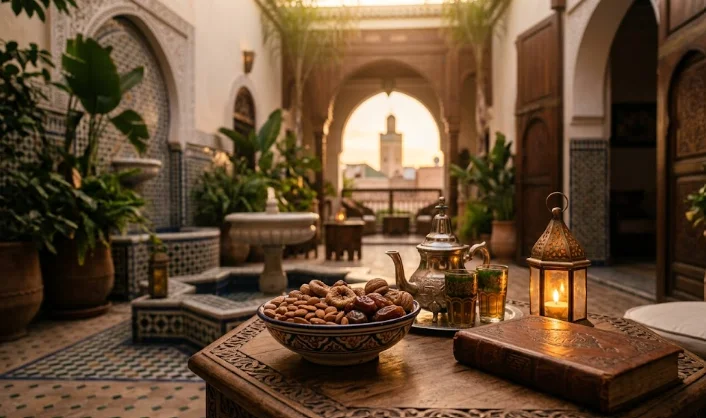
Morocco will welcome the Hijri New Year on Wednesday, June 17, marking the 1st of Muharram. While it may not carry the loud energy of Eid, the occasion remains deeply meaningful in Moroccan life. Indeed, it offers an annual pause for spiritual reflection, renewed intentions, and continuity with Islamic tradition.
For travelers, this date provides a unique window into how the Islamic lunar calendar shapes everyday rhythms. From official announcements to local family habits, Moroccans observe the start of Muharram with respect, devotion, and gratitude.
Hijri New Year Morocco: What the Date Means
In the Hijri calendar, the New Year begins with the first day of Muharram. This lunar month is central to Islamic timekeeping across Morocco and the Muslim world. Because the calendar relies on moon cycles, the start date shifts slightly every year compared to the Gregorian calendar.
Morocco’s observance is closely tied to established moon-sighting practices. Consequently, authorities confirm the exact date of 1st Muharram to help families prepare with confidence. Although the day does not cause widespread closures, it remains a significant marker on the national calendar.
How 1st Muharram Is Typically Observed in Morocco
In Morocco, people generally mark the Hijri New Year in a calm, reflective way. Many citizens start the day with prayers and personal review. Specifically, they think about the past year while making room for better intentions ahead.
Furthermore, Moroccan families often exchange greetings, share meals, or visit relatives. In some households, the day becomes a gentle social moment blending warmth with faith.
Common ways the day is observed include:
- Prayer and remembrance at home and in local mosques.
- Charitable gestures to support community causes.
- Quiet family visits that strengthen social ties.
- Spiritual reflection focusing on patience and renewal.
Customs can vary by region. However, the overall spirit stays consistent: a new start grounded in Islamic values.
What Is the Hijri Calendar and Why Muharram Matters
The Hijri New Year follows the Islamic lunar calendar. This system begins from the era of the Prophet Muhammad’s migration (Hijra) from Mecca to Medina. In Moroccan storytelling, the Hijra represents transformation, perseverance, and unity.
Moreover, the first month of Muharram is considered sacred. It carries deep themes of restraint, reverence, and faith. Even when celebrations are modest, the month’s meaning is taken very seriously.
Muharram as a Sacred Starting Point
Muharram holds special significance because it includes Ashura, observed on the 10th day. Many Moroccans recognize Ashura as a vital part of the wider spiritual calendar. Therefore, local traditions reflect both religious teachings and cultural storytelling.
Although travelers will mainly notice a quiet arrival of the New Year, the atmosphere builds as the days progress. Eventually, communities begin active preparations for the events connected to Ashura.
Why the Date Changes Each Year
Because Islamic months are lunar, the Hijri year is shorter than the solar year. As a result, Islamic holidays shift earlier in the Gregorian calendar by roughly 10 to 12 days each year. This is why the Hijri New Year falls in different seasons over time.
In Morocco, this movement is expected and well understood. Official confirmation helps people plan prayers with total clarity. For visitors, it serves as a reminder that Moroccan timekeeping is shaped by both astronomy and faith.
Experience the Hijri New Year Atmosphere as a Traveler
If you are in Morocco during 1st Muharram, you will find that cities feel steady rather than festive. Streets continue as usual, but daily life proceeds with a reflective mood. Ultimately, this subtle shift offers a rewarding look at Morocco’s religious culture.
In local neighborhoods, you might notice increased conversation and gentle greetings after prayers. Mosques play a central role in organizing this spiritual rhythm.
To make the most of your visit, consider these practical tips:
- Be respectful of prayer times around residential areas and mosques.
- Dress modestly for places of worship.
- Learn a few basic greetings in Arabic or French.
- Ask locals about nearby regional customs.
In short, keep expectations realistic. The Hijri New Year is about atmosphere rather than public spectacle.
Moroccan Values Connected to 1st Muharram
Moroccan religious life emphasizes community solidarity, and the New Year aligns naturally with this theme. Leaders often highlight the lessons of the Hijra, such as patience and mutual support.
For many Moroccans, the occasion is a reminder to contribute positively to society. This perspective makes the day meaningful even without public festivities.
In addition, charity is a major theme during this period. People take the opportunity to give back in practical ways. Many offer help discreetly, reflecting Morocco’s tradition of compassion.
From Hijri New Year to the Next Days: What to Look For
Although the initial announcement focuses on 1st of Muharram, it also signals the month ahead. As the days progress, families prepare for the spiritual observances of Ashura.
Depending on your location, you may notice a gradual increase in household preparations. This incremental shift is part of what makes visiting special, as the experience unfolds slowly. By the time Ashura approaches, the mood becomes richer, offering visitors a deeper view of Moroccan identity.
The Hijri New Year in Morocco on Wednesday, June 17 is a quietly powerful moment. It is a day for prayer, reflection, and renewed intentions. Therefore, it is less about fireworks and more about the spiritual rhythm that shapes Moroccan life. For travelers, it provides an authentic opportunity to witness Islamic tradition up close. With respect and curiosity, you can experience the New Year Moroccan style: calm, meaningful, and deeply rooted in faith.