
ONCF Morocco: Secrets to the Perfect Rail Trip
- Trains (ONCF) Transport in Morocco
 Maroc Fans
- 0
- 15 minutes read

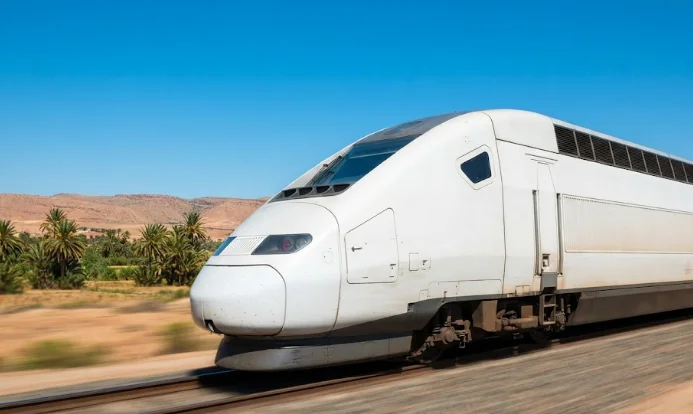
Traveling through Morocco by rail is one of the most rewarding experiences a traveler can have. Whether you want to master ONCF Morocco train travel from the bustling coastal metropolis of Casablanca to the ancient red walls of Marrakech or the blue-tinted northern charm of Tangier, the country’s national railway operator offers a reliable, comfortable, and remarkably scenic way to traverse the landscape.
Whether you are planning a fast-paced holiday or a leisurely backpacking trip, understanding how these trains function will save you time, money, and hassle. In this comprehensive guide, we will break down everything you need to know about navigating the Moroccan rail network using ONCF Morocco, booking tickets online, choosing the right train class, and mastering practical travel tips.
Understanding the National Rail Network with ONCF Morocco
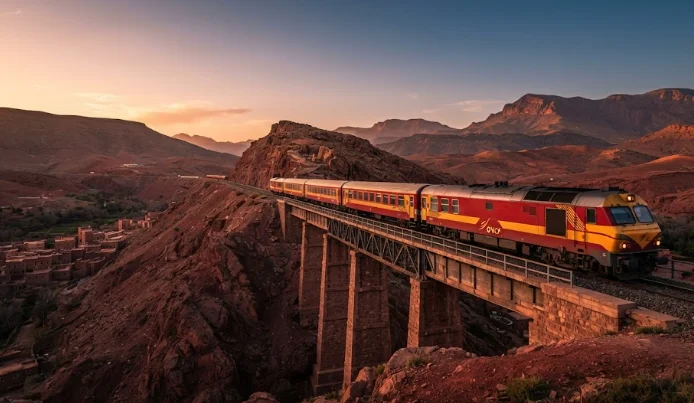
The Office National des Chemins de Fer manages a modern, expanding railway network that connects most of the country’s major economic hubs and tourist destinations. Over the past decade, Morocco has heavily invested in modernizing its infrastructure, making this rail system one of the most advanced and efficient on the continent.
The passenger network operated by ONCF Morocco is broadly divided into a few key categories of service:
- Al Boraq: Africa’s first and only high-speed rail service, connecting Tangier, Kenitra, Rabat, and Casablanca at speeds reaching up to 320 km/h.
- Al Atlas: Intercity mainline trains that link major destinations like Marrakech, Casablanca, Fez, and Oujda.
- TNR (Train Navette Rapide): Frequent regional commuter trains operating densely around the Casablanca, Rabat, and Kenitra hubs.
Major Train Routes and Travel Times
Mapping out your itinerary becomes much simpler once you understand the core arteries of the country’s rail network. Here are the most popular routes utilized by travelers and locals alike:
- Tangier to Casablanca (via Rabat and Kenitra)
- Train Type: Al Boraq (High-Speed)
- Duration: Approximately 2 hours and 10 minutes (compared to over 5 hours by older legacy lines).
- Frequency: Hourly departures throughout the day.
- Overview: This is the flagship high-speed route. It cuts through the northern plains and coastline, offering a smooth, quiet, and ultra-fast journey.
- Casablanca to Marrakech
- Train Type: Al Atlas
- Duration: Around 3 hours.
- Frequency: Regular daily departures.
- Overview: One of the most heavily traveled corridors in the country, connecting the financial heartbeat of Casablanca directly to the tourist capital of Marrakech.
- Casablanca / Rabat to Fez
- Train Type: Al Atlas
- Duration: About 3.5 to 4 hours from Casablanca (and roughly 2.5 hours from Rabat).
- Overview: This route winds through agricultural plains and rolling hills toward Morocco’s cultural and spiritual heart.
- Tangier to Fez
- Train Type: Al Atlas
- Duration: Roughly 4.5 hours.
- Overview: A fantastic cross-country connection for travelers wanting to bypass the Atlantic coast and explore northern interior gems.
Train Classes: First Class vs. Second Class
Rail services generally offer two distinct classes of service on long-distance and high-speed routes. Deciding which one to book depends on your budget and preference for comfort.
| Feature | First Class (1st) | Second Class (2nd) |
| Seating Arrangement | Quieter 6-seat compartments or individual spacious armchairs. | Open-coach configuration with rows of 4 seats. |
| Seat Reservation | Always includes a guaranteed, assigned seat number. | Reserved on high-speed Al Boraq; open or designated on some Al Atlas trains. |
| Atmosphere | Generally quieter, preferred by business travelers. | Can be lively, social, and crowded during peak hours. |
| Price | Moderately higher, but still very affordable by international standards. | Highly budget-friendly. |
How to Buy Tickets
Securing your tickets ahead of time ensures you lock in preferred departure times and avoid long queues at station counters.
- Online via the Official Website or AppThe most convenient option is booking through the official portal (www.oncf-voyages.ma) or the mobile application.
- The Online Bonus: Purchasing your tickets digitally frequently grants convenient access to digital-only promotions and special discounts compared to buying at station windows.
- Booking Window: Standard tickets open up for booking well in advance of travel dates.
- Payment: International credit cards are generally accepted without issue on the official platform.
- At Railway StationsYou can buy tickets directly at ticket counters (guichets) or automated ticket vending machines inside major stations like Casa-Voyageurs, Rabat-Ville, or Marrakech. It is wise to arrive well in advance if purchasing at the station, especially during weekends, holidays, or the summer season.
Essential Travel Tips for an ONCF Morocco Journey
To make your Moroccan rail adventure as seamless as possible, keep these expert tips in mind:
- Book Early for the Best Rates: The national carrier uses dynamic pricing models similar to airlines, particularly for Al Boraq and key Al Atlas routes. Booking weeks ahead can secure significantly cheaper promotional fares.
- Save a Digital Copy of Your Ticket: Cell service can occasionally fluctuate or drop in rural stretches between major cities. Always save the PDF or QR code of your e-ticket locally onto your smartphone so conductors can scan it effortlessly.
- Arrive Early for Security Checks: Major stations like Tangier-Ville and Casablanca Casa-Voyageurs feature airport-style security bag scanners at entrances. Factor an extra 15 to 30 minutes into your arrival schedule to clear security and locate your platform without rushing.
- Utilize Station Luggage Lockers: If you have checked out of your accommodation early but your train or flight isn’t until later, major stations offer secure luggage storage (consigne) facilities.
- Beware of Station Hustlers: When arriving at busy hubs—particularly Marrakech—exercise caution with individuals offering unsolicited help with luggage or pointing you toward unofficial transport. Head straight to the official, metered taxi ranks outside.
Frequently Asked Questions (FAQ)
Can I bring heavy or large luggage on board?
Yes, trains feature ample overhead racks and dedicated luggage storage areas near the doors of the carriages, accommodating standard backpacks and suitcases at no extra charge.
Can international tourists buy ONCF Morocco tickets online?
Yes, foreign travelers can easily book tickets online through the official website or authorized third-party platforms using international credit cards.
Do I need to print my train ticket?
No, physical printing is generally unnecessary. You can simply display the QR code or e-ticket PDF on your smartphone screen to the ticket inspector onboard.
How fast is the Al Boraq high-speed train?
Al Boraq operates at speeds up to 320 km/h, cutting the travel time between Tangier and Casablanca down to just 2 hours and 10 minutes.
Are seats reserved automatically when booking?
Yes, high-speed Al Boraq services and most long-distance Al Atlas trains operate with mandatory seat reservations, ensuring you have a designated place to sit.
What should I do if my credit card fails on the official website?
If the official portal occasionally rejects an overseas card due to strict 3D Secure banking protocols, you can successfully secure your tickets through reliable authorized international rail agencies.
Are children eligible for discounted train fares?
Yes, children aged 0 to 3 travel entirely free of charge (sharing a seat), while older children often benefit from half-fare or family-package reductions.