

Toubkal Trek Morocco: Secrets to the Perfect Summit Climb
- Destinations Travel in Morocco
 Maroc Fans
- 0
- 16 minutes read

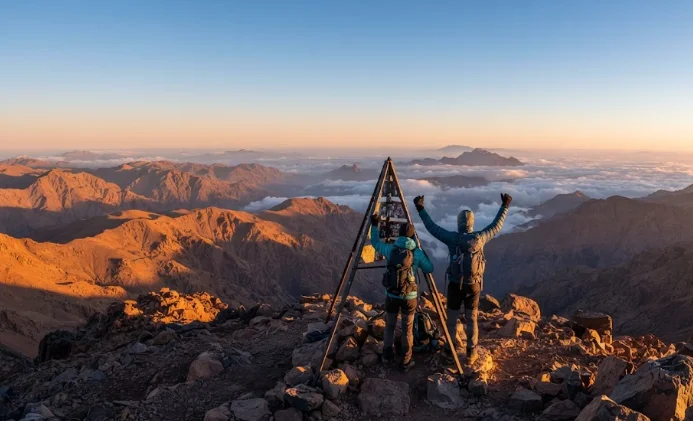
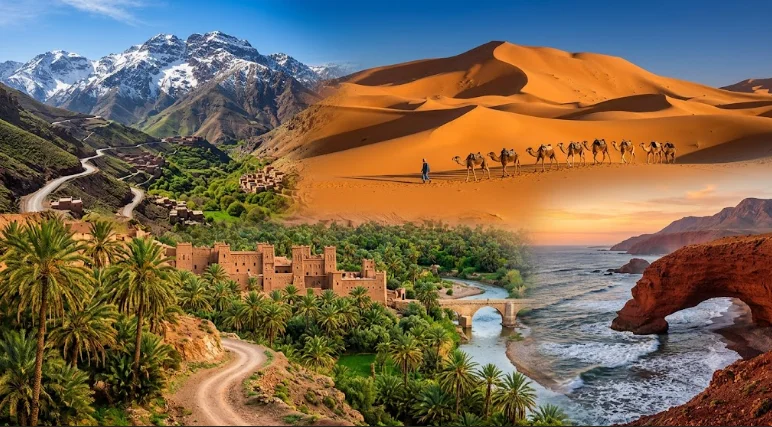
Embarking on a Toubkal trek is an unforgettable adventure that rises majestically to an altitude of 4,167 meters. Mount Toubkal (Jbel Toubkal) is the crown jewel of the High Atlas Mountains and the highest peak in North Africa. Located just 75 kilometers south of bustling Marrakech, this iconic giant offers adventurers a thrilling escape into dramatic mountain landscapes, traditional Berber culture, and breathtaking panoramas that stretch as far as the eye can see—and on clear days, toward the edge of the Sahara Desert.
Whether you are an experienced hiker looking for your next high-altitude challenge or an active beginner eager to bag your first 4,000-meter summit, planning a Toubkal trek requires careful preparation. Therefore, this comprehensive guide covers everything you need to know to plan a safe, successful, and deeply rewarding expedition.
Why Choose a Toubkal Trek for Your Adventure?
Unlike the technical mountaineering required for peaks in the Alps or the Himalayas, scaling Mount Toubkal does not demand ropes, ice axes (in summer conditions), or advanced rock-climbing skills. Instead, the standard route is a non-technical, albeit strenuous, high-altitude walk.
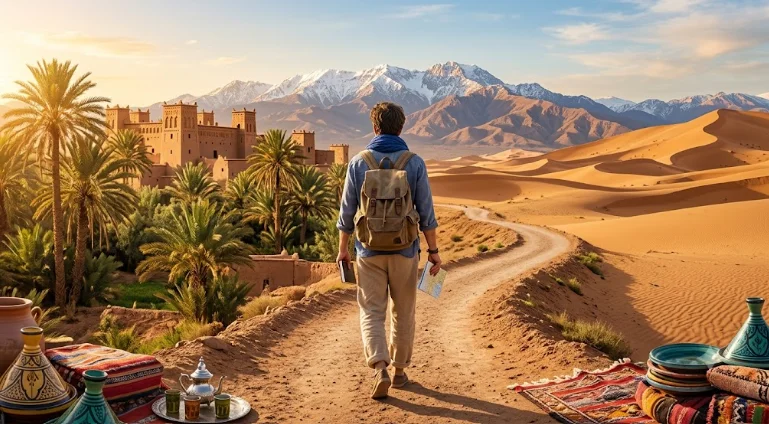
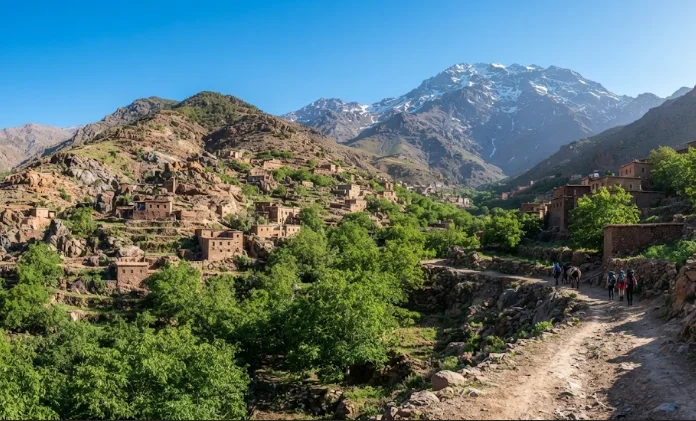
Furthermore, beyond the physical achievement, a Toubkal trek immerses you deeply in authentic Moroccan heritage. The journey begins in vibrant mountain valleys populated by historic Berber villages built from stone and mud, where terraced fields cling to steep hillsides. Mules laden with provisions pass you on narrow tracks, and consequently, the legendary hospitality of the local people—complete with endless pots of steaming fresh mint tea—adds a heartwarming cultural dimension to the rugged physical journey.
Planning Your Toubkal Trek Route from Imlil
Every classic excursion begins in Imlil, a picturesque mountain village nestled at an elevation of 1,740 meters.
- From Marrakech: The journey takes approximately 1.5 hours by road. You can hire a private taxi or pre-arrange a transfer through your accommodation. Alternatively, shared grand taxis (louages) run from Marrakech’s Bab er-Rob station to the nearby town of Asni, where you switch to another shared taxi bound for Imlil.
- Acclimatization Tip: Because Imlil sits at a modest altitude, it is recommended to arrive at least a day before your trek to let your body adjust and to explore the surrounding Mizane Valley.
For more details on navigating the region, check out our guide on Traveling from Marrakech to the High Atlas Mountains.
The Standard 2-Day Toubkal Trek Itinerary
While multi-day circuits exist for those wanting a longer wilderness experience, the classic 2-day ascent remains the most popular option for travelers.
- Day 1: Imlil (1,740m) ➔ Aroumd ➔ Toubkal Refuge (3,207m) | Duration: 4 to 5 hours | Distance: ~10 km | Elevation Gain: +1,467m
- Day 2: Toubkal Refuge (3,207m) ➔ Summit (4,167m) ➔ Return to Imlil | Duration: 7 to 9 hours total | Elevation Gain/Loss: +960m / -2,427m
Conquering the Ascent to Base Camp
Your Toubkal trek kicks off in Imlil, winding past walnut groves and up through the hillside settlement of Aroumd. The trail follows the Mizane Valley, crossing streams and passing the holy shrine of Sidi Chamarouch, where many pilgrims stop. The path gradually steepens as you ascend into more barren, alpine terrain. After 4 to 5 hours of steady walking, you will reach the twin mountain refuges (the Neltner Refuge / CAF Refuge and Les Mouflons Refuge) situated at around 3,207 meters. Here, you will eat a hearty hot meal and rest before the pre-dawn summit push.
Tackling the Final Summit Push and Descent
Hikers typically wake up around 4:00 AM or 5:00 AM to beat the intense sun and potential afternoon winds. Headlamps punctuate the dark as you tackle the steep, rocky zigzags of the upper slopes and scree fields. Although the final ridge walk can be windy and biting, reaching the metal tripod at the summit of Mount Toubkal as the sun rises over the Atlas range is an extraordinary reward.
After soaking in the panoramic views, participants retrace their steps carefully back down to the refuge for breakfast, continue descending all the way down to Imlil, and finally catch transport back to Marrakech.
If you want to extend your stay in the mountains, read our article on Exploring Hidden Berber Valleys in the High Atlas.
Managing Physical Exertion on a Toubkal Trek
A common misconception is that because a Toubkal trek doesn’t require technical climbing, it is “easy”. In reality, it is not.
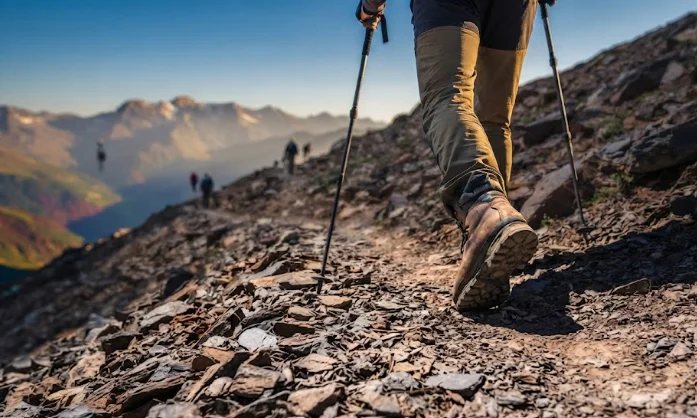
- Physical Exertion: You will experience significant cumulative elevation gains over rough, uneven, and rocky terrain. Consequently, strong cardiovascular fitness and leg stamina are essential. Training with weighted daypacks and doing stair-climbing or long weekend hikes for weeks prior will pay off immensely.
- The Altitude Factor: At 4,167 meters, the atmospheric pressure drops, meaning significantly less oxygen per breath. Acute Mountain Sickness (AMS) can affect anyone regardless of fitness level, manifesting as headaches, dizziness, or nausea. Going slowly (“pole, pole”), staying well-hydrated, and allowing your body to adapt are your best defenses. For a safer acclimatization profile, consider booking a 3-day or 4-day itinerary rather than rushing it in 2 days.
Best Seasons for Your Toubkal Trek
Mount Toubkal can be climbed year-round; however, conditions vary dramatically depending on the season:
- Late Spring to Early Autumn (May to September): This is the peak season for a Toubkal trek. Weather conditions are generally stable, trails are free of deep snow, and daytime temperatures are pleasant (though summit mornings remain cold).
- Late Autumn to Winter (November to April): Winter transforms the mountain into a serious alpine environment. Snow and ice cover the upper slopes, requiring crampons, an ice axe, and winter mountaineering experience. If you are targeting a winter ascent, professional mountain guides and specialized technical gear are non-negotiable.
For seasonal packing insights, check out our comprehensive guide on What to Pack for a Trip to Morocco: From Cities to Mountains.
Hiring Guides for a Safe Toubkal Trek
While independent trekking is technically possible on the well-trodden normal route, hiring a local licensed guide and muleteers is heavily recommended—and legally mandated for certain areas within Toubkal National Park.
- Local Expertise: Mountain weather can shift rapidly, and local guides know how to navigate safely, manage altitude symptoms, and handle unexpected logistical challenges.
- Supporting the Community: Hiring local guides and muleteers directly supports the livelihoods of families in Imlil and surrounding valleys. Mules carry your heavy duffels, sleeping bags, and extra water, leaving you free to hike with a lightweight daypack.
Essential Packing List for a Toubkal Trek
Packing correctly can make or break your mountain experience. Therefore, ensure your kit includes:
- Footwear: Broken-in, waterproof hiking boots with good ankle support and sturdy tread.
- Clothing Layers: Moisture-wicking base layers, an insulating fleece or lightweight down jacket, and a windproof/waterproof hard-shell jacket.
- Accessories: Warm beanie, sun hat, UV-blocking sunglasses, and gloves (lightweight for summer, insulated windproof mittens for winter).
- Hydration & Nutrition: Reusable water bottles or a hydration bladder (at least 2–3 liters capacity), water purification tablets or drops, and high-energy snacks like nuts and protein bars.
- Sleeping Gear: A warm sleeping bag rated to at least sub-zero temperatures (refuge blankets can be heavy or sparse during peak periods) and a lightweight sleep sheet.
- Safety Extras: Headlamp with spare batteries, basic personal first-aid kit, blister plasters, and sunscreen (SPF 50+).
Frequently Asked Questions (FAQ)
1. Is technical climbing experience required for a Toubkal trek?
No. In normal summer and autumn conditions, the standard route is a non-technical walk-up. However, winter ascents require crampons, ice axes, and winter mountaineering skills.
2. How high is Mount Toubkal?
Mount Toubkal stands at an elevation of 4,167 meters (13,671 feet), making it the highest mountain in Morocco and all of North Africa.
3. Can beginners climb Mount Toubkal?
Yes, beginners with a solid baseline of physical fitness and mental determination can successfully reach the summit. Regular cardiovascular training beforehand is strongly advised.
4. What kind of accommodation is available on the mountain?
The primary overnight base is the refuge area near 3,207 meters, which features alpine-style bunk rooms, communal dining spaces, and basic washing facilities.
5. Will I suffer from altitude sickness?
It is possible. Because the summit exceeds 4,000 meters, some trekkers experience mild symptoms like headaches. Maintaining a slow pace, drinking plenty of water, and choosing a longer itinerary can greatly reduce your risk.
6. Do I need to hire a guide?
While independent hiking is sometimes attempted, hiring a certified local guide from Imlil is strongly encouraged for safety, navigation, and cultural enrichment. Mules can also be hired to carry heavy gear.
7. What is the best month to do a Toubkal trek?
June through September offers the most stable weather and snow-free trails, making it ideal for standard trekkers.
8. How much cash should I bring on the trek?
You will need Moroccan Dirhams (MAD) to cover guide tips, muleteer fees, extra bottled water, snacks at the refuge, and meals in Imlil, as card payment facilities are generally unavailable in the mountains.