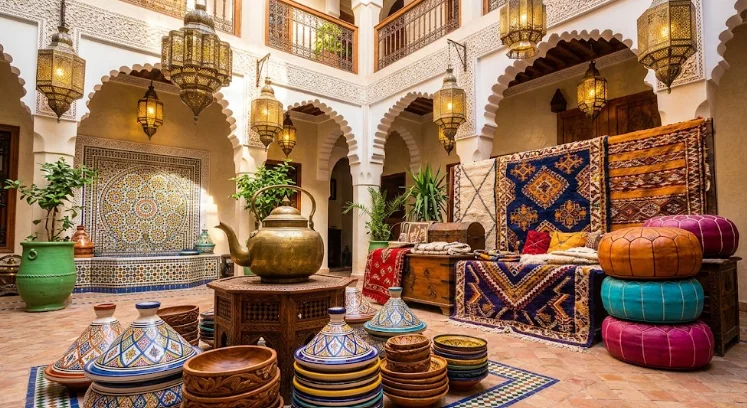


Moroccan Handicrafts: The Ultimate Investment in Authentic
- Moroccan Crafts Moroccan Culture Morocco Guide
 Maroc Fans
- 0
- 10 minutes read

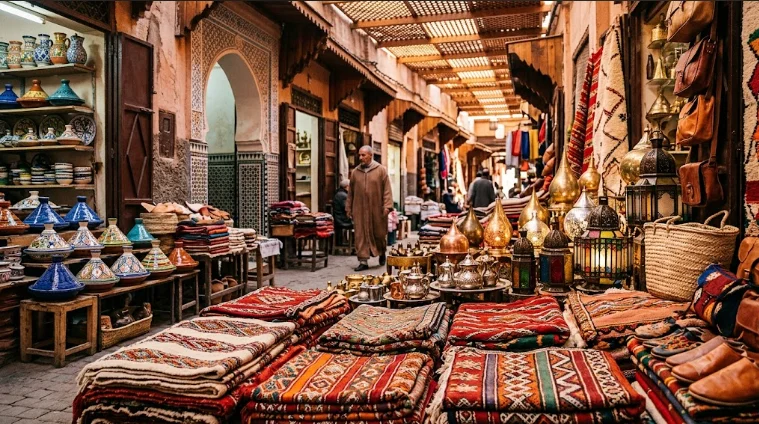
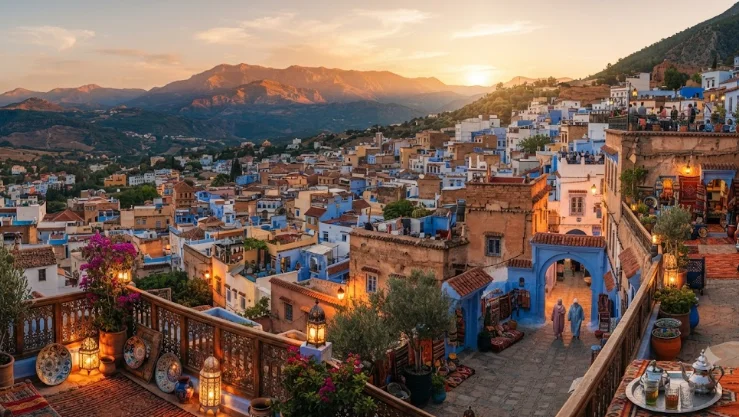
Moroccan handicrafts are celebrated worldwide for their exquisite artistry, bold colors, and centuries-old techniques. These crafts are more than just decorative items—they are a testament to Morocco’s vibrant culture and skilled artisanship. Whether you’re exploring bustling souks in Marrakech or shopping online, Moroccan handicrafts offer a unique blend of tradition and contemporary style.
From handwoven Moroccan rugs to intricately carved woodwork, each piece tells a story of heritage and creativity. In this guide, we’ll explore the diverse world of Moroccan handicrafts, delve into the history and significance of these treasures, and provide tips on how to incorporate them into your home.
Moroccan Rugs: The Timeless Appeal of Tapis Marocain
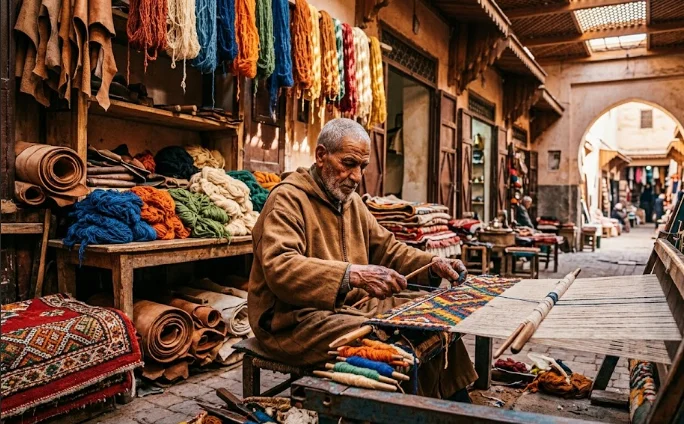
Moroccan rugs, known locally as tapis marocain, are among the most sought-after handicrafts from Morocco. These rugs are handwoven by Berber artisans using traditional techniques passed down through generations. Each rug features unique patterns and vibrant colors, making it a true work of art that stands out in any space.
How These Traditional Moroccan Handicrafts Are Made
The creation of a Moroccan rug is a meticulous process that starts with hand-spun wool. Artisans dye the wool using natural pigments before weaving intricate geometric or symbolic designs. The result is a durable, beautiful rug that reflects the region’s history and culture.
Decorating with Moroccan Rugs
Moroccan rugs are versatile and can complement both modern and traditional interiors. Use them as statement pieces in living rooms, bedrooms, or even wall hangings to add warmth and character to your home.
Moroccan Pottery: Handcrafted Ceramics with a Story
Moroccan pottery is another celebrated handicraft, known for its vibrant colors and detailed patterns. From decorative plates to tagines, each piece is hand-painted by skilled artisans, often featuring motifs inspired by nature and Moroccan architecture.
The Artistry Behind Ceramic Moroccan Handicrafts
Moroccan ceramicists use traditional wheels and kilns to shape and fire their creations. The glazing and painting process is an art form in itself, resulting in pieces that are both functional and decorative.
Moroccan Leatherwork: The Craft Behind Moroccan Poufs
Moroccan leather goods, especially the famous Moroccan poufs, are renowned for their quality and craftsmanship. Artisans use vegetable-tanned leather and hand-stitch each piece, creating durable and stylish items for the home.
Traditional Leather Tanning in Fez
Fez is home to some of the oldest tanneries in the world, where leather is still processed using age-old techniques. The result is supple, richly colored leather that’s used for poufs, bags, and slippers.
Moroccan Metalwork: From Lanterns to Tea Trays
Moroccan metalwork is famous for its intricate designs and delicate craftsmanship. Artisans create everything from ornate lanterns to detailed tea trays, often using brass, copper, or silver. These pieces add an exotic touch to any décor.
The Process of Moroccan Metal Crafting
Metalworkers use hand tools to cut, emboss, and etch intricate patterns onto each item. The process requires patience and skill, resulting in unique pieces that reflect Morocco’s artistic heritage.
Incorporating Moroccan Handicrafts into Modern Homes
Moroccan handicrafts can enhance any living space with their vibrant colors and unique textures. Mixing these items with contemporary décor creates a warm, inviting atmosphere and tells a story of global inspiration.
Tips for Decorating with Moroccan Handicrafts
Start with a statement piece like a Moroccan rug or lantern, then layer in smaller accents such as ceramics, poufs, or cushions. Don’t be afraid to mix patterns and colors—Moroccan style is all about bold expression and personal flair.
FAQ
What makes Moroccan rugs unique compared to other handmade rugs?
Moroccan rugs, or tapis marocain, are distinguished by their bold geometric designs, vibrant colors, and the use of high-quality wool. Each rug is handmade, often reflecting the cultural heritage and personal stories of the artisan.
How can I tell if a Moroccan handicraft is authentic?
Authentic Moroccan handicrafts are typically handmade using traditional techniques. Look for slight imperfections, natural materials, and ask about the artisan or origin to ensure authenticity.
What types of Moroccan pottery are most popular?
Tagines, decorative plates, and bowls are among the most popular Moroccan pottery items. Each piece is hand-painted with intricate patterns and vibrant colors, making them both functional and decorative.
How are Moroccan poufs made?
Moroccan poufs are crafted from hand-stitched, vegetable-tanned leather. Artisans fill them with natural materials like cotton or wool, resulting in a comfortable and stylish home accessory.
Can Moroccan handicrafts be used in modern interior design?
Absolutely! Moroccan handicrafts blend beautifully with modern interiors, adding warmth, texture, and a touch of global flair. They work well as statement pieces or subtle accents.
Are Moroccan lanterns suitable for outdoor use?
Many Moroccan lanterns are designed for both indoor and outdoor use. However, it’s best to check the material and finish to ensure durability in outdoor conditions.
Where can I buy authentic Moroccan handicrafts online?
You can find authentic Moroccan handicrafts from reputable online marketplaces, specialty stores, or directly from Moroccan artisans through fair-trade platforms.
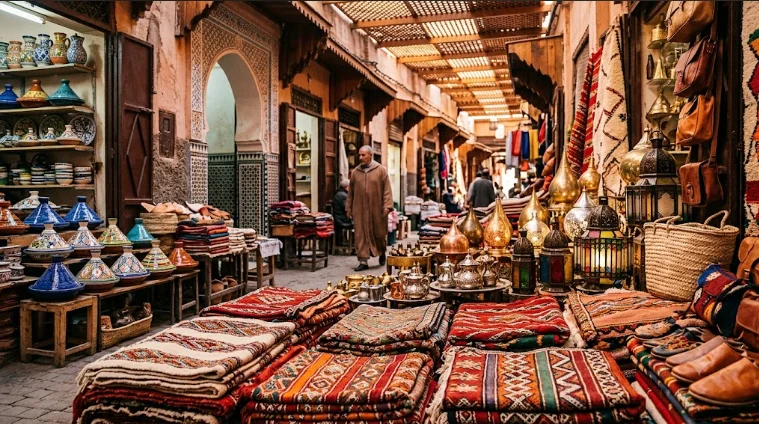
Moroccan handicrafts offer a unique blend of artistry, tradition, and functionality that can transform any space. Whether you’re drawn to the timeless beauty of Moroccan rugs or the intricate details of ceramics and metalwork, these handcrafted pieces bring a touch of Morocco’s rich heritage into your home. Explore the world of Moroccan handicrafts today and add an authentic, global touch to your décor.