
Morocco in Summer: Uncover Its Hidden Magic

When planning an African getaway, the vibrant colors and bustling souks of North Africa frequently top the bucket list. However, if you want to visit Morocco in summer, you might worry about the intense heat. You might also wonder what activities are actually available. Fortunately, this mid-year season is a deeply authentic and rewarding time to explore the kingdom. From refreshing Atlantic breezes to high-altitude sanctuaries, discovering Morocco in summer requires just a bit of smart planning. Consequently, this comprehensive guide will help you execute the perfect warm-weather escape.
Understanding the Climate of Morocco in Summer
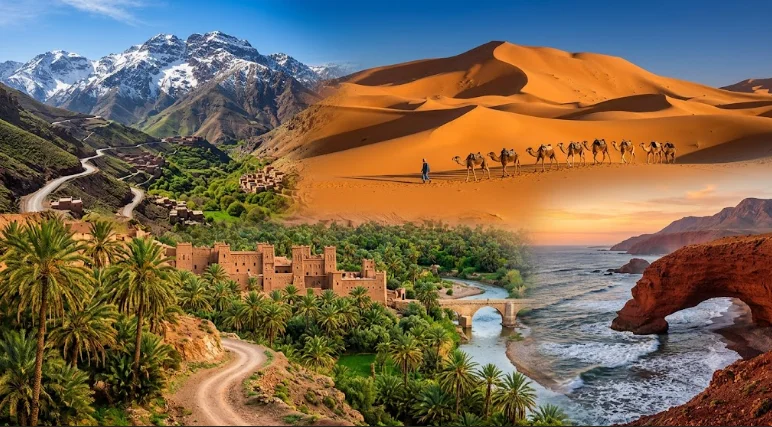
Morocco‘s diverse geography means that the weather varies wildly by region. Between June and August, the country splits into distinct climate zones.
First, the inland cities like Marrakech experience dry, intense heat. Temperatures here often range from 35°C to over 42°C during peak afternoon hours.
Meanwhile, the Atlantic and Mediterranean coasts stay extremely pleasant. Steady ocean breezes keep daylight temperatures around a comfortable 26°C to 32°C.
Finally, the mountain ranges offer crisp, fresh alpine air. Daytime temperatures here rarely exceed 28°C, and they drop significantly at night. Therefore, you can easily enjoy North Africa by focusing your itinerary on the coastlines and highlands.
Best Destinations to Visit in Morocco in Summer
1. The Coastal Cool of Essaouira and Taghazout
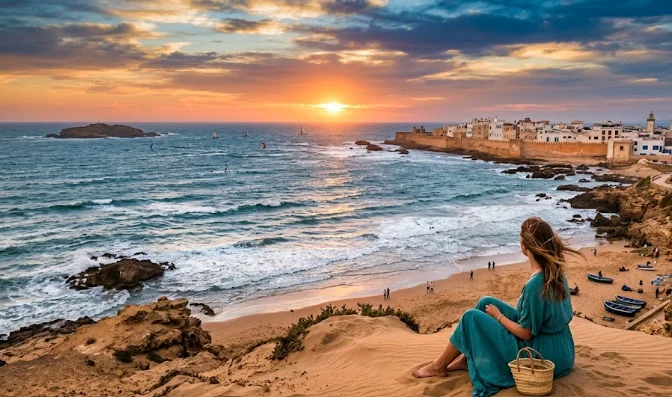
If you want to experience Moroccan culture without the scorching heat, head straight to the coast. For example, Essaouira is famously known as the “Wind City of Africa.” This fortified port town remains incredibly mild all summer long. Its whitewashed medina and relaxed seafood shacks provide a wonderful, cooling contrast to the inland desert.
Further south, you will find Taghazout. This village is a global hotspot for surfing and kitesurfing. Summer brings consistent swells alongside a vibrant, laid-back beach culture. As a result, it is perfect for families and younger travelers alike.
2. The Shaded Streets of Chefchaouen
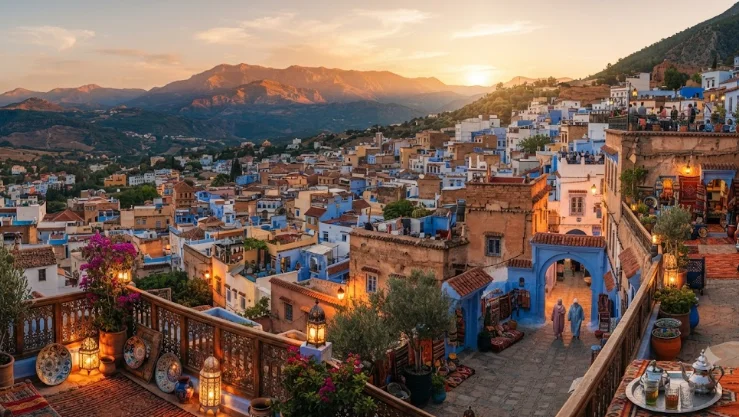
Tucked away in the northern Rif Mountains, the blue-washed city of Chefchaouen offers another great retreat. While the sun shines brightly, the high altitude keeps the climate manageable. Wandering through its shaded, winding alleyways feels like exploring a calm, cobalt labyrinth. Furthermore, the mountain backdrop provides beautiful evening breezes.
3. The High Atlas Mountains Peak Season
Surprisingly, summer is the absolute best season for trekking in the High Atlas Mountains. The winter snows have entirely cleared by June. Consequently, trails are fully open and mountain villages are alive with local agricultural activity. A trek through these Berber valleys offers a brisk sanctuary from the hot lowlands. For instance, adventurers can challenge themselves by climbing Mount Toubkal, which is North Africa’s highest peak.
Navigating Morocco’s Imperial Cities in Summer
You do not have to skip Marrakech or Fez completely during your summer trip. However, you simply need to change how you visit them.
The golden rule of summer exploration is straightforward: stay indoors during the peak afternoon heat. Specifically, try to explore before 11:00 AM and after 5:00 PM.
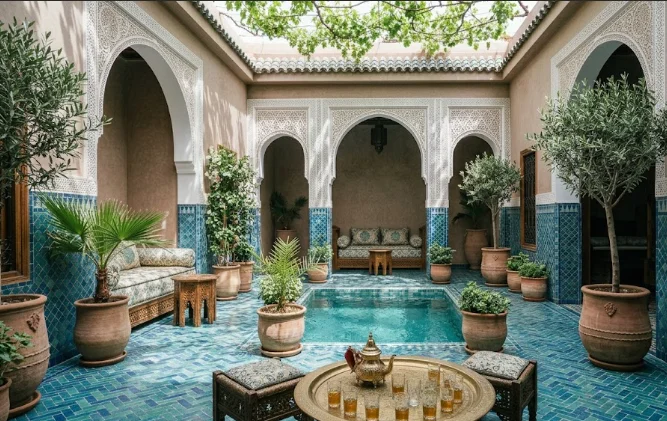
During the morning, you can visit architectural wonders like the Bahia Palace. Afterward, from noon to 4:00 PM, you should mimic the local routine. Retreat to the air-conditioned courtyard of a traditional riad. Alternatively, treat yourself to a refreshing traditional hammam steam bath and scrub.
Once the sun dips, these imperial cities undergo a spectacular transformation. For example, Jemaa el-Fnaa square in Marrakech comes alive after dark. Visitors can enjoy open-air food stalls, musicians, and street performers in the cool night air.
What to Pack for Traveling to Morocco in Summer
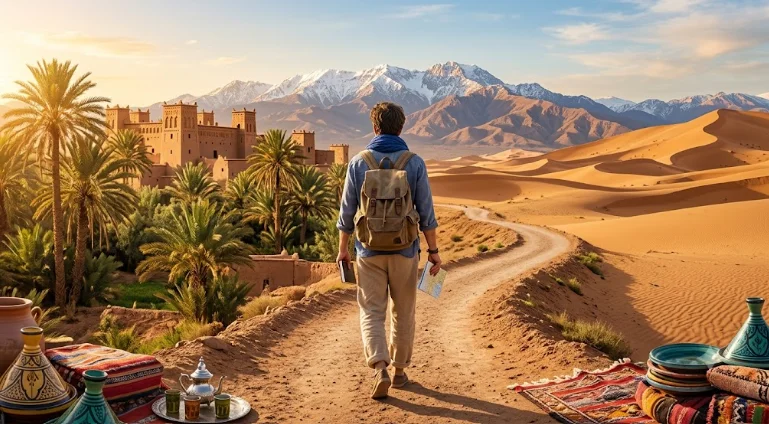
Packing for a warm-weather trip requires balancing sun protection with respect for local cultural norms. Because Morocco is a conservative country, lightweight, loose-fitting clothing is your best approach.
- Fabrics: Choose natural fibers like linen and loose cotton. Avoid synthetic materials because they trap heat.
- Coverage: Opt for long maxi skirts, linen trousers, and loose button-up shirts. These garments protect your skin from intense UV rays while keeping you cool.
- Essentials: Bring a wide-brimmed hat, polarized sunglasses, and high-SPF sunscreen. Additionally, a lightweight cotton scarf is incredibly useful for shading your shoulders.
The Verdict: Is Morocco in Summer Worth It?
While spring and autumn are traditionally peak tourist seasons, a summer journey has unique advantages. For one, you will encounter significantly fewer crowds at iconic historical sites. Furthermore, accommodation prices at luxury riads often drop during these months. By embracing the ocean breezes and resting during the midday heat, your trip will be deeply rewarding.
FAQ: Traveling to Morocco in Summer
Is the Sahara Desert accessible during the summer months?
Yes, tours still operate daily. However, the Sahara experiences extreme heat in July and August, often surpassing 45°C. If you choose to visit, it is highly recommended to book an air-conditioned hotel with a pool in Merzouga. Fortunately, the desert cools down beautifully at night, making stargazing an incredible experience.
Can I safely drink the tap water?
It is highly recommended that travelers stick to bottled water. This precaution is especially critical during the summer when staying hydrated is vital. Bottled options are cheap and readily available everywhere. Additionally, you should double your standard daily water intake to counter the dry heat.
Are shops and restaurants open during the day?
Yes, businesses remain open throughout the season. However, many shops in the souks take a prolonged break during the hottest hours of the afternoon. In contrast, restaurants and cafes stay open much later into the night. They easily adjust to the lively, nocturnal lifestyle of the summer months.