

Sahara Desert Morocco: Secrets to the Perfect Trip
- Morocco Guide Travel Tips
 Maroc Fans
- 1
- 20 minutes read

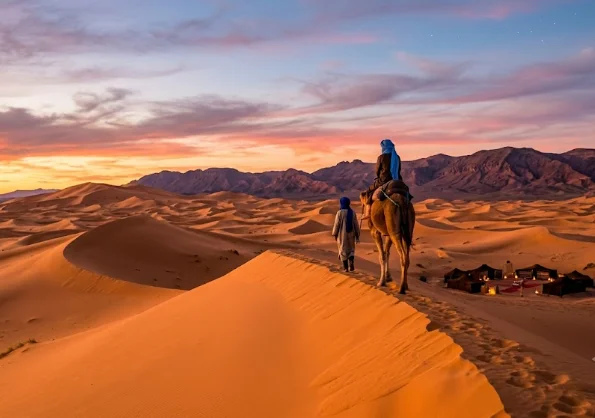
The Sahara Desert Morocco is the stuff of legends. It is a vast, silent ocean of sand where giant dunes shift with the wind, camels trace the horizons, and the night sky reveals a breathtaking canopy of stars. For many travelers, spending a night under the Saharan stars is the absolute highlight of their trip to Morocco.
However, planning a trip to the Moroccan Sahara can feel overwhelming. How do you get there from Marrakech or Fes? Should you choose the towering dunes of Erg Chebbi or the wild, remote expanses of Erg Chigaga? What should you pack for blistering daytime heat and freezing desert nights? This comprehensive guide covers everything you need to know to plan the perfect adventure in the Sahara Desert Morocco.
Erg Chebbi vs. Erg Chigaga: Choosing Your Destination in the Sahara Desert Morocco
Morocco has two main desert destinations (or ergs, which means large seas of sand dunes). While both offer an authentic experience in the Sahara Desert Morocco, they cater to very different travel styles.
| Feature | Erg Chebbi (Merzouga) | Erg Chigaga (M’hamid) |
| Dune Height | Very high (up to 150m) | High, but more spread out |
| Accessibility | Easy (paved roads to dune edge) | Challenging (requires 4×4 off-road) |
| Vibe & Crowds | Lively, accessible, more tourists | Remote, wild, peaceful |
| Infrastructure | Luxury camps, hotels, electricity | Basic to mid-range eco-camps |
| Travel Time from Marra. | ~9 hours | ~9 hours (plus 2 hours off-road) |
1. Erg Chebbi (The Merzouga Dunes)
Located near the town of Merzouga, Erg Chebbi is the most famous and easily accessible part of the Sahara Desert Morocco. The dunes here are spectacular, rising up to 150 meters in height and glowing with a brilliant orange-gold hue.
- The Pros: The paved road runs right up to the edge of the dunes, meaning you don’t need a heavy-duty 4×4 vehicle to reach your hotel or starting point. Furthermore, it offers a wide range of accommodations, from budget hostels to ultra-luxury glamping sites with running water, private showers, and Wi-Fi.
- The Cons: Because it is highly accessible, it can get crowded, especially during peak tourist seasons (spring and autumn). Consequently, you may hear the distant hum of quad bikes or see other campfires nearby.
2. Erg Chigaga (The Wild Frontiers of the Sahara Desert Morocco)
Located near the village of M’hamid, Erg Chigaga is the largest sand sea in Morocco. However, getting there is an adventure in itself. Once you reach M’hamid, you must travel off-road through rugged gravel plains and smaller dunes for about 2 hours to reach the main camp areas.
- The Pros: It is incredibly wild, remote, and peaceful. If you want to experience the true solitude of the Sahara Desert Morocco without the crowds, this is the place. In addition, the stargazing here is unparalleled due to the complete lack of light pollution.
- The Cons: Accommodations are generally more rustic and traditional. Moreover, it is harder and more expensive to reach because you must hire a 4×4 and a driver.
How to Get to the Sahara Desert Morocco
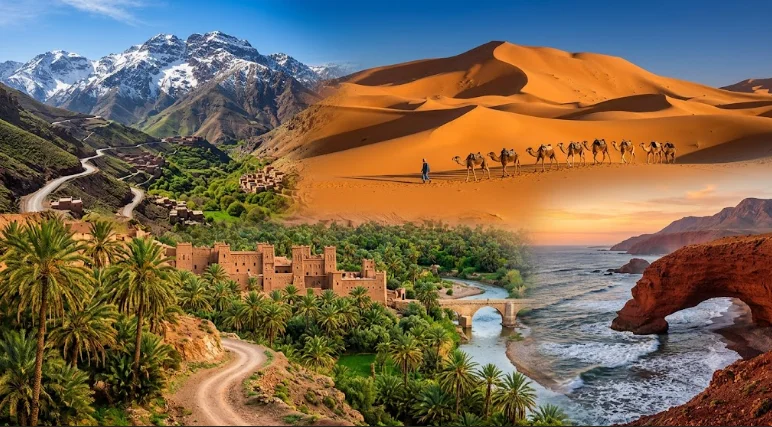
The Sahara Desert Morocco is located in the far east of the country, near the Algerian border. Getting there requires a significant time investment, but the journey is highly scenic, taking you through the rugged High Atlas Mountains and stunning clay-brick kasbahs.
Option A: From Marrakech (The Scenic Route)
The journey from Marrakech to either Merzouga or M’hamid takes roughly 9 hours of pure driving time.
- By Organized Tour: This is the most popular option. You can book a 3-day/2-night shared or private desert tour. On day one, you’ll typically cross the High Atlas Mountains via the famous Tizi n’Tichka pass. Afterwards, you will visit the UNESCO World Heritage site of Aït Benhaddou, and sleep in the Dades Valley or Ouarzazate. On day two, you will visit the Todra Gorge before finally reaching the desert camp by sunset.
- By Rental Car: If you prefer freedom, renting a car in Marrakech is highly recommended. The roads to Merzouga are fully paved and well-maintained. Just make sure to drive defensively through the mountain passes.
- By Public Bus: The Supratours bus company operates a direct daily bus from Marrakech to Merzouga. It leaves in the morning and arrives in the evening. Consequently, it is budget-friendly but offers no scenic photo stops along the way.
Option B: From Fes (The Quickest Route to Merzouga)
If you only want to visit Erg Chebbi, starting your journey to the Sahara Desert Morocco from Fes is a fantastic option. The drive takes about 7 to 8 hours.
The route passes through Ifrane (often called the “Switzerland of Morocco”), the cedar forests of Azrou (where you can see wild Barbary macaques), and the dramatic Ziz Valley, which is lined with thousands of lush date palms.
Travel Tip: To avoid backtracking, we highly recommend booking a 3-day tour starting in Marrakech and ending in Fes (or vice-versa). This allows you to see both sides of the country without spending a full day repeating the same mountain roads.
When is the Best Time to Visit the Sahara Desert Morocco?
The desert experiences extreme weather patterns, so timing your trip to the Sahara Desert Morocco is crucial to ensure a comfortable and enjoyable experience.
- Spring (March to May): This is the absolute best time to visit. Temperatures are warm and pleasant during the day (25°C to 30°C), and the nights are cool but not freezing. Note: Spring can occasionally bring windstorms, which kick up sand.
- Autumn (September to November): Another highly recommended window. The intense summer heat has faded, and the days are clear and sunny.
- Winter (December to February): Daytime temperatures are sunny and pleasant (around 15°C to 20°C), but nights are freezing. Temperatures can drop to 0°C or lower. If you travel in winter, make sure your desert camp offers heavy blankets or heating.
- Summer (June to August): Avoid visiting the Sahara in summer if possible. Daytime temperatures regularly exceed 45°C (113°F). Many desert camps close down during these months because the heat is simply unbearable.
Top Things to Do in the Sahara Desert Morocco
A trip to the Sahara Desert Morocco is more than just sleeping in a tent; it’s an immersive cultural and outdoor experience. Here are the top activities you shouldn’t miss:
1. Camel Trekking at Sunset
Riding a camel across the golden dunes as the sun dips below the horizon is a quintessential Moroccan experience. The colors of the sand shift from orange to deep ochre, pink, and purple. It is quiet, peaceful, and perfect for photography.
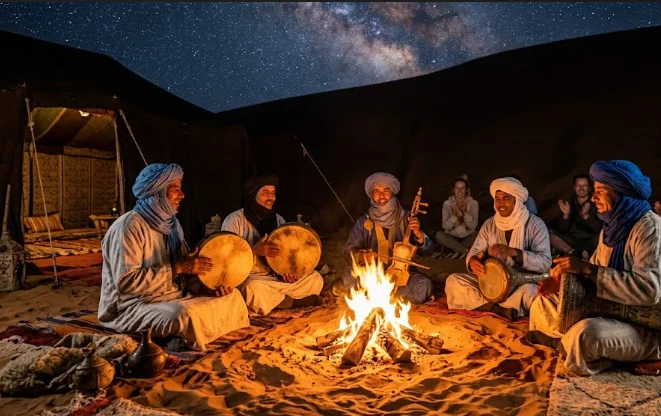
2. Traditional Berber Music Around the Campfire
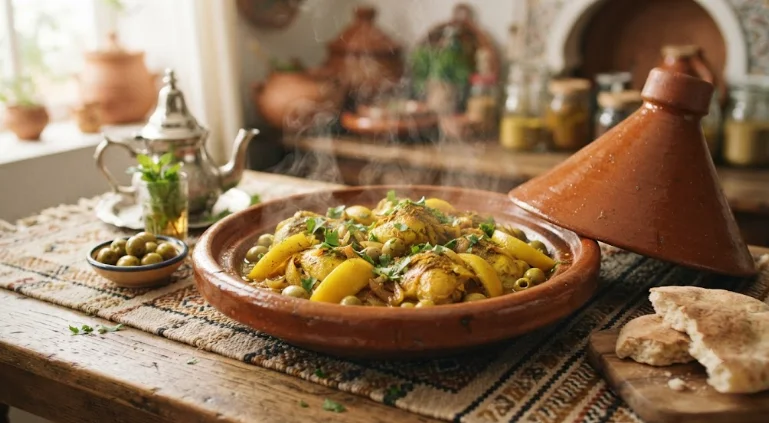
After a traditional dinner of lamb tagine and fresh Moroccan bread, hosts and local Berbers (Amazigh) gather around a roaring campfire. You’ll be treated to traditional drumming, singing, and storytelling under the starlit sky. Feel free to join in and learn a beat!
3. Stargazing in the Sahara Desert Morocco
Because there is virtually no artificial light in the desert (especially in Erg Chigaga), the night sky is mesmerizing. You can clearly see the Milky Way, shooting stars, and constellations with the eye.
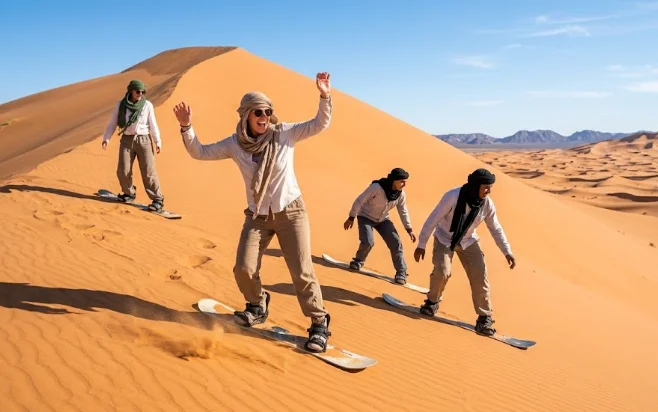
4. Sandboarding down Giant Dunes
Most luxury and mid-range camps provide sandboards. Clambering up to the peak of a 100-meter dune and sliding down on a snowboard-style deck is a thrilling rush of adrenaline.
5. Quad Biking and Buggy Tours
For thrill-seekers, renting an ATV (quad bike) or buggy allows you to explore the vast dune fields at high speeds. It’s a great way to cover large distances and access isolated parts of the desert.
Ultimate Sahara Desert Morocco Packing List
The desert’s climate is dry, sunny, and prone to extreme temperature drops. Packing the right gear for the Sahara Desert Morocco will keep you comfortable.
Clothing:
- Loose, breathable layers: Lightweight cotton pants and long-sleeve shirts protect your skin from the intense sun.
- Warm jacket or fleece: Essential for the chilly desert nights, even in spring and autumn.
- A scarf or shesh: A traditional Berber headscarf protects your face and hair from blowing sand during camel rides. Your guide can show you how to tie it.
- Closed-toe shoes: Sneakers or hiking shoes are best for walking on hot sand and climbing dunes. Avoid flip-flops on camels!
Essentials & Toiletries:
- Sun protection: High SPF sunscreen, polarized sunglasses, and a wide-brimmed hat.
- Moisturizer and lip balm: The desert air is incredibly drying.
- Wet wipes and hand sanitizer: Water is a precious resource in the desert; wipes are great for a quick refresh.
- Power bank: While some luxury camps have outlets, budget camps do not. Bring a fully charged portable battery.
Frequently Asked Questions (FAQ)
1. Is it safe to travel to the Sahara Desert Morocco?
Yes, the Sahara Desert Morocco is highly safe. The tourist areas of Merzouga and M’hamid are far from any conflict zones and are heavily monitored by local authorities and tourism police.
2. Can I visit the Sahara Desert on a day trip from Marrakech?
No. The driving distance from Marrakech to the edge of the desert is about 9 hours each way. Any tour claiming to take you to the “Sahara” on a day trip is actually taking you to the Agafay Desert, which is a stony desert near Marrakech with no large sand dunes.
3. Do I need a 4×4 to visit Merzouga?
No, a standard rental car can easily reach Merzouga as the roads are fully paved. However, if you are visiting Erg Chigaga, you will absolutely need a 4×4 vehicle and an experienced local driver to navigate the off-road desert tracks from M’hamid.
4. Are there bugs, scorpions, or snakes in the desert?
While the Sahara is home to insects, scorpions, and snakes, they are rarely encountered by tourists. They tend to avoid humans and are inactive during the cooler months when tourism is at its peak. Campsites are well-maintained to keep them away.
5. Is there phone signal or Wi-Fi in the desert camps?
In Erg Chebbi (Merzouga), you will likely have decent 4G mobile reception near the edge of the dunes, and many luxury camps offer Wi-Fi. In Erg Chigaga, signal is extremely weak or non-existent, offering a perfect opportunity for a digital detox.
6. What kind of food is served in the desert camps?
Standard camp meals are hearty and delicious. You will typically be served Moroccan mint tea upon arrival, followed by a dinner of Moroccan salads, hot tagines (chicken, beef, or vegetarian), couscous, and fresh seasonal fruits. Bottled water is widely provided.
1 Comment
[…] booking, check our Sahara Desert Morocco guide for practical planning […]