

World Cup 2026: What Moroccan Football Fans Focus On
- Atlas Lions Moroccan Sport Morocco Guide World Cup 2026
 Maroc Fans
- 0
- 12 minutes read

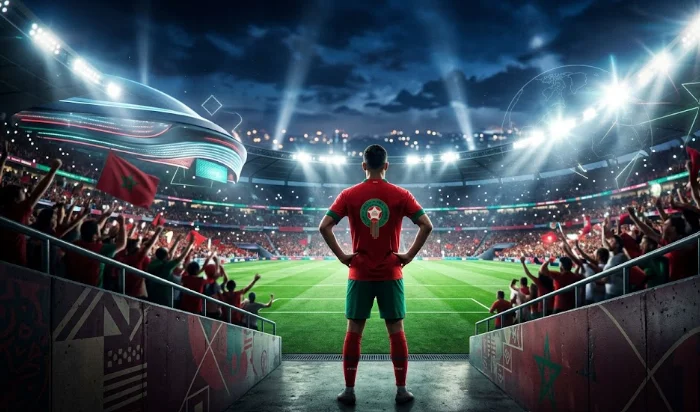
With the FIFA World Cup 2026 drawing closer, Moroccan football supporters are naturally focused on what comes next. They want to know how the Lions de l’Atlas will prepare. Fans also wonder how the national program will build momentum on the biggest stage.
However, it is important to note that the provided data contains no specific, dated updates. This means we cannot reference announcements, match reports, squad news, injuries, or transfers here.
Instead of inventing details, this article offers a grounded look at the themes that will matter most for Morocco. We will focus on preparation, team cohesion, and tactical flexibility. These elements shape performance when international pressure rises.
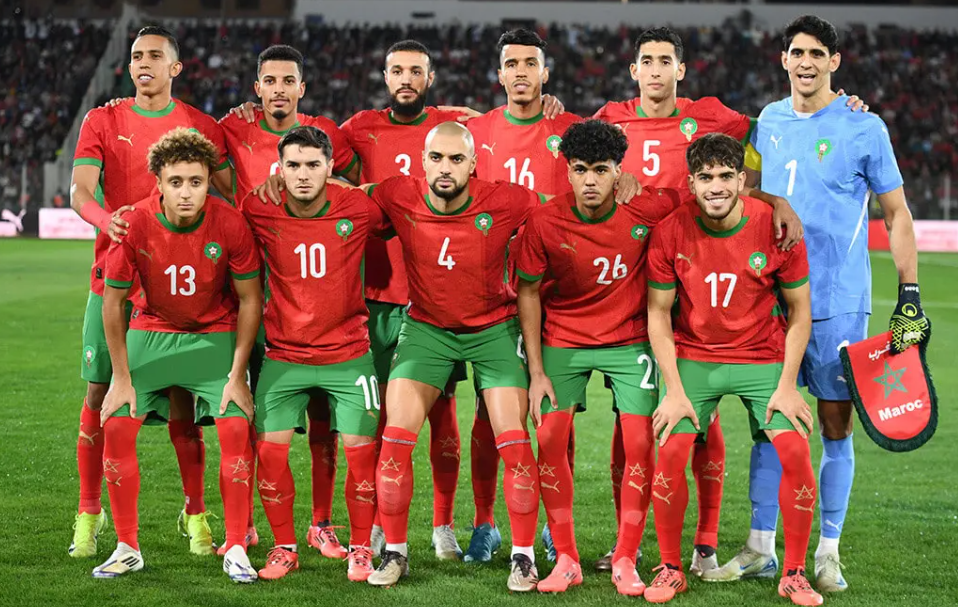
Why Morocco’s Lions de l’Atlas attract constant attention
In Morocco, football is a shared national passion. As qualifiers and preparation phases approach, expectations grow around the same core questions. Is the squad stable? Is the style clear? Can the team compete against different types of opponents?
Indeed, the Lions de l’Atlas sit at the center of this conversation. They represent Morocco’s identity on the international stage. Every step toward the tournament is examined closely. Fans want to see how it translates to intensity and decision-making during high-stakes football.
What “pre-World Cup” usually means for a national team heading to the World Cup 2026
The period leading into the World Cup 2026 typically follows a familiar pattern. This holds true even without any specific squad updates to discuss. Coaching staff work hard to align the team’s priorities technically and mentally. Furthermore, they must test systems that can adapt to match situations.
Core structural priorities
For Morocco, supporters will likely pay close attention to three specific areas. These fundamentals determine whether a team is ready for a global tournament:
- Collective organization: How the team defends as a unit and transitions between phases.
- Role clarity: Whether players understand their responsibilities in build-up, pressing, and chance creation.
- Consistency over time: The ability to perform at a similar level across multiple matches.
In addition, these fundamentals cannot be replaced by isolated good performances. Tournament football rewards defensive structures that hold under pressure. This is especially true when opponents adjust quickly.
Preparation as a test of cohesion and adaptability for the World Cup 2026
International tournaments are short, intense, and unforgiving. Therefore, cohesion becomes more than a luxury. It directly affects communication and timing on the pitch. It also builds the confidence players need to make decisions under pressure.
Consequently, adaptability is equally critical. A team rarely faces only one tactical scenario. They must be able to respond to different styles. Some opponents defend deep, while others take risks forward with high-pressing intensity.
The key question is whether the team can remain itself while still evolving match-to-match. In practice, this shows up in transition speed. The squad must switch quickly from defense to constructive possession.
Player dynamics: building an effective balance across positions
Without specific squad news, it is not possible to discuss individual players or current availability. However, the logic of tournament readiness remains clear. Teams simply need balance to succeed in the World Cup 2026.
Tactical pillars required for success
Ready sides generally rely on three main pillars:
- A reliable defensive base that limits easy chances.
- A midfield that can control tempo or disrupt the opponent’s rhythm.
- Attacking solutions that stay dangerous when the first plan fails.
The experience of domestic talent is vital in Morocco’s football culture. Likewise, the influence of players exposed to overseas environments matters greatly. These distinct groups must remain cohesive under consistent playing principles.
How Moroccan football’s wider context shapes the road to 2026
The national team does not develop in isolation. Instead, it grows alongside the domestic league, academies, and coaching pathways. The integration of young players into higher levels is also crucial.
As the tournament approaches, the emphasis often shifts toward immediate readiness. Coaches must blend continuity with fresh energy. They need players who already share chemistry alongside those ready to contribute immediately.
As a result, supporters pay attention to the entire national setup. They watch the general direction and the intensity of preparation. They also look at how training priorities reflect tournament realities.
What supporters in Morocco will want from upcoming World Cup 2026 updates
For fans following the road to the World Cup 2026, the most meaningful information is concrete and date-based. The current data includes none of that. Nonetheless, future updates could include the exact details that help the public understand where the team stands.
To make coverage genuinely useful, Moroccan readers typically look for specific information:
- Fixture-related announcements regarding preparation matches and dates.
- Call-ups and squad selections explaining who is included and why.
- Injury or fitness updates with clear recovery timelines.
- Training camp notes highlighting tactical themes.
- Official statements that clarify upcoming objectives.
When these elements are available, a true news-based analysis becomes possible. Writers can then explain the implications for tactics and chemistry.
A realistic way to think about Morocco’s path
In the absence of specific updates, we must frame Morocco’s preparation as a continuous process. The Lions de l’Atlas will be judged by how well they combine structure with resilience. They must respond well when momentum shifts.
In short, that process is shaped by preparation intensity and clear role definition. Performance stability is also key. When these pieces align, the team can compete at a high level against a wide range of opponents.
FAQ: Morocco and the World Cup 2026
Is there specific dated Morocco football news included here? No. The provided data contains no specific, dated updates, so no particular match or player can be cited.
What can be discussed confidently about Morocco and 2026? We can discuss general themes tied to tournament preparation. These include cohesion, tactical adaptability, and team balance.
What kinds of updates would improve future reporting? Future reporting will benefit from official squad lists, match schedules, fitness reports, and training camp information.
How does cohesion matter for the Lions de l’Atlas? Cohesion supports faster communication and better timing. Therefore, it leads to clearer decision-making under intense pressure.
Attention on the Lions de l’Atlas is both natural and intense as the tournament draws near. However, because the data includes no concrete updates, this piece stays at the level of football fundamentals. Preparation shapes performance, cohesion influences results, and balance matters most on the world stage.
When new verified information becomes available, it will be possible to move to a fully news-based account. For now, Morocco’s football conversation is best understood as a search for readiness and identity ahead of the World Cup 2026.