

Food Stalls in Marrakech: The Ultimate Tagine Tour Guide
- Activities & Experiences Destinations Morocco Guide Travel in Morocco
 Maroc Fans
- 0
- 18 minutes read

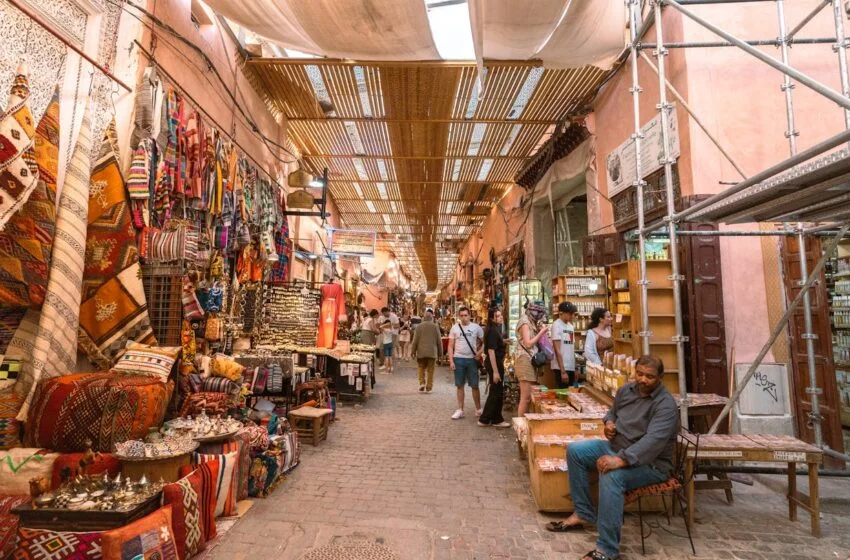
Marrakech is a city where gastronomy feels deeply ceremonial. For many travelers, embarking on a “royal tagine” tour isn’t just about eating—it’s about tasting the majestic flavors that once graced palaces and kasbahs. Ultimately, the best way to enjoy that experience is through the busiest food stalls in Marrakech, where local vendors cook tagines to order, vibrant spices bloom in the air, and every single bite carries a rich story.
Below is a curated guide to some of the finest food-stall stops in the city—ideal for sampling royal-style tagines, savory sides, and the traditional breads that make every Moroccan meal unforgettable.
What to look for in royal tagine Food Stalls in Marrakech
Not all marketplace tagines are created equal. If you’re aiming for a truly royal-style experience while exploring the various food stalls in Marrakech, you should focus heavily on freshness, aroma, and the vendor’s specific cooking method. Consequently, a memorable tagine should smell deep and spiced, rather than just hot.
- Slow-cooked aroma: Look for long simmering techniques and ultra-tender meats or vegetables.
- Balanced spice blend: Spices should feel layered (such as cumin, ginger, saffron, cinnamon, and ras el hanout), not harsh.
- Perfect sauce-to-bread ratio: The rich gravy should always be thick enough to mop up.
- Quality garnish: Olives, preserved lemon, roasted almonds, or fresh herbs add that authentic “palace” finish.
Because the Red City is always lively, it is best to choose food stalls in Marrakech that are visibly busy with locals. That steady flow of regular customers is often the best sign that the food is reliable, fresh, and made entirely in-house.t are busy with locals. That steady flow is often the best sign that the food is reliable and made in-house.

Kamsah Tagine Pot
Traditional Moroccan tagine pot made with high-quality, lead-free materials. Perfect for slow cooking delicious, authentic meals with rich flavors.
- ✔️ Authentic Moroccan design
- ✔️ Non-stick & lead-free
- ✔️ Ideal for slow cooking
- ✔️ Durable and heat resistant
Jemaa el-Fna: The heart of Food Stalls in Marrakech
No royal tagine tour feels truly complete without experiencing the vibrant rhythm of Jemaa el-Fna. By evening, thick smoke rises from charcoal grills and tagine steam drifts through the grand square, signaling that dinner is about to begin.
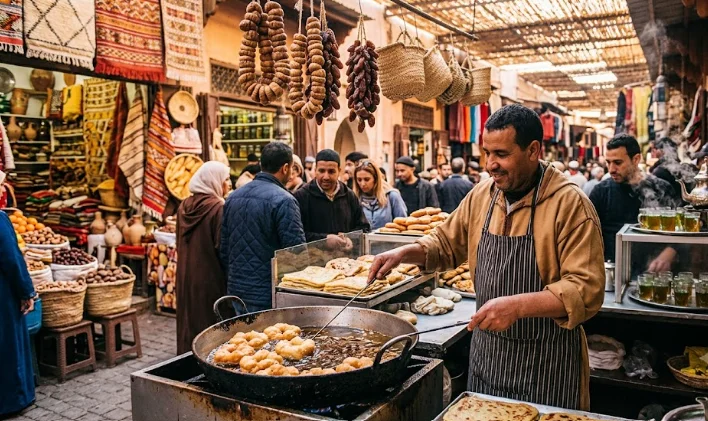
Here, you will find multiple food stalls in Marrakech offering different tagines—often chicken, lamb, or mixed vegetable versions—with sauces seasoned in the classic Moroccan way. Furthermore, many vendors let you select your own ingredients and watch the clay pot steam right before your eyes.
Royal-style favorites at Jemaa el-Fna Food Stalls in Marrakech
When you are choosing a specific spot, ask what is simmering most steadily. Popular “royal” profiles tend to include a pleasant sweetness from raisins or prunes, warm spices, and a gorgeous garnish.
- Chicken with preserved lemon and olives: Bright, tangy, and richly aromatic.
- Lamb with prunes and cinnamon: Slow-cooked warmth featuring a delicate sweetness.
- Almond and saffron tagine: Indulgent and fragrant, often reserved for special occasions.
- Vegetables in fragrant sauce: A beautiful mix of carrots, zucchini, turnips, and seasonal herbs.
To properly elevate your meal, pair your tagine with fresh khobz (Moroccan bread). Tear off warm pieces and use them to scoop up the savory sauce—this is exactly how locals fully enjoy the dish.
Bab Doukkala: Calmer Food Stalls in Marrakech for palace flavors
For travelers who want the thrill of street food without the loudest crowds, the Bab Doukkala vicinity offers a much more relaxed approach. You will still find tagines that feel celebratory, but the overall pace is gentler.
As a matter of fact, the food stalls in Marrakech around this historic area often focus on consistent classics—chicken tagines, lamb tagines, and hearty vegetable bowls. Expect a strong emphasis on wild herbs, local olive oil, and careful, unhurried simmering.
How to spot the best stall in the Bab Doukkala flow
Scan the streets for vendors who keep their clay lids moving and maintain a steady stream of orders. The best food stalls in Marrakech typically serve food piping hot and fresh, rather than holding it over heat for long periods.
- Look for steaming tagine pots held ready right near the front counter.
- Check that the sauce has a rich body, instead of just a watery broth.
- Ask if they add traditional preserved lemon, olives, or roasted almonds.
If you are building a custom royal tagine tour, this neighborhood serves as a strong mid-route stop—perfect for a satisfying lunch or an early dinner.
Rue de la Koutoubia: Food Stalls in Marrakech with a “just made” feel
The busy food stalls in Marrakech along Rue de la Koutoubia and its nearby streets deliver a perfect blend of excitement and accessibility. This makes it incredibly easy to weave tagine tastings into a casual evening stroll. Usually, you will catch the distinct scent of cinnamon-tinged sauces and ginger-spiced stews long before you actually see the pots.
Many vendors here focus on portions that travel well and flavors that land right away: tender chicken, well-seasoned beef or lamb, and vegetable tagines with herbs that taste fresh rather than faded.her than faded.
Kamsah Tagine Pot
Traditional Moroccan tagine pot made with high-quality, lead-free materials. Perfect for slow cooking delicious, authentic meals with rich flavors.
- ✔️ Authentic Moroccan design
- ✔️ Non-stick & lead-free
- ✔️ Ideal for slow cooking
- ✔️ Durable and heat resistant
Pairing ideas for a fuller Moroccan meal
To make your street food tasting feel like a genuine royal banquet, complement your main dish with side options that soak up sauce and add texture.
- Harira-style soup cups: Warming, hearty, and highly spiced, making them great before a heavy tagine.
- Seasonal salads: A refreshing mix of tomato, cucumber, and herbs drizzled with olive oil.
- Roasted olives and pickles: A sharp, salty contrast to sweet-and-spice tagines.
- Sweet mint tea: Perfectly cleanses the palate between different tastings.
Because the walkways are always active, it is wise to plan your order quickly and keep an eye on when your food is served so it arrives hot.
Derb Dabachi and the Medina’s spice lanes
The ancient spice lanes near Derb Dabachi can feel like a labyrinthian treasure map—narrow alleys, fragrant shops, and small food counters tucked tightly between spice merchants. Therefore, it is an excellent place to experience authentic Moroccan flavors far beyond the obvious tourist routes.
Food stalls here often prepare meals with a deep, home-cooked intensity. The rich sauces may taste slightly different from stall to stall, reflecting what the vendor believes is “best today.” That local touch is truly part of the charm of Marrakech.
Royal tagine orders that shine in the spice lanes
If you want the ultimate “palace” effect—heavy on almonds, dried fruit, and aromatic spices—these specific food stalls in Marrakech are a fantastic bet.
- Pastilla-inspired flavors: Some vendors offer sweet-savory tagine touches that echo palace desserts.
- Olive-forward tagines: Rich and deeply savory, especially when paired with preserved lemon.
- Sweet-meets-savory lamb options: Tender cuts cooked with prunes, raisins, or dried apricots and cinnamon.
When you order your food, do not be shy about asking the cook for a direct recommendation. Vendors usually know exactly which tagine variation is most popular for the day’s crowd.
How to make your royal tagine tour truly satisfying
A successful street food trail is about much more than simply choosing the “right” dish. Rather, it is about pacing yourself, tasting a wide variety, and learning the traditional Moroccan table style.
Simple strategy for tasting multiple tagines
- Start with one savory classic: Opt for chicken or lamb with olives and preserved lemon.
- Follow with a sweet-spice option: Try lamb with prunes and cinnamon or an almond saffron blend.
- Finish with vegetables: Choose a lighter, herb-forward, and balanced vegetable bowl.
- Always choose fresh bread: A good loaf makes even a small tasting portion feel completely satisfying.
If you are touring the city with others, splitting tagines is a great way to broaden your tasting horizons without overfilling. Additionally, remember that Moroccan mint tea works beautifully as a reset button between rich flavors.
Where royal tagines feel like a Marrakech tradition
In conclusion, the best food stalls in Marrakech turn traditional royal tagines into an unforgettable culinary experience. With steam rising from clay pots, rich spices warming the air, and flavors that feel both comforting and ceremonial, it is a must-try event.
You can start at Jemaa el-Fna for the full street-food spectacle, then branch out toward Bab Doukkala and the hidden spice lanes for more focused, consistently delicious palace-style bowls. Order thoughtfully, follow your nose, and let each stall’s signature dish guide your next stop.