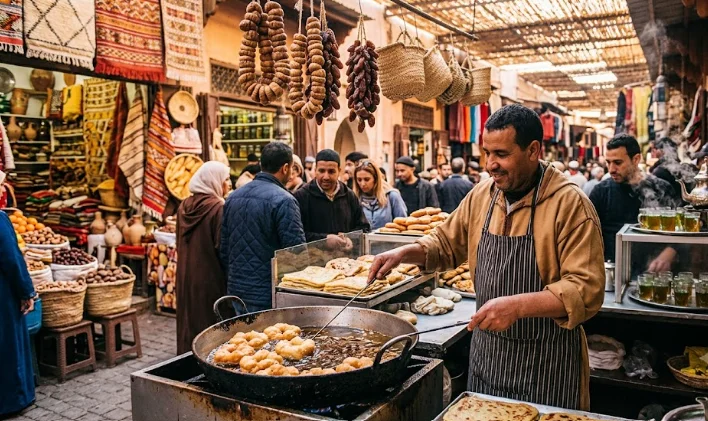


Marrakech Riad Cooking Class: The Ultimate Guide for Foodies

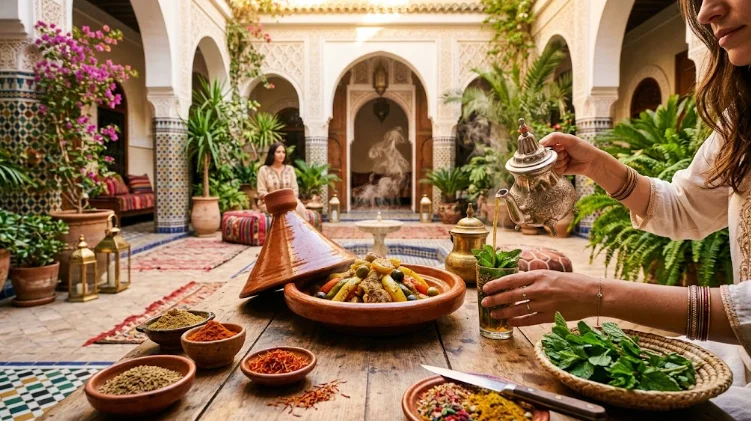
Marrakech has a way of turning everyday moments into memories, and nothing captures that magic like a hands-on Marrakech riad cooking class followed by fresh mint tea. Nestled behind carved doors in the medina, these immersive culinary experiences let you step into Moroccan home-style traditions—spices, rhythms, and flavors included. Whether you’re a confident cook or a curious first-timer, you’ll leave with practical skills, a fuller palate, and a deeper understanding of Moroccan hospitality.
Why a Marrakech riad cooking class is different
Cooking classes in a Marrakech riad feel personal because they’re rooted in daily life. Instead of a commercial kitchen, you’ll cook in a setting designed for warmth and conversation. Courtyards, tiled surfaces, and soft light create the ideal atmosphere for learning.
You’ll also notice how Moroccan cooking is built around balance. Sweet with savory, preserved with fresh, and gentle spices with bold aromatics. A good Marrakech riad cooking class focuses on technique and taste, not just recipes.
What you’ll learn in your Marrakech riad cooking class
Most riad classes guide you through a full meal, often starting with a traditional entry and ending with a dessert or tea ritual. Expect step-by-step instruction as your chef or host walks you through ingredient prep and traditional Moroccan cooking methods.
Common dishes you may cook during the experience
Menus vary by season, but Marrakech classes often highlight iconic Moroccan flavors. Here are popular options you might encounter:
- Harira: A hearty lentil and tomato soup or another seasonal starter.
- Tagine: A slow-cooked stew with chicken, lamb, or vegetables.
- Couscous: Served with fragrant vegetables and a spiced broth.
- Zaalouk: A smoky eggplant and tomato salad, or similar traditional dips.
- Pastilla: Inspired pastries or savory-sweet baked options.
Even if the exact menu changes, a premium Marrakech riad cooking class will typically teach you core techniques such as layering spices, balancing salt and acidity, and achieving the right texture for stews, salads, or pastries.
How the Marrakech riad cooking class usually flows
Many experiences begin with a warm welcome and a quick introduction to ingredients. Then you move into prep—chopping herbs, portioning meats, and learning spice combinations. After cooking, you’ll sit down in the courtyard to enjoy the meal you helped create.
The most memorable classes also include tips on how Moroccan flavors develop over time, whether through simmering tagines or letting preserved elements mellow into sauces.
The Moroccan spice toolkit: flavors you’ll taste (and use)
Marrakech cooking is all about seasoning with intention. During your Marrakech riad cooking class, you may be introduced to the aromatic base of Moroccan cuisine: cumin, ginger, turmeric, paprika, cinnamon, black pepper, and saffron when available. Together, they create depth rather than heat.
In a riad class, you’ll learn how spices are used differently across dishes. Some are toasted to bloom their fragrance, while others are added gradually to prevent bitterness and keep flavors harmonious.
Fresh herbs and preserved ingredients
One of the biggest surprises for many travelers is how Moroccan cooking blends fresh produce with pantry staples. Cilantro and parsley often appear in generous amounts, while preserved lemons and olives bring a tangy, mellow edge.
As you prep ingredients, you’ll likely work with these signature items and understand how they lift stews, salads, and tagine sauces.
Mint tea: the sweet finale to your Marrakech riad cooking class
After the meal, mint tea becomes the natural conclusion. In Morocco, tea isn’t just a drink—it’s a ritual that signals welcome, patience, and respect. Your Marrakech riad cooking class will often teach you how to pour properly, creating a lightly foamy surface as the tea cascades from height.
The classic version is green tea infused with fresh spearmint and sweetened with sugar. The balance is key: bright mint, a smooth tea body, and sweetness that feels comforting rather than heavy.
How to appreciate mint tea like a local
If your host explains the process, you may learn a few small details that make a big difference:
- Steeping time matters for a clean, fragrant flavor.
- Spearmint freshness is essential for that signature aroma.
- Pouring height adds aeration and aroma to each cup.
- Sweetness should be measured to keep mint vibrant.
How to choose the right Marrakech riad cooking class
Choosing a class is easiest when you focus on what matters to you: atmosphere, menu variety, and the chance to cook rather than just watch. A quality experience should feel interactive, with time for questions and real involvement in each step.
Here are practical factors to consider when booking your Marrakech riad cooking class:
- English support or clear instruction for travelers.
- Small group size so you can participate fully.
- Transparent menu that matches dietary needs when possible.
- Tea inclusion (and guidance on the mint tea ritual).
- Location in or near the medina for an authentic riad setting.
If you have allergies or dietary restrictions, ask in advance. Many kitchens can adapt ingredients with notice, especially for vegetable-based variations.
What to wear and how to prepare
Marrakech medina streets can be warm and lively, so comfortable shoes are essential. If your class includes hands-on prep, consider wearing clothing that you’re comfortable getting slightly dusty from spices and cooking activity.
Also bring a positive mindset. Moroccan cooking often moves at a relaxed but focused pace, and part of the charm is learning while the kitchen hums around you. Hydration helps too—mint tea is refreshing, but you may want water before and after your session, especially in warmer months.
Make the most of your experience
To fully enjoy your Marrakech riad cooking class, arrive with curiosity. Ask about spice blends, how tagines are built, and why certain ingredients are prepared in specific ways. Even small lessons—like how to tell when a sauce is ready—can help you recreate the flavors later.
It also helps to taste as you go. Morocco’s approach to seasoning rewards attention. If a dish seems too salty, too flat, or too sharp, you’ll often learn how adjustments are made using acidity, sweetness, or extra herbs. Finally, savor the setting. Eating in the riad courtyard after cooking is part of the journey, turning your meal into something more than just food.
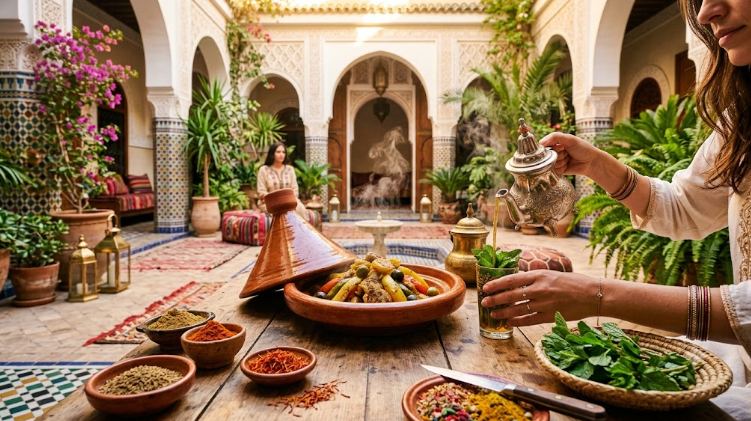
A Marrakech riad cooking class with mint tea offers more than a recipe—it provides a window into Moroccan culture through aroma, technique, and shared hospitality. From learning the logic behind spice combinations to mastering the comfort of a well-poured glass of mint tea, you’ll gain both practical skills and a deeper sense of place.
If you want a memorable Morocco experience that you can take home, book your session, step inside the riad, and let Marrakech teach you how to cook with heart.