

Travel to Morocco: The Ultimate Best Time Guide
- Morocco Guide Travel Tips
 Maroc Fans
- 1
- 18 minutes read

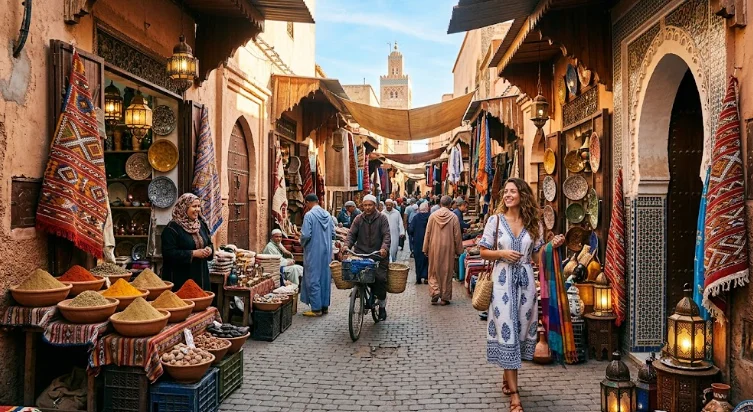
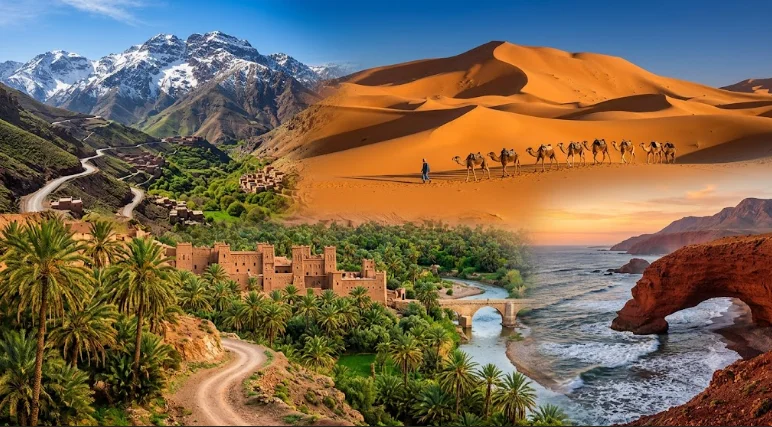
Morocco is a country where you can stand on a sun-drenched Atlantic beach in the morning, hike through a snow-dusted mountain pass by afternoon, and sleep under a star-filled Saharan sky by night. If you plan to travel to Morocco, you will quickly realize that because its geography is so dramatically diverse—spanning coastlines, rugged mountain ranges, and expansive sand dunes—there is no single “perfect” date to pack your bags.
Therefore, when you plan your travel to Morocco, the best time to visit depends entirely on what you want to experience, which regions you want to explore, and how well you handle the heat or the cold. This comprehensive guide breaks down the Moroccan climate by season, month, and region so you can organize your next journey with absolute confidence.
The Ultimate Verdict: When to Travel to Morocco?
For the vast majority of tourists, the absolute best windows to travel to Morocco are Spring (March to May) and Autumn (September to November). During these specific shoulder seasons, the weather across the country is beautifully balanced. Consequently, you will easily avoid the blistering, suffocating heat of the summer months as well as the bone-chilling, rainy nights of mid-winter.
- Spring (March–May): The countryside is lush, green, and blanketed in wild blossoms following winter rains. Furthermore, temperatures hover pleasantly between 15°C and 25°C (59°F to 77°F), creating perfect conditions for city sightseeing and mountain trekking.
- Autumn (September–November): As the intense summer heat breaks, clear blue skies and pleasant breezes return. As a result, it becomes an exceptional window for deep-desert excursions and exploring historic medinas comfortably.
Morocco Travel Seasons At a Glance
To give you a quick bird’s-eye view before you travel to Morocco, here is a breakdown of the typical travel seasons:
| Season | Months | Weather Conditions | Crowd Levels | Ideal For |
| Peak Season | Apr–May, Sep–Oct | Mild, warm days; cool nights; minimal rainfall. | Very High | Sahara treks, Imperial Cities, Atlas hiking. |
| Shoulder Season | Mar, Jun, Nov | Transitionary weather; unpredictable rain or fast-rising heat. | Medium | Budget-conscious travelers, coastal sightseeing. |
| Low Season | Dec–Feb, Jul–Aug | Extreme cold/snow in winter; intense heat inland during summer. | Low | Coastal escapes (Summer), empty medinas & budget riads (Winter). |
Seasonal Breakdown for Your Travel to Morocco
1. Spring (March to May) — The Golden Window
Spring is arguably the time when Morocco shows off the most. By April, the winter chill has completely dissipated, and the snow melting off the High Atlas Mountains feeds rushing rivers, which turns valleys incredibly green.
If your main goal is to travel to Morocco to wander the labyrinthine souks of Marrakech or the ancient tanneries of Fes, this is undeniably the most comfortable time to do it. Moreover, in May, you can head toward the Dades Valley to witness the famous Rose Festival in Kelaat M’Gouna, where millions of Persian roses are harvested, filling the entire valley with an intoxicating scent.
Traveler Note: Because spring offers near-flawless weather across all landscapes, it is the busiest time of year. Therefore, high-end riads, popular desert camps, and boutique tours book out months in advance.
2. Summer (June to August) — Coastal Escapes
In contrast, summer inland is completely unforgiving. In July and August, cities like Marrakech and Fes regularly see temperatures soaring past 40°C (104°F) in the shade, while the Sahara Desert turns into a literal oven, reaching a dangerous 45°C+ (113°F). Medinas become suffocating by midday; hence, many desert camps close down completely.
However, you can still successfully travel to Morocco during summer if you pivot your itinerary toward the coast or the highest peaks. The Atlantic and Mediterranean coastlines enjoy refreshing marine breezes. For instance, cities like Essaouira, Tangier, and Agadir stay pleasantly warm—usually averaging around 25°C to 28°C (77°F to 82°F). Summer is also prime time for experienced hikers aiming to summit Mount Toubkal, North Africa’s highest peak, as a smart way to escape the lowland heat.
3. Autumn (September to November) — The Harvest Rebound
Fortunately, September brings a welcome relief from the summer glare. While the Sahara remains warm, the rest of the country cools down into a crisp, gorgeous autumn.
October is widely considered a postcard-perfect month to plan a travel to Morocco trip. The light is soft and beautiful—a dream for photographers—and it additionally marks the vibrant date harvest season in the southern oases like Skoura and Erfoud. By November, the air turns distinctly cooler, and you will need to pack layers as the initial winter rains begin to fall on the northern coast.
4. Winter (December to February) — Budget Travel to Morocco
There is a common misconception that North Africa is universally hot year-round. In reality, winter brings a stark reminder of the local saying: “Morocco is a cold country with a hot sun.”
While daytime temperatures in Marrakech can be sunny and hover around a comfortable 18°C (64°F), the moment the sun dips below the horizon, temperatures plummet. Traditional Moroccan riads are architecturally designed to trap cool air out of respect for summer heat; meaning they can feel like iceboxes in January if they lack internal heating.
Winter is highly unpredictable, as you might experience bright winter sun or days of heavy downpours. Nevertheless, the major perk is that crowds vanish, and luxury accommodations slash their prices dramatically for those who choose to travel to Morocco in the off-season.
Regional Guide: Weather Tips to Travel to Morocco
Because Morocco’s microclimates vary drastically by latitude and altitude, you must match your timing to your specific geographical path.
The Imperial Cities (Marrakech, Fes, Rabat)
- Best Months: April, May, September, October.
- What to Know: Inland imperial medinas are tight, stone-walled labyrinths that trap heat in summer and damp chill in winter. To comfortably explore architectural wonders like the Bahia Palace without physical exhaustion, stick strictly to the mid-season windows.
The Sahara Desert (Merzouga & Zagora)
- Best Months: October to November, and March to May.
- What to Know: The Sahara is defined by brutal thermal swings. In March and October, daytime is warm enough for a comfortable camel ride, whereas winter nights in the dunes frequently drop below freezing (0°C / 32°F). Thus, avoid July and August entirely.
The Atlantic & Mediterranean Coasts
- Best Months: June to September.
- What to Know: If your primary goal when you travel to Morocco is to relax by the sea or surf the famous Atlantic swells in Taghazout, the summer months are phenomenal. Keep in mind, however, that the Atlantic coast experiences a unique phenomenon known as cielo blanco (white sky)—a dense marine fog that blankets the beaches on summer mornings before burning off by mid-afternoon.
Culture and Festivals: When to Travel to Morocco
When choosing when to travel to Morocco, weather isn’t the only factor; cultural and religious calendars play a massive role in your day-to-day experience.
Traveling to Morocco During Ramadan
Morocco is an Islamic country, and the holy month of Ramadan shifts roughly 10 to 11 days backward every year on the lunar calendar. During this holy time, Muslims fast from dawn until sunset.
- The Reality: To travel to Morocco during Ramadan is incredibly unique but requires patience. Many local cafes and historical sites operate on reduced hours or close entirely during the day. Non-Muslims are absolutely not expected to fast, but eating, drinking, or smoking in public spaces during daylight hours is considered disrespectful.
- The Reward: As sunset (Iftar) approaches, the energy changes completely. The streets fill with celebratory life, traditional music echoes through the squares, and you get to witness the profound warmth of Moroccan hospitality firsthand.
Summary Checklist to Travel to Morocco
To help you lock down your dates, choose the profile that matches your travel style best:
- The First-Timer (The “See It All” Trip): Aim for April or October. You will get comfortable medina walking, safe mountain passes, and stunning desert camping weather.
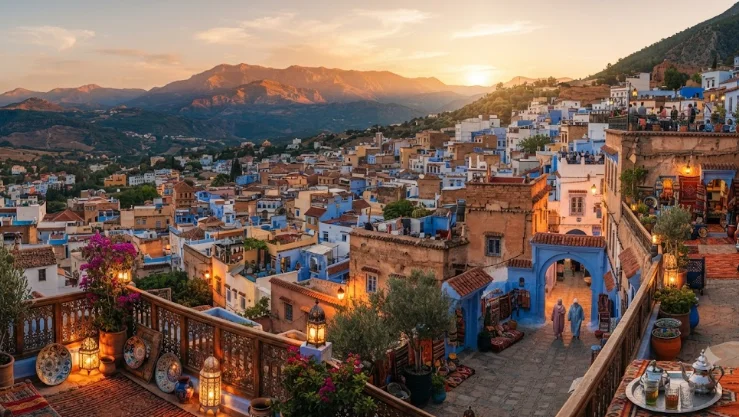
- The Budget Backpacker: Aim for January or February. Grab heavy layers for the evenings, enjoy having the blue streets of Chefchaouen largely to yourself, and book luxury riads at a fraction of their normal price.
- The Beach Lover & Surfer: Aim for July or August for warm waters and cool sea breezes, or November to March if you are looking for the absolute biggest winter swells on the Atlantic coast.
No matter which month you choose to travel to Morocco, the magic of the country—its rich aromas, intricate geometric tilings, and legendary hospitality—remains entirely timeless.
Frequently Asked Questions (FAQ)
1. What is the single hottest month to travel to Morocco?
August is historically the hottest month of the year. Inland cities like Marrakech routinely see temperatures climbing past 40°C (104°F), and the southern desert areas become dangerously hot for outdoor exploration.
2. Does it snow when you travel to Morocco in winter?
Yes! Many first-time travelers are surprised to learn that Morocco sees significant snowfall. The High Atlas and Middle Atlas mountain ranges experience heavy snow from late November through March. Morocco even boasts a dedicated ski resort called Oukaïmeden, located about 80 kilometers south of Marrakech.
3. When is the best time to travel to Morocco for a Sahara trek?
The absolute best months for a Saharan desert trek are October, November, March, and April. During these periods, daytime temperatures are warm and pleasant, and night temperatures are manageable. Summer is intensely hot, and winter nights frequently drop below freezing.
4. Is it safe or worth it to travel to Morocco during Ramadan?
It is completely safe and incredibly rewarding culturally, but it does change the logistics of your trip. You must be prepared for adjusted monument hours, closed local daytime restaurants, and slower transportation schedules. Therefore, if you are a flexible traveler who respects local traditions, it is a beautiful time to visit.
5. What should I pack if I travel to Morocco in the winter?
You must pack versatile layers. While daytime can feel like a mild spring day, mornings and evenings are cold. Consequently, bring a wind-resistant jacket, warm sweaters, thermal underwear if you plan to stay in rural areas, and thick socks, as traditional tiled floors can feel very cold.
6. When is the rainy season if I travel to Morocco?
Morocco’s rainy season typically runs from November through February, with rainfall peaking in December and January. Rain is much more frequent in the north (like Tangier and the Rif Mountains) and along the coast, while the south remains predominantly arid.
1 Comment
[…] For a month-by-month comparison, read our best time to travel to Morocco guide. […]