

Fes Hidden Riad Food Crawl: Ramadan Nights Guide
- Morocco Fans
 Maroc Fans
- 0
- 9 minutes read

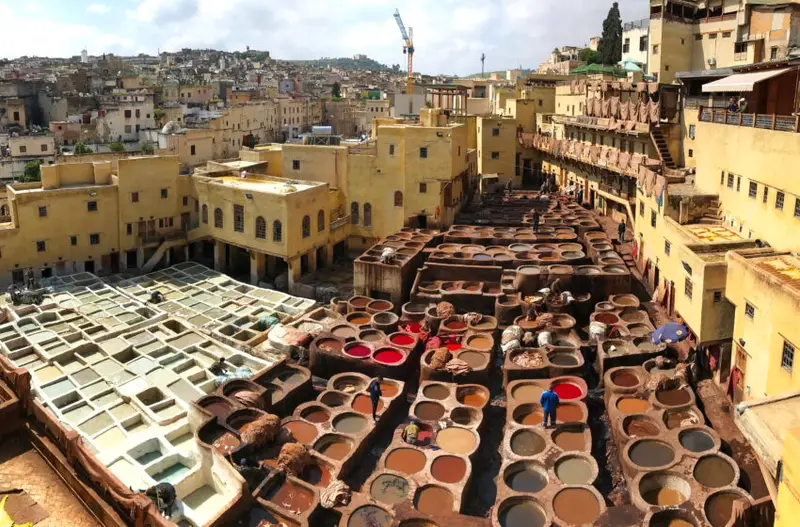
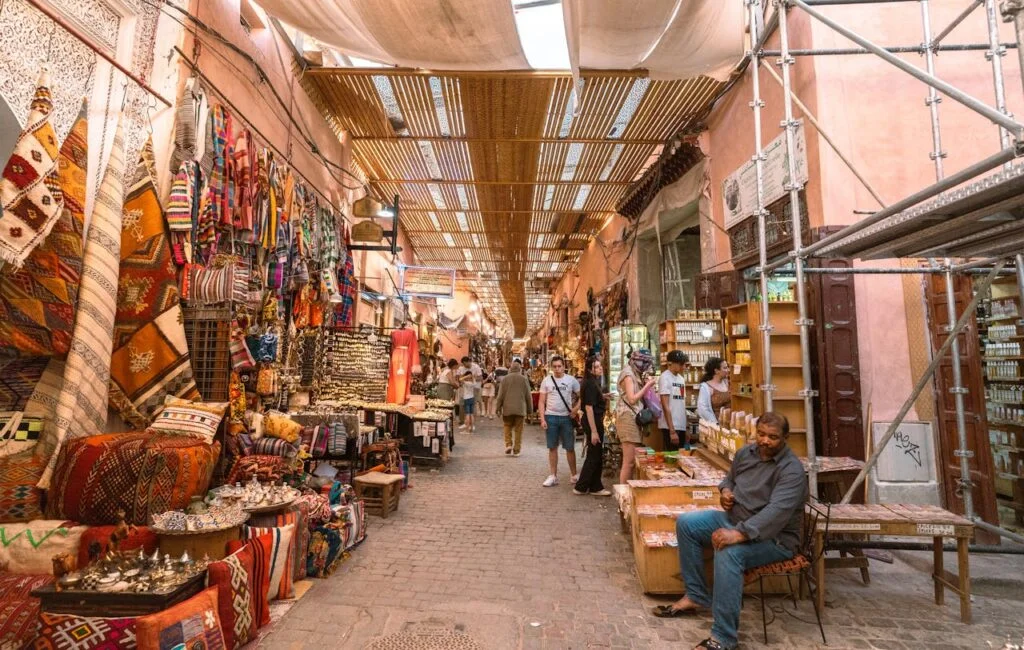
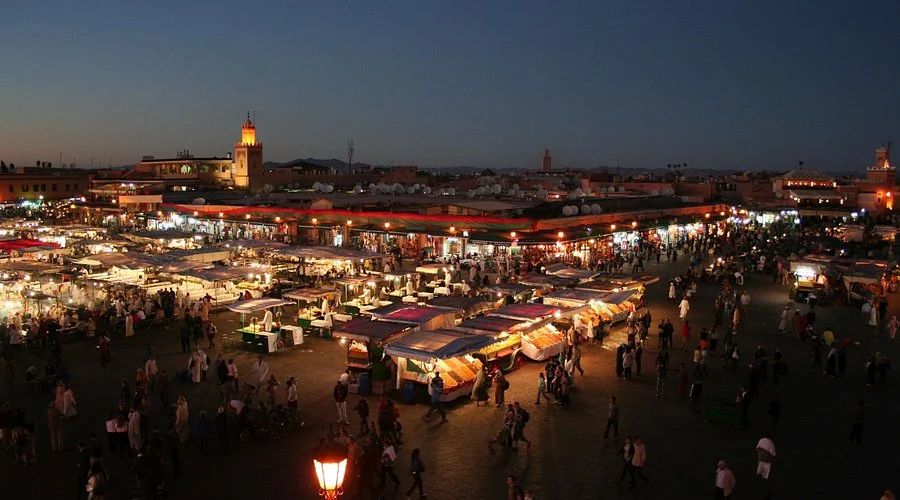
Ramadan nights in Fes feel like a living tapestry—lantern light in the medina lanes, kettles singing on doorsteps, and the warm rhythm of families gathering after sunset. If you want to experience the city beyond the obvious addresses, a hidden riad food crawl is the tastiest way to do it: private courtyards, shared plates, and small courses that reveal how Fassi hospitality is truly practiced.
Why a riad food crawl is the perfect Ramadan experience
During Ramadan, Fes becomes more than a destination—it becomes a community table. Many riads host intimate meals and offer guest-friendly tasting moments, especially on quieter nights when the medina is at its most atmospheric.
A food crawl through these tucked-away riads lets you sample the variety of Fassi cooking in a guided, low-stress way. Instead of one long restaurant session, you move between courtyards, flavors, and hosts—often with the same sense of welcome, but with different specialties.
What to eat in Fes on Ramadan nights
Fassi menus during Ramadan blend tradition, comfort, and careful timing. Expect dates and sweet starters, savory soups, and hearty dishes that feel especially satisfying after a day of fasting.
Here are the kinds of dishes that commonly appear in riad-hosted meals and tastings:
- Harira (lentil-and-chickpea soup with herbs and warm spices)
- Chebakia (honeyed sesame pastry with a deep, caramel flavor)
- Seffa (often a fragrant wheat-and-sugar or savory preparation, depending on the household)
- Pastilla (pigeon or chicken version; crisp layers with cinnamon-scented sweetness)
- Tagines such as lamb with preserved lemon, or chicken with olives
- Breads and msemen (stacked, flaky comfort served with butter or honey)
How the courses typically flow after iftar
While every home and riad is different, a common pattern is a quick first bite, a warming soup, then something substantial. You may also find tea at intervals—because in Fes, conversation and minty hospitality are part of the meal.
Even when courses are informal, hosts often pace the experience to match the night’s energy, making it feel both special and unhurried.
Planning your hidden riad food crawl
The most memorable crawls feel effortless, which is why planning matters. In the medina, streets can be narrow, signage limited, and traffic unpredictable. A well-structured route helps you move safely and arrive without feeling rushed.
Choose the right night and timing
For Ramadan nights, aim to start around the late-evening window when the medina is lively but manageable. Iftar timing varies slightly depending on the moon and local schedule, so your host or guide should confirm the exact start.
Many tastings work best when you build in time for a short walk between riads—enough to enjoy the lights and smells, not so much that you arrive hungry before the next stop.
Find a local guide—or book through trusted riad partners
A “hidden” crawl depends on relationships. Look for guidance that emphasizes small groups, cultural context, and introductions to hosts. The goal is not a checklist of dishes; it’s access to lived-in hospitality.
If you book directly with riads, ask if they can coordinate a tasting route. Some riads keep Ramadan meals intimate and may offer a curated evening plan for visitors.
Keep your group small and your expectations flexible
In Fes, the charm comes from unpredictability: an extra cup of tea, a second taste of sweets, or a spontaneous conversation with the family. A smaller group makes it easier for hosts to accommodate you and for your crawl to stay smooth.
A sample itinerary for a Ramadan night crawl in Fes
Below is a practical framework you can adapt. It assumes you’ll taste rather than fully dine at each stop, with enough variety to feel like a journey.
Stop 1: Sweet welcome and mint tea in a riad courtyard
Your evening often begins with the warmth of a first hospitality moment—tea poured slowly, accompanied by dates and one or two traditional sweets. It’s the perfect reset after travel and a gentle introduction to Fassi flavors.
Don’t be surprised if the tea is served with a calm rhythm; the point is to settle into the atmosphere before moving deeper into the medina.
Stop 2: Harira and a savory starter
Next comes something comforting and warming. Harira is a common star, and it pairs well with bread or small bites. In some riads, you’ll also find a light pastilla-style appetizer or a seasonal vegetable preparation.
This stop usually sets the tone—spiced, herbal, and deeply satisfying.
Stop 3: Main flavors—tagine or layered pastry
At a third riad, you’ll likely encounter the heart of Fassi cooking. A tagine—especially with preserved lemon, olives, or slow-cooked lamb—delivers a slow, aromatic depth. Alternatively, you may get a tasting of layered pastry like pastilla, where cinnamon and savory spice create a memorable contrast.
If you have dietary preferences, this is the best stage to request adjustments.
Stop 4: Crumbly sweets and a final sip
As the night progresses, Fes leans into indulgence. Expect honeyed pastries such as chebakia or softer bites like msemen with butter and honey. A last round of mint tea helps you digest and refresh.
Some hosts finish with a small digestif or another warm drink—especially on cooler evenings near the end of Ramadan.
How to navigate etiquette and tasting like a respectful guest
Ramadan hospitality is generous, but it’s also deeply rooted in respect. Simple etiquette makes a difference and helps you enjoy the evening without awkwardness.
- Dress comfortably and modestly, especially when entering private homes and courtyards.
- Ask before photographing people, hands pouring tea, or dishes prepared by the household.
- Be ready to try small portions—a crawl is about variety.
- Honor timing: meals and breaks may follow the household’s pace.
- Communicate allergies clearly before the night begins.
Dietary needs: what to tell your host
If you’re vegetarian, avoid certain ingredients, or have allergies, don’t wait until the first dish arrives. Tell your guide and the riad ahead of time. Moroccan kitchens can adapt, but only if they know what to prepare and what to avoid.
For example, some dishes may contain dairy, eggs, or meat broths, even when the main ingredient looks plant-based.
Where the “hidden” part usually happens in Fes
The best riad crawls often unfold in the oldest quarters, where courtyards open off narrow passages. You’ll notice the shift from street activity to the quiet hush inside: tiled walls, carved wood, and the gentle clink of cups.
Instead of chasing a single landmark, focus on how the medina feels during Ramadan—how the lanes glow and how scents drift from doorways. Your route will guide you to places that feel naturally connected to the city, not staged for visitors.
Practical tips to make your night smooth
A great crawl balances flavor with comfort. With a few simple preparations, you’ll enjoy the night more and worry less.
- Wear supportive shoes for uneven steps and medina crossings.
- Bring a light layer—even warm cities cool down at night.
- Carry small cash for tips and incidental purchases.
- Arrive a little early so your guide can coordinate introductions.
- Stay hydrated before iftar and pace your tastings.
Conclusion: taste Fes the way Ramadan wants you to
A hidden riad food crawl in Fes is more than a meal route—it’s an invitation into Ramadan’s daily rhythm. You’ll taste the city’s best-loved dishes, but you’ll also experience the warmth behind them: tea offered with patience, flavors shared with pride, and courtyards that hold stories as well as spices.
If you choose a trustworthy guide, keep your group small, and approach the night with curiosity, your Ramadan evening in Fes can become one of your most cherished Morocco memories.