

Morocco Fes: Moroccan Cooking Class & Best Riad Dishes Tips
- Moroccan cuisine Moroccan Culture Morocco Guide
 Maroc Fans
- 0
- 20 minutes read

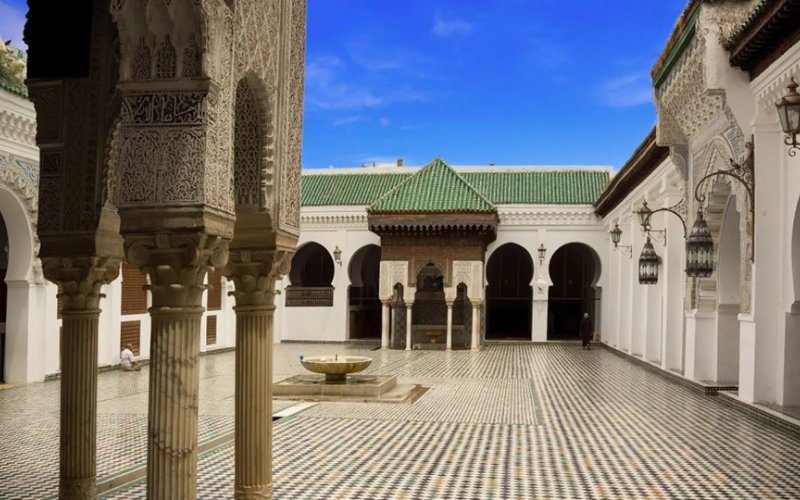
Fez is one of Morocco’s most captivating cities, where the old medina streets seem to lead you straight into everyday life. If you want to understand Moroccan culture beyond the monuments, a Moroccan cooking class in a riad is one of the tastiest ways to do it. With the warm hospitality of a Fez host and the aromas of cumin, preserved lemon, and freshly baked bread, you’ll learn how classic dishes come together—from technique to taste.
Why choose a cooking class in a Fez riad?
Cooking in a riad feels intimate and authentic. These traditional guesthouses are designed around courtyards, with kitchens that often reflect the rhythms of family meals. You’ll usually start with ingredients sourced from local markets, then cook in a space that’s calm, practical, and culturally grounded.
In Fez, this experience is also deeply connected to craft. Expect guidance on spice handling, dough texture, and simmering times—skills that go beyond recipes. Many classes emphasize the “why” behind each step, so you can recreate flavors at home.
What to expect: market stroll to mint tea
Most classes follow a satisfying flow. You may begin with a short visit to a neighborhood souk, focusing on the staples of Fez Moroccan cooking. Then you’ll head back to the riad kitchen, where you’ll prep, cook, and plate your dishes with help from your instructor.
A typical class timeline
- Warm welcome and tea: Often Moroccan mint tea with a small snack.
- Ingredient check: You’ll see and learn what each key ingredient does.
- Hands-on prep: Chopping, seasoning, forming dough, and marinating.
- Cooking and simmering: Tagines, stews, and braises with timed guidance.
- Finishing touches: Garnishes, sauces, and spice balancing.
- Shared meal: Eating together in the riad courtyard or dining area.
Best riad dishes to look for in a Fez Moroccan cooking class

The Food of Morocco – Paula Wolfert (Authentic Moroccan Cookbook)
Discover authentic Moroccan cuisine with this bestselling cookbook. Learn traditional recipes, cooking techniques, and recreate rich flavors from Fes, Marrakech, and beyond.
- ✔ Authentic Moroccan recipes
- ✔ Traditional cooking techniques
- ✔ Perfect for beginners & food lovers
- ✔ Great gift idea
✔ Secure payment via Amazon
Not every class teaches the same menu. To get the most memorable experience, look for dishes that are iconic in Fez and representative of Moroccan cooking. Here are some of the best “riad-friendly” dishes you’ll likely encounter.
1) Zaalouk (smoky eggplant salad)
Zaalouk is a comforting starter made from slow-cooked eggplant and tomatoes, often finished with olive oil, garlic, cumin, and a touch of chili. In a class, you’ll learn how to cook the eggplant until it becomes silky rather than watery.
It’s also a great introduction to Moroccan seasoning. If your instructor shows how they taste and adjust salt and spices, take notes—this is where flavor comes alive.
2) Pastilla (savory-sweet pie)
Pastilla can feel like Moroccan celebration food, yet it’s also found in home kitchens. Typically made with chicken (or pigeon in traditional variations), aromatic spices, and a balance of sweet and savory, it’s finished with dustings of powdered sugar and cinnamon.
Ask if your class covers both the filling and the layering technique. The crispness of the pastry depends on careful assembly and the right oven or pan timing.
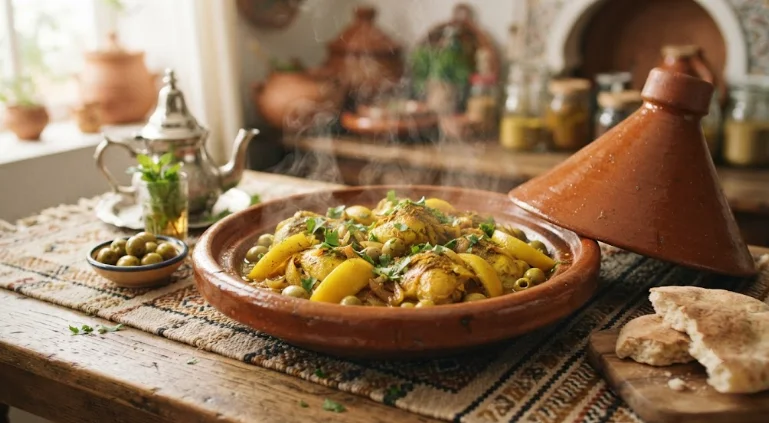
3) Tagine of preserved lemon and olives
This dish is a signature Moroccan combination: preserved lemon’s tang plus briny olives creates depth in every spoonful. You’ll likely learn how to soften the preserved lemon and how to avoid bitterness while keeping the tang bright.
In a riad setting, tagines cook gently, and your instructor can guide you on when to add herbs like cilantro or parsley for a fresher finish.
4) Couscous (with vegetables and slow-cooked sauce)
Couscous is the heart of Moroccan comfort food. In many Fez classes, you’ll learn how to treat the grains—so they stay light—and how to build a flavorful broth with seasonal vegetables.
Even if your class doesn’t include steaming every step from scratch, a good instructor will show how to flavor the base with spices such as ras el hanout, cumin, and saffron (when available).
5) Chicken with prunes and almonds
Fez Moroccan cooking often embraces sweet notes in savory dishes. Chicken with prunes and almonds is a prime example: tender chicken, glossy fruit, warm spices, and crisp almonds for texture.
Look for a class that teaches the sauce reduction. That final thickening step creates the “sticky” glaze that makes the dish unforgettable.
6) Harira or lentil-based soup
During cooler evenings, many riads serve a warming soup as either a starter or a light main. Harira—often made with lentils, tomatoes, herbs, and warming spices—teaches you how Moroccan cooks layer flavor gradually.
If your class includes it, pay attention to herb timing and thickening methods. The difference between bland and bold is usually in the final adjustment.
7) Traditional bread and dough skills
Even a simple bread lesson can elevate the class. Some instructors demonstrate how to prepare Moroccan dough, shape it, and bake it until it’s aromatic and golden.
If there’s a practical bread segment, you’ll likely enjoy tasting it fresh from the oven or shared immediately with olive oil and herbs.
Tips to get the most from your Fez cooking class
To fully benefit, treat the session like a hands-on workshop rather than a passive meal. Small habits make a big difference in how much you remember later.
Ask these questions before you begin
- Which dishes are included? Confirm the full menu so you know what to expect.
- Do you visit a market first? Market insight adds context to the ingredients.
- Are there vegetarian options? Many classes can adapt for dietary needs.
- How spicy is the menu? Moroccan heat varies; you can often adjust.
- Will I get the spice guide? Some hosts share recommended blends and quantities.
Bring the right mindset (and a few practical items)
- Arrive hungry and curious: You’ll taste as you cook, so a light snack beforehand helps.
- Wear comfortable clothing: Cooking stations can be warm and active.
- Plan to take notes: Write down key timings and seasoning adjustments.
- Use tasting as a tool: If offered, taste the sauce at different stages to learn flavor progression.
How to master Moroccan flavor balance
Moroccan dishes often depend on balance—salt, acidity, sweetness, and spice must work together. Preserved lemon, tomatoes, and herbs introduce brightness, while slow cooking builds depth.
When you taste during the class, notice how sweetness appears (like in prune-based dishes) and how cinnamon or ras el hanout changes the mood of a meal. If you learn when to add spices—early for depth or later for aroma—you’ll be able to cook more confidently later.
Best practices for choosing a class that fits your style
The Food of Morocco – Paula Wolfert (Authentic Moroccan Cookbook)
Discover authentic Moroccan cuisine with this bestselling cookbook. Learn traditional recipes, cooking techniques, and recreate rich flavors from Fes, Marrakech, and beyond.
- ✔ Authentic Moroccan recipes
- ✔ Traditional cooking techniques
- ✔ Perfect for beginners & food lovers
- ✔ Great gift idea
✔ Secure payment via Amazon
Not all experiences are equal. Some focus more on pastry and bread, while others center on stews and tagines. Your ideal class depends on what you want to bring home: technique, flavors, or a complete set of classic dishes.
Choose based on what you love eating
If you enjoy hearty, saucy comfort, prioritize couscous and tagines. If you prefer aromatic, spiced starters, look for zaalouk and soup lessons. For a true “Fez wow” moment, pastilla is often the standout.
Also consider class size. Smaller groups typically allow more personal instruction, especially during breadwork and pastry assembly.
What to do after class: recreate Fez flavors at home
Once you leave the riad, your memories will fade faster than your flavors unless you anchor them with simple steps. Start by recreating one dish—something you practiced thoroughly, like zaalouk, chicken with prunes, or a preserved-lemon tagine.
If possible, ask about spice quantities and substitutions. Moroccan blends vary by household, but the underlying technique is consistent: toast spices lightly, simmer patiently, and finish with herbs for freshness.
A local cooking class in a Fez riad is more than a meal—it’s a gateway into Moroccan cooking culture, where technique and hospitality travel together. By choosing a class that teaches iconic riad dishes such as zaalouk, tagines with preserved lemon and olives, couscous, pastilla, and prune-and-almond chicken, you’ll learn how flavors are layered and balanced. Go in curious, ask questions, taste as you cook, and you’ll leave with both a full table and the skills to bring that Fez warmth back to your own kitchen.