
World Cup 2026: How to Experience Morocco’s Football Culture
- Atlas Lions Moroccan Sport Morocco Guide World Cup 2026
 Maroc Fans
- 0
- 16 minutes read

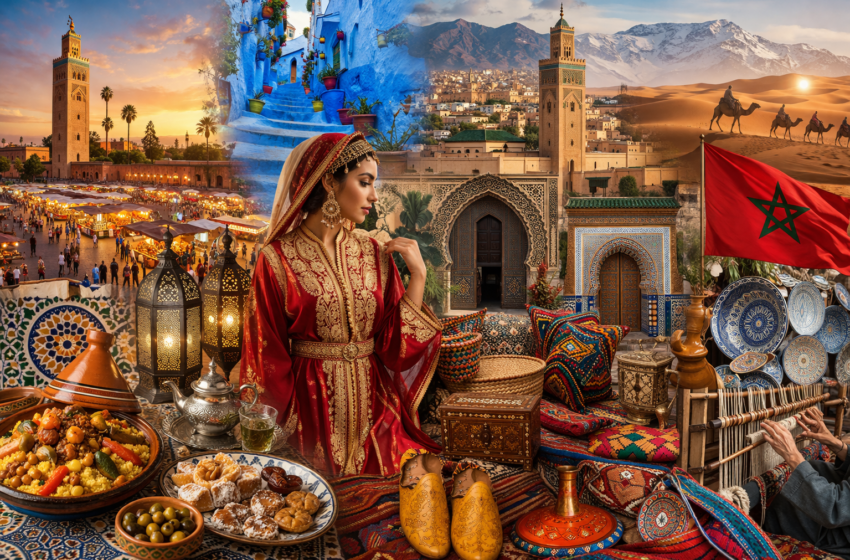
Morocco’s football story has become impossible to ignore ahead of the World Cup 2026, and for travelers it adds a thrilling layer to an already unforgettable destination. Beyond the stadium lights and matchday noise, Morocco offers a country where history, craft, and community pulse in the same rhythm. From bustling medinas to Atlantic winds and mountain roads, you can feel how pride and passion are woven into everyday life—especially in cities where football has turned into a shared language.
If you’re planning a trip that mixes sightseeing with a deeper sense of place, Morocco rewards you at every turn. Think of this as a travel guide to experiencing the country through its modern energy, local spirit, and the cultural momentum that helps make Moroccan sport feel world-class.
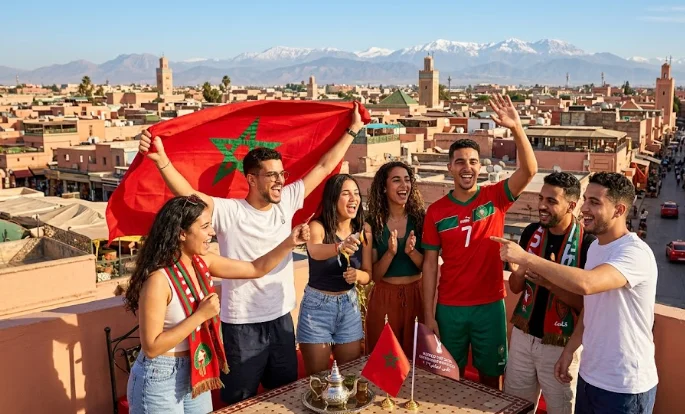
Morocco’s football spirit: more than a game
In Morocco, football isn’t confined to matchday. It’s discussed in cafés, debated on street corners, and celebrated through neighborhood rituals. The sport reflects something broader: a national appetite for talent, resilience, and reinvention.
Large cities like Casablanca and Rabat feel especially electric, but the passion travels well. Even in smaller towns, you’ll notice how quickly locals rally around the same clubs, the same players, and the same moments.
Where to feel the World Cup 2026 buzz
While your itinerary should still be driven by the sights, it helps to schedule your days around the energy of the places you visit. Consider arriving early, exploring on foot, and lingering in lively districts where conversation flows.
- Casablanca: A fast-moving atmosphere, modern landmarks, and a distinctly confident vibe.
- Rabat: A more measured pace with a civic feel—ideal for combining culture with sport.
- Marrakesh: High heat, high color, and an unmatched sense of celebration.
- Fès: Historic depth that makes every local tradition feel meaningful.
- Agadir: Coastal relaxation with a welcoming, community-focused rhythm.
Casablanca and Rabat: modern Morocco with matchday energy
Casablanca is where you’ll see Morocco’s contemporary face most clearly. The city’s scale, architecture, and momentum make it a strong base for visitors who want both urban experiences and a sense of sporting ambition.
Rabat, meanwhile, offers a calmer counterpart. It’s easier to slow down here—perfect for museum visits, waterfront strolls, and evenings that feel more relaxed before the city’s nightlife kicks in.
Easy ways to plan around local World Cup 2026 rhythms
To get the most out of these cities, aim for flexible days. Morocco’s best moments often happen when you leave room for discovery.
- Start with an early walk through iconic streets and viewpoints.
- Use midday for slower indoor experiences—especially in summer.
- Finish the day in social hubs where locals gather.
- If you can, check local schedules for public screenings or events.
Marrakesh: culture, craft, and electric World Cup 2026 evenings
Marrakesh can overwhelm you—in the best way. Its colors, aromas, and movement make it feel like the city is always “on.” That energy pairs naturally with the enthusiasm that surrounds Moroccan sport as the country prepares for the World Cup 2026.
Even when you’re not thinking about football, you’ll notice how locals celebrate life: with music, conversation, and shared gatherings. When the country’s sporting heartbeat rises, Marrakesh becomes a stage for that joy.
How to experience Marrakesh like a local
Instead of rushing through highlights, build your day around neighborhoods. Walk until you find your own favorite corners, then return later for a different mood.
- Explore the medina early to catch quieter streets and better light.
- Spend time in artisan areas—handcrafted goods are part of Morocco’s identity.
- Plan a sunset moment: a rooftop, a garden, or a viewpoint works wonders.
- Keep dinner flexible; a spontaneous recommendation can be the best one.
Fès: historic depth and the road to the World Cup 2026
Fès brings a different flavor: older, denser, and steeped in tradition. The city’s winding medina can slow your pace, making it easier to understand Morocco’s long cultural memory.
When you then hear about modern progress—training programs, youth development, and rising talent ahead of the World Cup 2026—it lands with more weight. You’re not only visiting a place; you’re stepping into a system of knowledge that has been evolving for centuries.
Pairing old-world sights with modern perspectives
To connect Fès’ past with its present, balance heritage visits with moments of contemporary street life.
- Choose one deep-history attraction per day, not three.
- Plan a guided walkthrough for the medina if you want deeper context.
- Take breaks in local cafés where you can watch everyday life.
- In the evening, look for social spaces where conversation feels lively.
The Atlas Mountains: the scenic route for World Cup 2026 fans
Part of Morocco’s appeal is how quickly your landscape changes. Between cities, the country opens up into dramatic mountain scenery, fertile valleys, and sweeping coastal views.
Whether you’re traveling by car, bus, or train where available, the journey itself becomes part of the story. You’ll pass towns where people still build community the old-fashioned way—by gathering, sharing, and cheering together.
Best road-trip mindset
Instead of treating transit as downtime, treat it like sightseeing. Morocco’s viewpoints and roadside stops are often where you meet the most memorable people.
- Stop for short walks at scenic overlooks and local viewpoints.
- Ask about regional snacks—tiny tastings can become highlights.
- Plan your nights around city hubs or well-located towns for convenience.
- Keep evenings open for spontaneous invitations or local events.
Atlantic coast: Agadir and beyond for a different kind of excitement
If the medina thrill is Morocco’s heartbeat, the Atlantic coast is its breath. Agadir and nearby coastal areas offer a more relaxed atmosphere, with long walks, fresh seafood, and a gentler pace that still feels lively.
Here, you can reset between longer cultural stretches. And when match excitement builds, coastal towns often share that joy through community gatherings and festive conversation.
What to do by the water during the World Cup 2026 season
Keep plans simple and flexible. The coast is best experienced slowly.
- Take an early morning promenade for cooler temperatures.
- Try local seafood with a view—coastal dining is a mood.
- Balance beach time with a market visit so you can bring flavors home.
- Look for cultural events or live music nights during your stay.
Travel tips for an easy, immersive Morocco itinerary
Morocco is welcoming, but preparation makes the experience smoother—especially when combining city sightseeing with a sports-focused mindset. Simple choices help you stay comfortable and open to spontaneous moments.
Practical guidance for your World Cup 2026 trip
- Dress for the day: bring breathable layers and carry a light cover-up for evenings.
- Plan for heat: in warmer months, prioritize mornings and late afternoons.
- Use local transport wisely: short rides can be more efficient than long walks in peak heat.
- Stay hydrated: Morocco’s sun can feel intense, even when you’re not expecting it.
- Choose guides when helpful: for medinas and complex routes, guidance can save time and add context.
Most importantly, keep your schedule adaptable. The best travel days in Morocco often happen when you follow curiosity rather than a rigid checklist.
Feel Morocco’s momentum, one neighborhood at a time
Morocco’s football rise is about more than results—it’s a reflection of community drive, local talent, and a country that’s energized by progress. As a traveler during the World Cup 2026 era, you’ll feel that momentum everywhere: in crowded markets, in café conversations, in the way people gather and celebrate.
Build your trip around cities with distinct moods—Casablanca’s confidence, Rabat’s balance, Marrakesh’s excitement, Fès’ depth, and the coast’s calm. Then add room for the unexpected. That’s how you experience Morocco at full volume: not just seeing places, but sharing in the pride that makes the country feel truly alive.