

Can the Atlas Lions Conquer the World Cup 2026?
- Atlas Lions Moroccan Sport Morocco Guide World Cup 2026
 Maroc Fans
- 0
- 11 minutes read

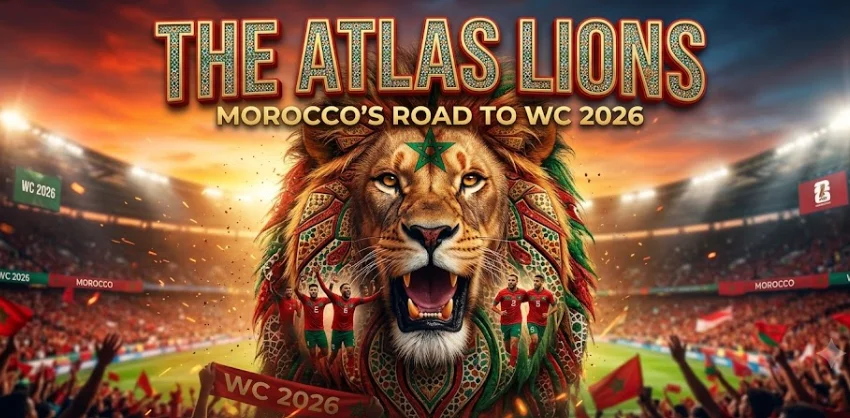
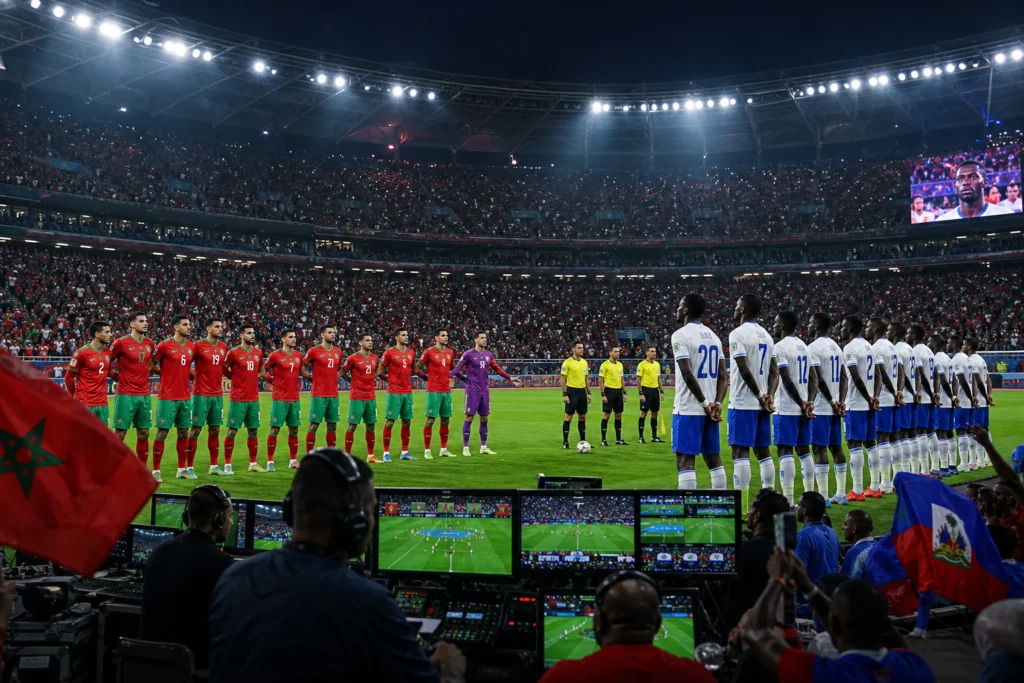
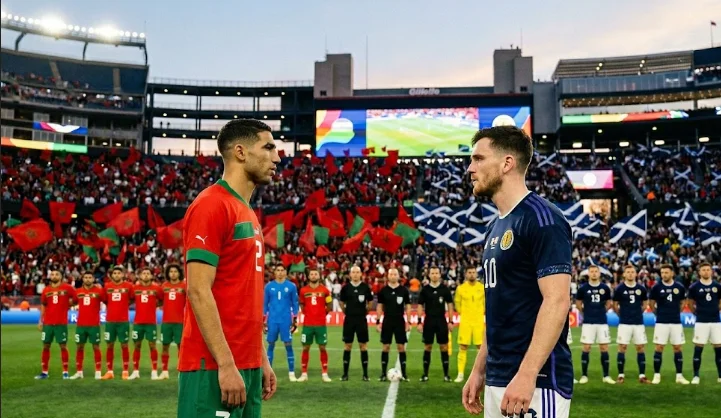
The tactical future of the Atlas Lions takes center stage as Morocco’s football story evolves. The spotlight increasingly focuses on the national team ahead of the FIFA World Cup 2026. Consequently, while domestic competitions shape day-to-day momentum, a broader question remains. How prepared is the squad to perform when the stakes rise? The pressure intensifies, and the margin for error shrinks.
Therefore, this article takes a Morocco-only lens on the direction of the Atlas Lions. We explore the challenges the team must navigate. In addition, we look at the practical implications influencing long-term preparation for 2026.
Why the Atlas Lions are back in the spotlight
In Morocco, football is more than matchday entertainment. It is a national conversation. The Atlas Lions carry that massive expectation. As a result, every development around team selection, style of play, and player readiness becomes part of a wider debate.
Heading into the World Cup cycle, the key is not just talent. It is tactical coherence. Thus, the main goal is turning potential into collective performances against high-level opponents.
What matters most for the Atlas Lions’ 2026 build-up
Preparing for a World Cup requires more than a strong starting XI. Indeed, the priorities for the Atlas Lions revolve around consistency, depth, and structural discipline.
Squad stability for the Atlas Lions
Selection patterns heavily influence the group’s rhythm. When players perform in familiar roles, chemistry grows. However, when rotation is too abrupt, cohesion can suffer. Details always decide tournament outcomes.
Match readiness of the Atlas Lions
Another crucial factor is fitness. The team benefits when players arrive with meaningful minutes in their legs. Furthermore, a strong domestic environment helps reduce the early settling-in phase.
Tactical flexibility under pressure
At the highest level, the squad must adjust during games. This means altering pressing intensity or shifting the attacking tempo. The more flexible the team is, the better it can handle varied opponents.
Player development inside the Atlas Lions’ ecosystem
Morocco’s national team does not develop in isolation. On the contrary, it draws from a rich local ecosystem. Youth pathways, domestic clubs, and coaching expectations all contribute to what players bring to international competitions.
Value of roles within the Atlas Lions squad
International football demands absolute clarity. Players must understand what is expected of them defensively. They must also know their responsibilities in transitions. Consequently, when roles are stable, individual decision-making improves under pressure.
Depth beyond the Atlas Lions’ headline names
World Cup success depends on more than the most recognizable stars. For the team, building depth means ensuring that multiple options can perform at a similar level. Specifically, this requires:
- Reliable defensive balance when the game becomes chaotic.
- Creative continuity so attacks do not stall when opponents adjust.
- Fresh legs and strategic game management late in matches.
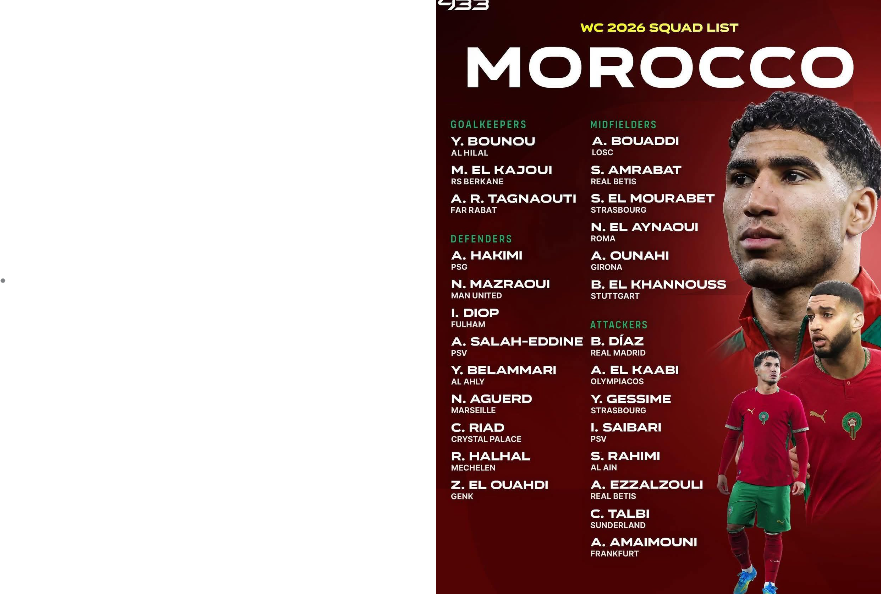
How momentum can shape the Atlas Lions’ approach
In a World Cup cycle, momentum is rarely accidental. It is built through results and the quality of performances. For the Atlas Lions, the challenge is converting learning moments into a clear identity.
Learning without losing identity
The team can benefit from testing variations without drifting too far from what works. Squads that keep their core principles tend to adapt much faster during tournament conditions.
Using high-level experiences wisely
Exposure to intense international matches helps players master emotional control. Therefore, when the squad gathers those experiences, the team becomes more comfortable with critical, match-deciding moments.
Expected challenges for the Atlas Lions on the road to 2026
The World Cup stage brings a distinct set of challenges. For the Atlas Lions, those hurdles include adapting to different playing styles and executing plans against strong tactical structures.
Consistency across different opponents
The ultimate test is to remain effective across a range of styles. In addition, international football rewards teams that can control the tempo and limit dangerous counterattacks.
Managing pressure and expectations
As the tournament approaches, expectations naturally rise. The Atlas Lions must handle the mental side of preparation. They need to stay focused and avoid reactionary decision-making after setbacks.
What Atlas Lions fans should watch next
Looking toward the 2026 horizon, Moroccan supporters will pay attention to team performance and selection choices. The most meaningful signs are visible in the details. Watch how the team builds attacks and defends space.
In practical terms, several themes are worth monitoring regarding the Atlas Lions:
- How the team maintains balance between defending and attacking phases.
- Whether roles remain clear when the line-up changes.
- The squad’s ability to adapt mid-game without losing control.
- Overall depth and the competitiveness of tactical replacements.
FAQ
What is the main focus for the Atlas Lions ahead of the World Cup 2026? The central focus is building a squad that combines cohesion, tactical clarity, and match readiness under tournament pressure.
How does Morocco’s domestic football influence the national team? Morocco’s domestic ecosystem helps develop players’ roles and competitive rhythm. This directly translates into better readiness for the Atlas Lions during international duty.
Why does depth matter for the World Cup cycle? Depth matters because tournament matches involve fatigue and unexpected game moments. A deeper squad allows the Atlas Lions to maintain performance levels easily.
What tactical qualities are especially important for the squad? Key qualities include defensive balance, effective transition play, and the ability to adapt during games without losing structural integrity.
Final Outlook on the 2026 Horizon
Morocco’s journey toward the World Cup 2026 is shaped by more than individual talent. For the Atlas Lions, the path to success depends on cohesion and tactical flexibility. The squad needs a level of depth that can withstand the realities of tournament football. As preparation continues, supporters will look for a team that performs with structure and responds intelligently to pressure.