

Best Marrakech Riad Cooking Class: Local Tagine Tips
- Maroc Fans
 Maroc Fans
- 0
- 10 minutes read


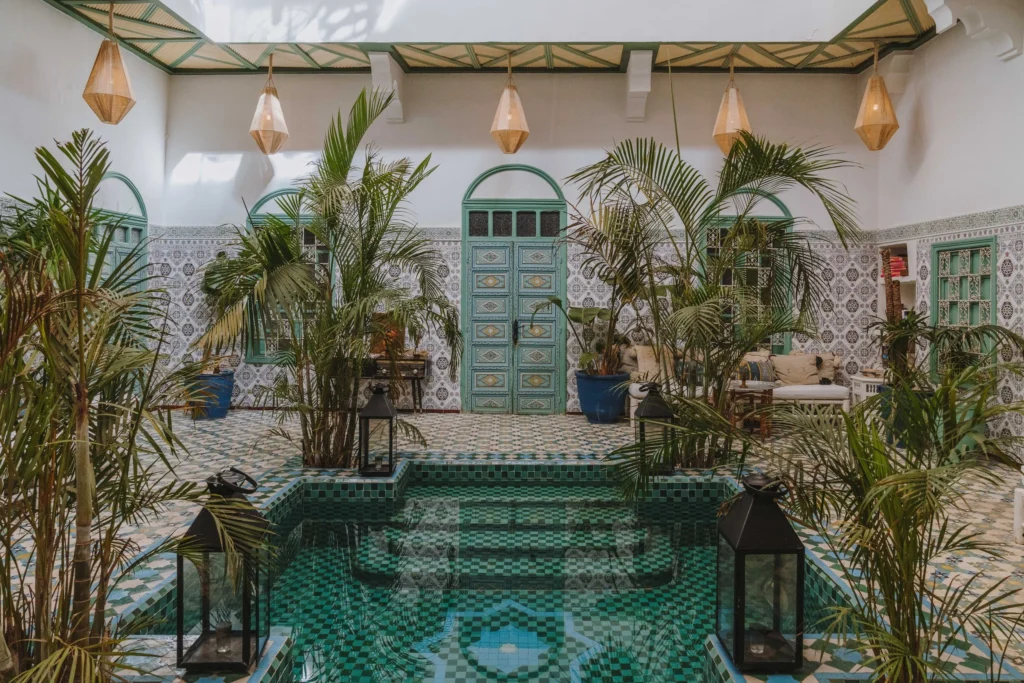
If you’re craving more than a quick taste of Morocco, a Marrakech riad cooking class is one of the best ways to connect with everyday local life. In a traditional riad—often centered around a calm courtyard—you’ll learn how Moroccan flavors come together, from aromatic spices to slow-cooked tagine textures. And when you leave with your own tagine tips, you’ll be able to recreate that warm, fragrant magic long after the trip.
Marrakech is especially rewarding for cooking lessons because the city sits close to major ingredient routes. Markets brim with herbs, dried fruits, preserved lemons, and vegetables used daily in Moroccan kitchens. With the right class, you’ll not only cook, but also understand the “why” behind each step—like the role of spices, the balance of sweet and savory, and the importance of gentle simmering.
Why choose a riad cooking class in Marrakech?
A cooking class in a riad feels personal and immersive. Instead of a busy studio, you’re welcomed into a home-style space where the atmosphere mirrors Moroccan hospitality. Many riads are built around courtyards, so cooking starts with ingredients, conversations, and the scent of warming spices.
Beyond ambiance, riad-based lessons often emphasize practical skills. You’ll learn how to prep common Moroccan staples—like onions, garlic, cilantro, parsley, and fresh herbs—using techniques that reflect real cooking. This is where local tagine tips become especially valuable.
- Market-to-kitchen experience: Many classes begin with ingredients and spice guidance.
- Home-style pacing: You cook at a comfortable rhythm, with explanations along the way.
- Real Moroccan tools and methods: From seasoning practices to tagine simmering habits.
- Hospitality that feels local: Tea, pastries, and friendly guidance are part of the experience.
What makes the “best” Marrakech tagine cooking class?
The top cooking classes do more than show recipes. They teach how to build flavor layers—so you can adapt a tagine to what’s fresh and seasonal. Look for a class that covers ingredients thoroughly and encourages questions while you cook.
Because tagine outcomes depend on technique, the best classes provide clear instruction on timing, heat control, and seasoning balance. You should also expect guidance on traditional tagine ingredients and optional variations—like adding preserved lemon for brightness or using honey and almonds for sweetness.
1) Ingredient expertise (especially spices)
Moroccan cooking relies on spices used thoughtfully, not just in large amounts. A great class explains how cumin, ginger, saffron, turmeric, cinnamon, paprika, and ras el hanout work together.
Instead of a one-size-fits-all blend, you’ll learn how to adjust intensity depending on whether you’re cooking chicken, lamb, vegetables, or seafood.
2) Tagine technique, not just a recipe
Tagines cook differently than standard pots. The lid traps condensation, helping flavors meld while preventing dryness. The best lesson focuses on how to achieve that steady, gentle simmer without rushing.
You’ll also learn how to layer ingredients—so aromatics perfume the dish and vegetables cook properly without losing texture.
3) Clear “taste and balance” guidance
One of the most helpful local tagine tips is learning to taste as you go. Salinity can vary by ingredient (like preserved lemons and olives), while sweetness can shift depending on honey and dried fruit.
In a good class, your instructor encourages small adjustments at key moments, so your final tagine tastes cohesive rather than just seasoned.
Top local tagine tips you’ll use again and again
Even after you master the dish served in class, the real value is knowing the small details that transform flavor. These tagine tips are widely used in Moroccan kitchens and are easy to take home.
Tip: Let onions do the heavy lifting
Many Moroccan tagines start with gently cooked onions, which form a fragrant base. When onions soften and turn golden, they add natural sweetness and body to the sauce.
Don’t rush this step—slow cooking sets you up for a richer final result.
Tip: Use preserved lemon strategically
Preserved lemon brings a unique saltiness and bright citrus aroma. To keep it balanced, remove the flesh if it feels too intense, then mince or chop the rind finely.
Add it in the later stages so its flavor stays vivid.
Tip: Don’t overload with water
Tagine cooking is about steaming and simmering, not boiling. If you add too much liquid, the dish can turn thin and lose depth.
Instead, add small amounts only as needed, and rely on moisture from vegetables, aromatics, and any added broth.
Tip: Build flavor layers
A common approach is to season each stage: onions with spices, proteins with salt and aromatics, and vegetables with fresh herbs. This creates a more complex profile than seasoning at the end.
Save delicate herbs—like cilantro—for the final minutes for maximum freshness.
Tip: Finish with a fragrant garnish
Many Moroccan tagines get their “restaurant” feel from finishing touches. Toasted sesame seeds, chopped parsley, or a scatter of olives can add aroma and texture.
In class, ask your instructor what finishing step they recommend and when to add it.
What you can expect during a Marrakech riad cooking class
Typically, you’ll begin with a welcome ritual such as mint tea. Then you’ll move into ingredient prep: washing herbs, chopping vegetables, and learning how to measure spices by pinch rather than by guess.
Next comes the cooking portion, usually structured around your main dish (often a classic tagine) plus complementary sides. Many classes also include Moroccan bread and a simple dessert or seasonal pastry.
- Welcome tea and a brief introduction to Moroccan cuisine
- Ingredient preparation: herbs, onions, garlic, vegetables
- Spice mixing and seasoning technique
- Tagine assembly and slow-simmer instructions
- Tasting session to learn balance adjustments
- Serving and sharing in the riad setting
Great tagine options to look for
Different classes highlight different regional preferences, but Marrakech experiences often include crowd favorites. If you can choose, consider these tagine styles based on what you like.
- Chicken tagine with preserved lemon and olives for salty-bright complexity
- Lamb or beef tagine with prunes or dried fruit for sweet-savory depth
- Vegetable tagine with chickpeas for a fragrant, hearty vegetarian option
- Tagine with seafood if available—often lighter and herb-forward
How to pick the best riad experience for your schedule and skill level
Before booking, check what’s included: market guidance, how long you’ll cook, and whether the class includes hands-on participation for everyone. A good class should let you do the chopping, seasoning, and assembly rather than watching from the sidelines.
Also consider timing. Morning or afternoon sessions may feel relaxed, while evening classes can add ambiance and warmth to the dining experience.
Questions to ask before you reserve
- Will we start with ingredients (and can we taste spices) before cooking?
- Which tagine will we prepare, and can we add local variations?
- Do you provide a vegetarian or dietary-friendly option?
- How much of the cooking is hands-on versus demonstration?
- Will we learn heat and timing control for tagine-style simmering?
Clear answers usually signal an organized, quality-focused experience with proper guidance.
Making your Marrakech tagine at home after the class
To get the closest result, focus on the same principles you practiced in the riad: layer aromatics, use spices thoughtfully, and simmer gently. Whether you cook in a traditional tagine or a heavy pot, keep the heat low and allow time for flavors to settle.
If you want the signature Moroccan finish, add fresh herbs at the end and consider a finishing garnish for aroma and texture. Even without preserved lemon, you can aim for brightness using lemon zest or a touch of citrus—then taste and adjust.
Most importantly, don’t treat your tagine like a rigid recipe. Moroccan cooking is flexible. Once you understand the technique, you can adapt to what’s available and still keep the dish unmistakably “Morocco.”
Conclusion
The best Marrakech riad cooking class is the one that makes you feel confident—because it teaches technique, not just instructions. From spice layering and preserved lemon know-how to tagine simmering tips that prevent dryness, a quality lesson turns a classic dish into a skill you can repeat. Choose a riad experience that’s hands-on, ingredient-focused, and welcoming, and you’ll leave with both a memorable meal and the local insights that make your tagine taste truly authentic.