

Keyword Secrets: Boost Traffic and Rankings Fast
- Maroc Fans
 Maroc Fans
- 0
- 10 minutes read

Keyword: What It Means for Travelers and Why It Matters
Every great trip starts with a destination, but the best journeys begin with understanding what makes that place special. If you’re researching keyword, you’re probably looking for more than just a quick overview. You want the kind of travel information that helps you plan better, avoid common mistakes, and enjoy the experience like a confident traveler.
This guide is designed for international travelers from the USA and UK who want practical advice, cultural context, and a realistic sense of what to expect. Whether you’re visiting for a short break, a longer holiday, or adding it to a bigger itinerary, knowing the essentials can make your trip smoother and far more rewarding.
In the sections below, you’ll find useful travel tips, historical background, and cultural insights that bring keyword to life in a way that’s both informative and easy to use.
Why Keyword Belongs on Your Travel List
Some destinations are popular because they’re easy to reach. Others stand out because they offer something deeper: history, atmosphere, food, architecture, or a strong sense of identity. keyword has that kind of appeal. It’s the sort of place where the details matter, and where slowing down often leads to the best experiences.
For many travelers, the appeal is a mix of old and new. You may find historic streets, traditional markets, local food culture, and modern comforts all in one place. That balance makes it especially attractive for first-time visitors who want authenticity without sacrificing convenience.
What first-time visitors should know
Before you go, it helps to understand the pace of life, the local customs, and how people typically move around. Some destinations feel instantly familiar, while others reward visitors who take time to observe and adapt. Keyword is one of those places where a little preparation goes a long way.
- Check seasonal weather before booking flights and hotels.
- Learn a few basic local phrases if English is not widely spoken.
- Plan for early openings and siesta-style closures in some areas.
- Keep cash and cards handy, as payment habits can vary.
A Brief Historical and Cultural Background
One of the most enjoyable parts of visiting keyword is understanding its story. History shapes the streets, the food, the architecture, and even the way people greet each other. For travelers, that context turns sightseeing into something much more meaningful.
Depending on the destination, you may notice influences from ancient civilizations, colonial eras, trade routes, religious traditions, or more recent periods of change. These layers often appear in museums, old neighborhoods, public squares, and local festivals. Even a simple walk can feel like a lesson in history.
Cultural traditions also play a big role. From local etiquette to food customs, everyday life often reflects values passed down over generations. When you travel with curiosity and respect, locals usually respond warmly.
How culture shapes the travel experience
Understanding cultural norms can help you avoid awkward moments and connect more naturally with people. In many destinations, small gestures matter: greeting shop owners politely, dressing appropriately in religious sites, or waiting to be seated in a restaurant.
- Dress modestly when visiting temples, churches, mosques, or historic sites.
- Ask before taking photos of people or private homes.
- Respect local meal times and dining customs.
- Use your right hand for gestures or exchanges where appropriate.
Best Ways to Experience Keyword Like a Local
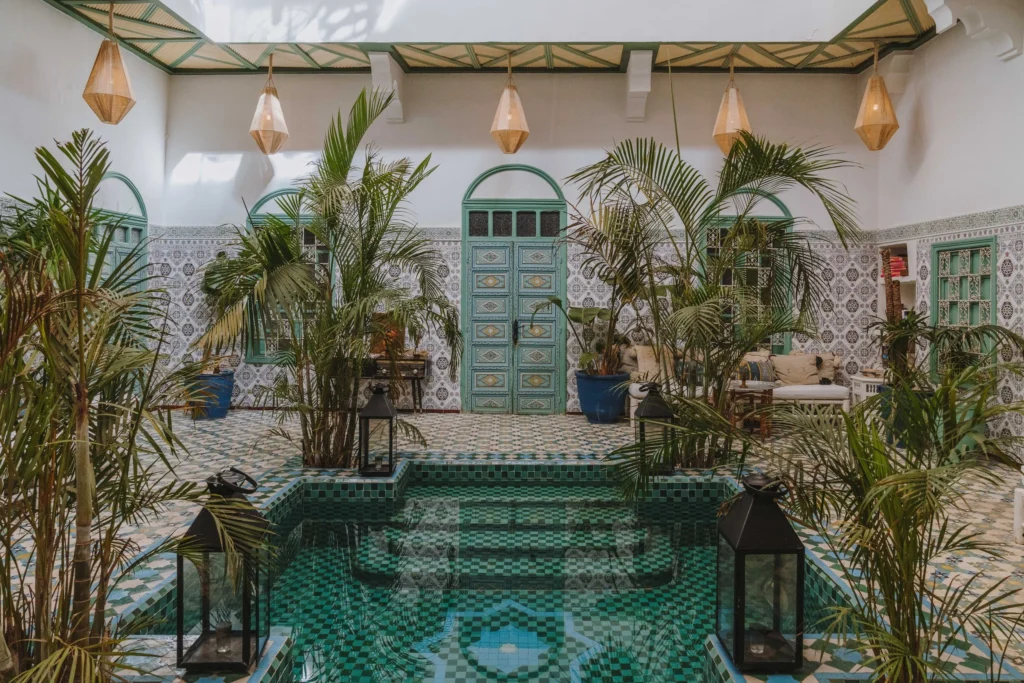
If you want a memorable trip, don’t just visit the headline attractions. The real magic of keyword often appears in the quieter moments: a neighborhood café, a sunrise market, a hidden courtyard, or a conversation with someone who lives there.
Try to build your itinerary around a mix of famous sights and local experiences. That balance gives you the iconic photos you want, while also helping you understand daily life.
Practical travel tips for a better trip
These simple habits can save time, money, and stress:
- Start sightseeing early to avoid crowds and midday heat.
- Use offline maps in case mobile data is limited.
- Book major attractions in advance during peak travel season.
- Carry a reusable water bottle and a small power bank.
- Keep copies of important documents in your phone and email.
If you’re traveling from the USA or UK, also check visa requirements, local currency rules, and any entry conditions before departure. These details can change, and it’s always better to confirm them early.
Food, Markets, and Everyday Local Life
Food is often the fastest way to understand a destination. In keyword, local dishes, street food, and market snacks can reveal a lot about regional traditions and ingredients. Whether you prefer elegant restaurants or simple family-run cafés, eating locally is one of the best ways to travel well.
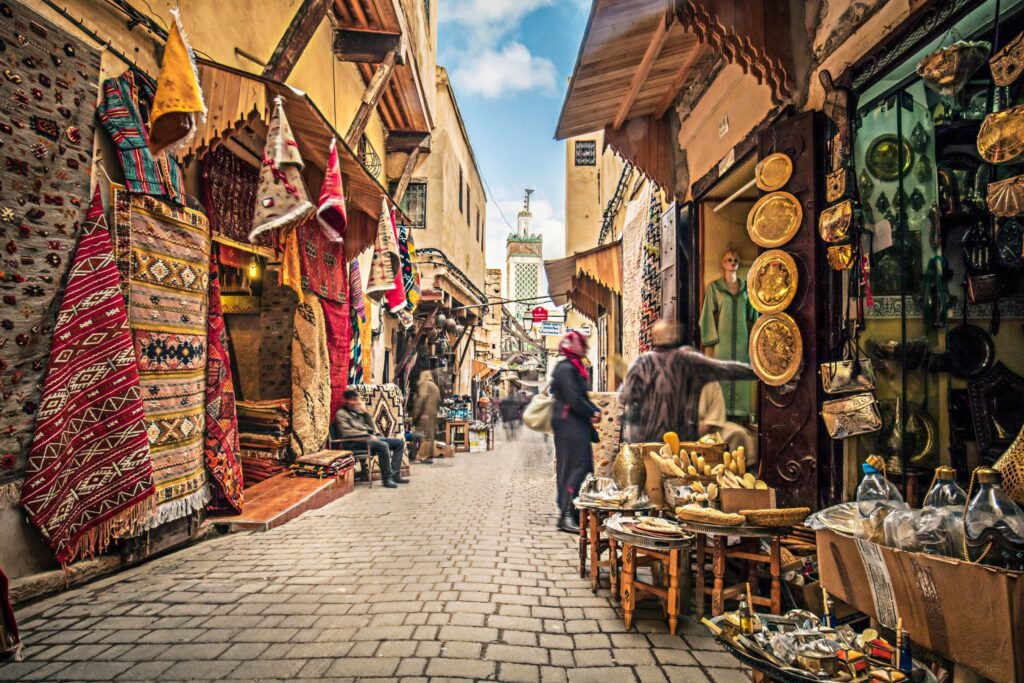
Markets are especially worth visiting. They’re not just for shopping; they’re social spaces where you can see what people actually buy, eat, and talk about. You’ll often find fresh produce, spices, handmade goods, and small bites that reflect the area’s character.
How to eat well without overspending
You don’t need a luxury budget to enjoy great meals. In fact, some of the most memorable dishes are often the simplest ones.
- Look for places busy with locals at lunch time.
- Choose set menus or daily specials for better value.
- Ask your hotel or host for neighborhood food recommendations.
- Try one signature dish before moving on to something familiar.
For travelers who like to eat well, keyword can be a real highlight of the trip. The key is to stay curious and open-minded.
Getting Around: Transport and Timing
Transport can shape your whole experience, especially if you’re trying to see a lot in a short amount of time. In some destinations, public transport is efficient and easy to use. In others, taxis, rideshares, or private transfers may be the better choice.
Before you arrive in keyword, check how far key attractions are from your accommodation. A central hotel can save you hours of travel time over the course of a trip. If you’re visiting a large city or spread-out region, factor in traffic, train schedules, or ferry connections.
Smart transport planning tips
- Download local transport apps before your trip.
- Keep small change for buses, trams, or tips where needed.
- Avoid peak commuter hours when possible.
- Confirm taxi fares or use official ride services.
If you’re planning day trips, leave a buffer for delays. That way, you won’t feel rushed or miss an important reservation.
Where to Stay and What to Look For
Accommodation can make a big difference, especially if you want to make the most of your time in keyword. The best place to stay depends on your travel style. Some visitors want to be in the center of the action, while others prefer a quieter area with more space and better value.
For short city breaks, staying near major transport links or the main historic district can be a smart move. For longer stays, a neighborhood with cafés, grocery shops, and local character may feel more comfortable and authentic.
Choosing the right hotel or guesthouse
- Read recent reviews, not just star ratings.
- Check whether breakfast, taxes, and Wi-Fi are included.
- Look for air conditioning or heating depending on the season.
- Choose flexible cancellation if your plans may change.
Final Thoughts: Make Keyword Part of a Thoughtful Journey
A successful trip is about more than ticking off landmarks. It’s about noticing the rhythm of a place, respecting its culture, and allowing room for unexpected discoveries. That’s why keyword can be such a rewarding destination for international travelers.
With the right planning, you can enjoy the highlights while still leaving space for spontaneous moments. Visit the major sights, taste the local food, learn a little history, and pay attention to everyday life around you. Those are the details that turn a good trip into a memorable one.
If you approach keyword with curiosity and preparation, you’ll come away with more than photos. You’ll leave with a deeper understanding of the place and a better travel experience overall.