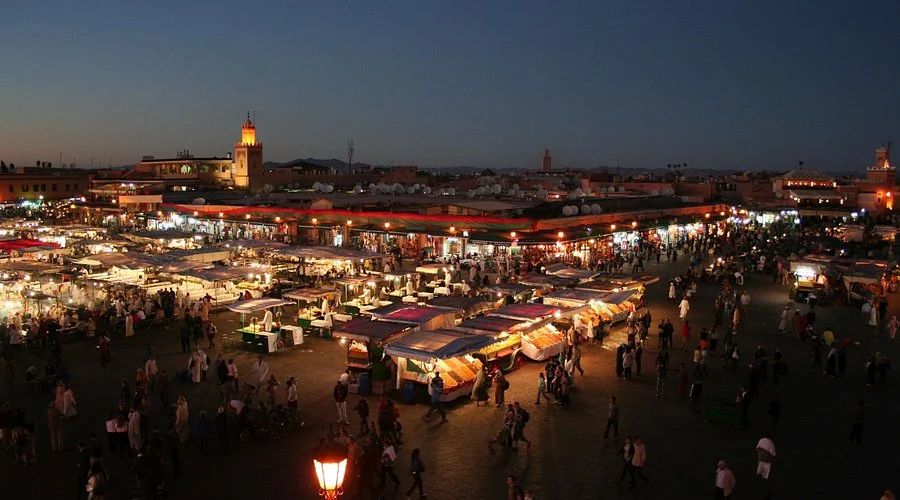

Best Local Food Tour in Marrakech Medina with Cooking Class
- Maroc Fans
 Maroc Fans
- 0
- 10 minutes read

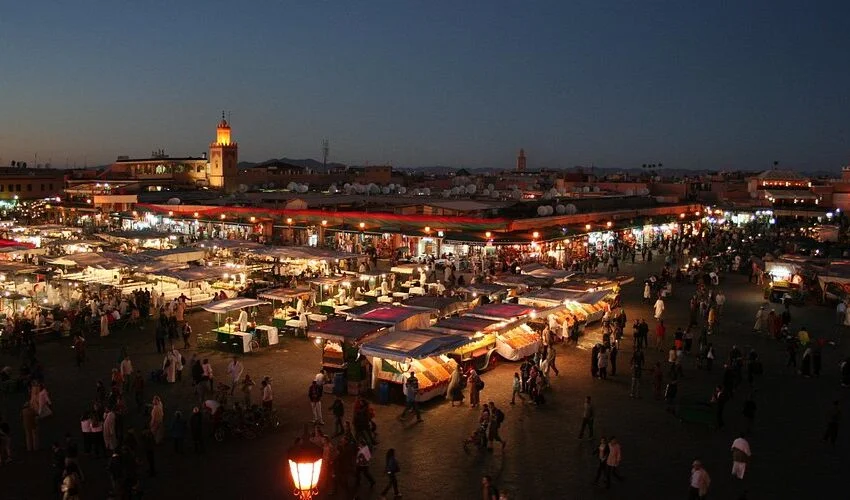
Marrakech’s Medina is more than a maze of souks and storytellers—it’s a living pantry of aromas, spices, and family recipes passed down for generations. If you want to understand Moroccan cuisine the way locals do, the best local food tour in the Marrakech Medina naturally blends guided wandering with an hands-on cooking class. You’ll taste as you explore, then roll up your sleeves to create the dishes you just discovered.
This kind of experience goes beyond a simple meal. It connects market knowledge, cooking technique, and regional ingredients—so your final plate isn’t just delicious, it’s meaningful. From the first cup of mint tea to the last spoonful of tagine, you’ll leave with both new flavors and practical skills you can recreate at home.
Why a Medina Food Tour + Cooking Class Is the Best Way to Taste Morocco
In Marrakech, food is culture. A guided tour helps you spot what matters: fresh produce, cured olives, preserved lemons, and the spice blends that define Moroccan cooking. Instead of relying on a menu, you learn how ingredients are chosen and why certain pairings work so well.
The cooking class completes the story. Once you know the ingredients and their traditional uses, the kitchen becomes a classroom. You’ll go from tasting to technique, learning how to balance sweet, savory, and aromatic notes that are central to Moroccan flavor.
What You’ll Experience on a Local Cooking Tour in Marrakech Medina
A typical day begins inside the Medina, where your guide introduces the essentials—how to recognize quality spices, which staples to look for, and what “day-to-day” cooking ingredients look like in real life.
Then the itinerary usually shifts to a kitchen setting where you cook alongside knowledgeable instructors. Expect a welcoming atmosphere and clear guidance, even if you’ve never cooked Moroccan food before.
Market walking stops that deepen your understanding
As you move through the souks, you’ll get a sense of Morocco’s ingredient rhythm—seasonal vegetables, fragrant herbs, and pantry staples that keep dishes rich even on simple days. You’ll also learn how Moroccan cooking leans on slow simmering, careful seasoning, and the art of layering flavor.
Spice encounters: ras el hanout, cumin, ginger, paprika, cinnamon, saffron, and rasps of preserved lemon
Fresh and seasonal produce: tomatoes, onions, herbs, and vegetables used in daily tagines and salads
Olives and preserved ingredients: briny olives and tangy preserved lemons that bring depth
Staples like couscous: understanding texture and tradition behind Moroccan comfort food
Hands-on cooking: you’ll do the work, then enjoy it
Moroccan cuisine thrives on teamwork between the cook and the simmering pot. In class, you’ll usually prepare multiple components rather than a single dish. This makes the experience feel like a full Moroccan meal, not just a demonstration.
You may handle things like chopping herbs, mixing spice blends, shaping dough, or learning how to assemble a tagine-style dish. Your instructor will guide timing and seasoning so flavors develop properly, instead of feeling random or overly complicated.
Dishes You Can Expect to Cook (and Why They Matter)
Marrakech is known for its bold spice culture and comforting classics. While menus can vary by provider, the best Medina food tours commonly focus on iconic Moroccan flavors that represent different cooking styles.
Tagine: the slow-simmered heart of Moroccan meals
A tagine is more than a pot—it’s a technique. You’ll often learn how to balance aromatics, create a fragrant base, and allow ingredients to soften into a cohesive, spoon-tender dish. Many classes include variations with chicken, lamb, or vegetables, sometimes finished with olives, preserved lemon, or dried fruit.
Couscous: a celebration of texture and steam
Couscous is a Moroccan staple that brings a distinct, fluffy texture to the table. In a cooking class format, you may learn the principles behind seasoning and moisture, along with how to pair couscous with a flavorful sauce or stew.
The goal isn’t only taste—it’s understanding why Moroccan meals often feel balanced: a fragrant base, vegetables or protein, and a method that keeps grains light rather than heavy.
Moroccan bread and pastries: the flavors of everyday hospitality
No Moroccan meal feels complete without bread. Many cooking classes teach you to prepare or at least assist with Moroccan-style bread, sometimes served warm with honey, butter, or dipping sauces.
Pastries and desserts also tend to appear in the experience. You might make a treat that highlights local ingredients like almonds, orange blossom, or sesame—elements that are closely tied to Moroccan tea culture and celebrations.
The Tasting Portion: How You’ll Enjoy Morocco Along the Way
One of the greatest advantages of a Medina food tour is that you don’t have to wait for the cooking class to start enjoying Moroccan flavors. Tasting along the route helps you connect what you’re learning to what you’re experiencing.
At the end of the day, the meal you prepare often becomes the centerpiece. Your instructor and guide typically explain what you’re eating, how the flavors were built, and what to look for when you try similar dishes later.
Mint tea breaks: learn how Moroccan hospitality is served—strong, aromatic, and poured with intention
Street-style samples: taste spices, dips, and seasonal bites before you cook
Shared dining: enjoy your creations in a relaxed setting with others in your group
What Makes a “Local” Experience Truly Worth It
In Marrakech, not every food tour delivers the same depth. The best Medina food tour in combination with a cooking class feels personal and grounded in local knowledge. It should emphasize ingredient quality, practical instruction, and respectful handling of tradition.
Look for these quality signals when booking
Small group size: you’ll get more attention while cooking and tasting
Market time included: the experience should start with ingredients, not just a kitchen transfer
Hands-on instruction: you should actively prepare dishes rather than watch
Clear meal structure: a complete Moroccan menu, not a single-item workshop
Dietary accommodation: the best operators can often adjust vegetarian or allergy needs
A strong local guide makes a difference. They should explain more than facts—help you understand how Moroccans build flavor day after day, from spice selection to the balance of sweet, salty, and tangy notes.
Tips to Get the Most From Your Marrakech Medina Food Tour
The Medina is lively, and comfort helps you enjoy every stop. Wear breathable clothing and comfortable shoes, since you’ll likely walk through narrow lanes and uneven surfaces.
Bring an open mindset, too. Moroccan cooking often uses layers—spices bloom in hot oil, preserved ingredients add brightness, and simmering merges everything into harmony. If you approach it with curiosity, you’ll notice details that make each dish distinctive.
Arrive a little early: it gives you time to settle and enjoy your first tea
Ask about spice blends: you’ll get ideas for recreating flavors at home
Take notes discreetly: even simple steps like spice amounts and timing help later
Plan your evening: expect a hearty, filling meal after cooking
Conclusion: Your Best Way to Bring Marrakech Flavor Home
A Marrakech Medina food tour paired with a cooking class is one of the most rewarding ways to experience Morocco. You’ll move through the market like a local, learn how ingredients are chosen, and then craft a satisfying Moroccan meal with guidance from experienced instructors.
More than a memorable outing, it’s a skill-building journey through flavor—spice, texture, and tradition working together in every bite. If you’re looking for the best local food tour in Marrakech Medina cooking class, choose an experience that emphasizes both discovery and hands-on cooking, and you’ll leave with stories you can taste for years.