
Ancelotti: I’ve Decided the Starting Lineup vs Morocco
- Morocco Fans
 Maroc Fans
- 0
- 9 minutes read

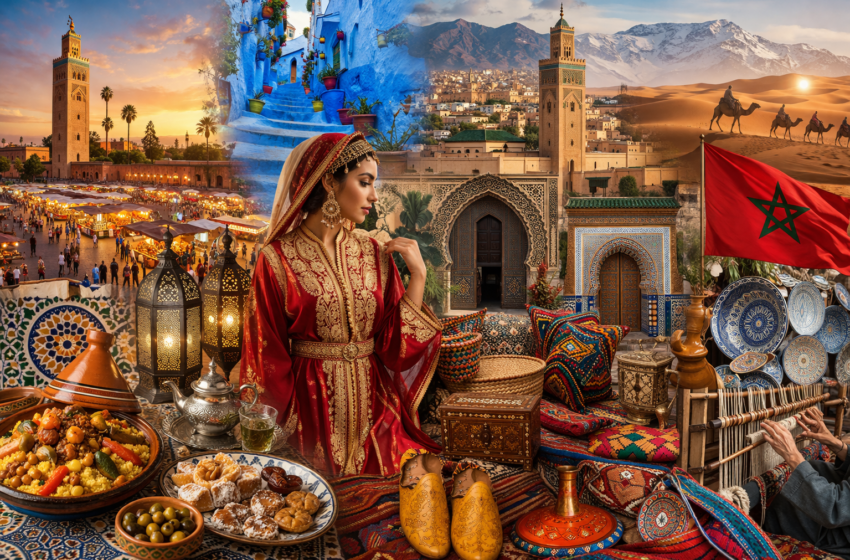
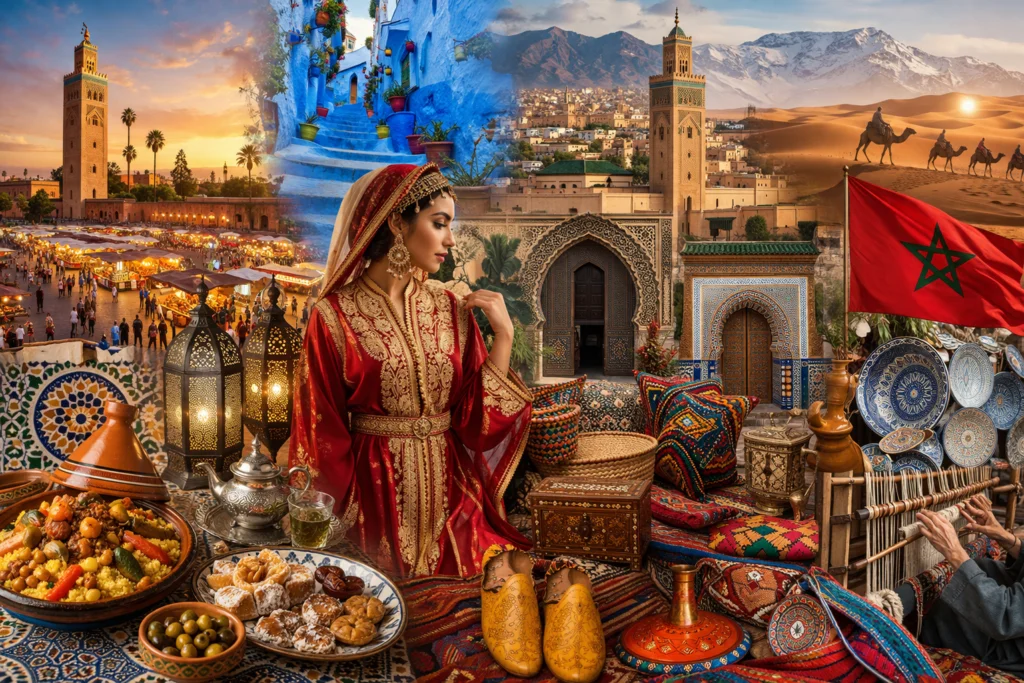
Morocco is the kind of destination that rewards curiosity at every turn—whether you’re chasing the glow of sunrise over the Sahara, bargaining for lanterns in a medina alley, or tasting fresh mint tea in a riad courtyard. And as football excitement spreads, the country’s cultural magnetism only grows stronger: Morocco is not just a host nation, it’s a full experience—vibrant, layered, and unforgettable.
Planning a trip around Morocco’s rhythm means embracing contrasts: imperial cities and desert silence, Atlantic breezes and Saharan heat, traditional craft and modern city life. From the Atlantic coast to the Atlas Mountains and deep into the desert, Morocco offers a journey that feels both adventurous and deeply welcoming.
Choose the Right Route: Coast, Mountains, or Desert First?
Morocco is large enough that your first choice of region can shape your entire itinerary. If you want energy and variety, start with the north. For dramatic landscapes and cooler air, begin with the mountains. If you’re chasing the most iconic scenery, plan a desert-focused route from the start.
North Morocco: History, Art, and Bustling Cities
Fes, Marrakech, Tangier, and Rabat create a powerful cultural trail. Expect lively streets, artisan workshops, and world-famous architecture. These cities are ideal for travelers who love museums, guided tours, and wandering without a strict schedule.
Atlas Mountains: Scenic Drives and Mountain Villages
The Atlas Mountains bring a different pace. You’ll find villages with stone homes, sweeping valleys, and hiking trails ranging from easy walks to full-day adventures. This region is also excellent for escaping the intensity of city crowds.
Sahara Desert: Classic Sand Dunes and Night Skies
A visit to the Sahara is a true turning point. Days begin with desert light and end under vast skies. Caravan-style experiences, desert camps, and sunrise outings are among the highlights.
- For first-timers: Combine Marrakech or Ouarzazate with Merzouga for dunes and overnight camp.
- For photographers: Aim for sunrise and golden-hour stops along the route.
- For relaxed travelers: Choose a guided desert night with transport included to reduce logistics.
Top Places to Visit in Morocco (and What Makes Them Special)
Morocco’s best destinations don’t just look beautiful—they tell stories through their streets, buildings, crafts, and food. Each stop has a distinct atmosphere, from ancient medinas to modern waterfronts.
Marrakech: The Pulse of Morocco
Marrakech feels like a living postcard—busy souks, fragrant food stalls, and dramatic architecture. The medina is a maze, and that’s the point. Wander early, rest mid-day, and return for the evening buzz when the city feels at its most atmospheric.
Fes: A Timeless Medinate Experience
Fes offers a deep immersion into Moroccan heritage. Its old quarters are renowned for their craftsmanship and traditional practices. Even a simple walk can turn into a cultural discovery, especially when you visit artisan workshops.
Chefchaouen: Blue-Washed Calm
Chefchaouen stands out for its blue streets and soothing hillside setting. It’s perfect for slower travel days: take your time in the alleys, pause for views, and enjoy the calm that contrasts sharply with larger cities.
Casablanca: Modernity Meets Tradition
Casablanca is Morocco’s cosmopolitan hub. It blends contemporary energy with historic charm, making it a practical stop for arrival and departure. It’s also great for sampling Moroccan seafood and exploring the city’s landmark neighborhoods.
Ouarzazate and the Road to the Desert
Ouarzazate is often used as a gateway to the Sahara. Along the way, the landscape becomes increasingly cinematic—rocky plateaus, winding roads, and sudden desert horizons. If you love scenery-driven travel, this route is a must.
What to Do: Experiences You’ll Remember Long After
Morocco shines when you step beyond checklists. The best moments often happen spontaneously—an invitation to taste something new, a friendly conversation, or a viewpoint that becomes the day’s highlight.
Explore the Medinas Like a Local
Morocco’s medinas are where the country comes alive. You’ll find leather goods, textiles, ceramics, metalwork, and spices. Going with patience helps: slow browsing often leads to better discoveries and more meaningful interactions.
Hike the Atlas for Views Worth the Effort
Hiking in the Atlas is both rewarding and accessible. Choose a trail that matches your pace, and consider hiring a local guide—especially for routes where knowledge of the terrain matters.
Ride Camels (and Choose Comfort Wisely)
Camel excursions are common in desert areas, but comfort varies. Plan ahead by clarifying the overnight setup, meal arrangements, and the length of the journey. Your comfort directly affects how much you enjoy the experience.
Enjoy Moroccan Food: Flavor That Defines the Trip
Moroccan cuisine is a highlight on its own. From steaming tagines to sweet pastries and mint tea, meals can become the emotional center of your itinerary.
- Tagine: Slow-cooked stews with herbs, vegetables, or meat.
- Couscous: A festive classic often served on special days.
- Harira: A comforting soup, especially in the evenings.
- Mint tea and pastries: A must between sightseeing stops.
Best Times to Visit Morocco (Weather and Atmosphere)
Timing affects everything in Morocco—from hiking comfort to desert temperatures. Choosing the right season helps you enjoy the landscapes without the extremes.
Spring (March to May): Comfortable and Scenic
Spring brings pleasant temperatures and vivid scenery. This is a great window for city wandering and mountain trips, with fewer weather-related disruptions.
Autumn (September to November): Ideal for Most Regions
Autumn is often considered one of the best seasons. Days are usually comfortable, evenings can be cooler, and the overall travel atmosphere feels balanced.
Summer (June to August): Expect Heat in the Desert and Cities
Summer can be intense, particularly inland and in desert regions. If traveling then, plan for early starts and midday rest, and consider prioritizing coastal areas for relief.
Winter (December to February): Cooler Days and Desert Nights
Winter offers a quieter mood and cooler temperatures. Desert nights can be chilly, but the experience is often magical—especially when camps provide warm arrangements.
Practical Travel Tips for a Smoother Journey
A few smart preparations make Morocco feel effortless. From how you dress to how you move between cities, small choices help you travel with more confidence.
Dress with Respect, Especially in Religious Areas
Light, breathable clothing works well in many regions, but bring a layer for cooler evenings. When visiting mosques or conservative areas, aim for modest coverage.
Plan Transport Around Your Route
Travel times can vary depending on geography. For longer journeys, consider guided transfers or carefully planned legs between major cities. For local exploration, walking and short rides are often the most convenient.
Handle Cash and Small Purchases Thoughtfully
Carry some cash for markets and smaller stalls. It also helps to keep small denominations for everyday purchases, especially in busy medinas.
Stay Flexible in the Medinas
Medinas are lively and sometimes crowded. If you get turned around, that’s normal. Keep your plans simple and give yourself time to navigate; it’s part of the experience.
Conclusion: Morocco’s Journey Starts the Moment You Arrive
Morocco is more than a destination you visit—it’s a place you experience in layers. Your days might begin in a historic city, unfold across mountain roads, and end beneath desert skies. Whether your focus is culture, food, adventure, or scenic discovery, Morocco offers an itinerary that feels both personal and unforgettable.
Pack comfortable shoes, leave room for spontaneity, and follow the pull of the landscapes and the people. In Morocco, every turn can lead to something worth remembering.