
Deschamps Names Morocco a 2026 World Cup Contender
- Maroc Fans
 Maroc Fans
- 0
- 7 minutes read

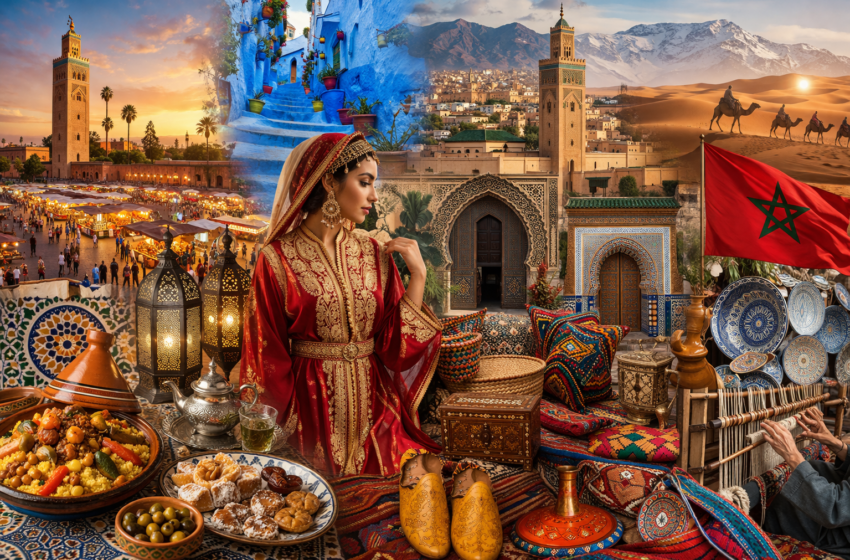
Morocco is already thinking beyond the next matchday. With talk of the 2026 World Cup growing louder, the North African nation is positioning itself as a serious contender—on the pitch and beyond it. For travelers, this moment offers a perfect chance to experience a country where football energy, cultural depth, and modern momentum blend into something unforgettable.
Why Morocco is gaining attention on the global football stage
When Deschamps points to Morocco among potential contenders, it adds an extra layer of excitement to what many fans have been sensing for years. The country has steadily developed talent, embraced new training methods, and built strong pathways from youth football to the senior level.
But Morocco’s rise isn’t just about results. It’s also about mindset. A blend of technical play, tactical flexibility, and resilience has become a hallmark of Moroccan teams, reflecting a broader national character shaped by ambition and adaptability.
Momentum you can feel across Morocco
In Morocco, sports enthusiasm is more than a pastime—it’s a shared language. From local cafés to larger stadium settings, people gather to discuss matches, celebrate talent, and debate strategies with genuine pride.
As the 2026 conversation grows, that energy can influence everyday life: bigger match viewing crowds, more community events, and a stronger buzz around clubs and academies. Travelers often notice the atmosphere quickly—especially during tournament windows.
Exploring Morocco while the World Cup conversation builds
Whether you arrive for the coast, the mountains, or the medinas, you’ll find that football talk travels well. In many cities, it’s common to hear friendly predictions, chants, and conversations about the squad’s potential—often paired with recommendations for where to eat afterward.
Casablanca: modern Morocco with matchday energy
Casablanca is Morocco’s largest city and a natural base for visitors seeking lively urban life. It’s also where many international conversations feel most immediate—making it a compelling stop if you want to experience Morocco’s global-facing side.
Between ocean breezes and busy streets, you can explore neighborhoods, enjoy contemporary dining, and still catch the collective excitement that builds when football is on everyone’s mind.
Rabat and Salé: history, calm pace, and local pride
Rabat offers a quieter rhythm than Casablanca, with wide avenues, historic sites, and an understated sense of confidence. Nearby, Salé adds a more local texture, giving travelers a balanced view of Moroccan daily life.
During major games, cafés and public spaces often become gathering points. The mood is welcoming, and conversations can quickly shift from travel tips to match predictions.
Marrakesh: vibrant culture, lively evenings
Marrakesh is famous for its energy, and that same intensity shows up after hours. Even outside stadium contexts, the city’s social atmosphere makes it easy to connect with other travelers and locals who share an enthusiasm for sport.
From traditional courtyards to bustling night markets, Marrakesh can feel like a festival—especially when football headlines dominate the conversation.
Fez: old-world depth and community spirit
Fez draws visitors with its preserved heritage and intricate medina life. It’s a city where history feels tangible, yet the present is never far away—people live, work, and celebrate here.
On match days, communal viewing spaces can make the experience even richer. You’ll feel the connection between local identity and modern ambition.
Morocco’s football culture reflects its wider traveler experience
Morocco’s strength lies in more than athletic preparation. The country is known for hospitality, strong local traditions, and a talent for welcoming people from different backgrounds. Those qualities make a trip feel effortless, whether you’re navigating markets, planning day trips, or finding a place to watch a big game.
Travelers who visit during peak sports periods often find that Moroccan communities are eager to share recommendations—what to try, where to go, and how to experience the city beyond the obvious landmarks.
What to expect when matchdays heat up
If you time your visit during a major tournament cycle or a widely watched international competition, you may notice a few patterns:
- More groups gathering in cafés and public spaces to watch key games.
- Increased conversations about players, tactics, and upcoming fixtures.
- Local events and themed nights that add to the festive atmosphere.
- Greater demand for reservations in popular restaurants near lively neighborhoods.
Planning your trip around Morocco’s rising visibility
As Morocco’s status grows internationally, travel planning becomes even more important. Popular destinations may book up faster, and peak seasons can feel busier than expected.
To make the most of your journey, consider flexible scheduling and early bookings for accommodations, especially in cities with strong nightlife and high visitor numbers.
Best ways to explore beyond the headlines
Morocco rewards travelers who look beyond a checklist. While football excitement can shape your trip rhythm, the country’s landscapes and culture are the real long-lasting memories.
- Spend time in the medinas for crafts, cuisine, and local storytelling.
- Take a day trip to coastal areas to balance city energy with sea air.
- Explore mountain regions for cooler weather and dramatic scenery.
- Plan a desert experience if you want a truly iconic Moroccan journey.
Where Morocco’s potential meets its people
The idea of being a World Cup contender speaks to Morocco’s drive. Yet what makes that ambition stand out is the way it’s embedded in everyday life—through community support, pride in local talent, and the pride that people show when welcoming visitors.
For travelers, this is what turns sports buzz into more than entertainment. It becomes a window into national identity: Morocco as a place with heritage, momentum, and dreams that extend far beyond the pitch.
Conclusion: Morocco in 2026—and beyond
Morocco’s inclusion among future World Cup contenders is a sign of growing confidence, strengthened development, and a football culture that keeps moving forward. For visitors, it’s also an invitation to experience the country at a moment when global attention is starting to align with local pride.
Whether you’re strolling through old streets, relaxing by the coast, or sharing matchday conversations in a neighborhood café, Morocco offers a blend of wonder and momentum. The story is still unfolding—and traveling there now means being part of the excitement as it builds.