

Moroccan Ceramics vs Zellige: Secrets to the Best Choice
- Moroccan Crafts Pottery & Zellige
 Maroc Fans
- 0
- 25 minutes read

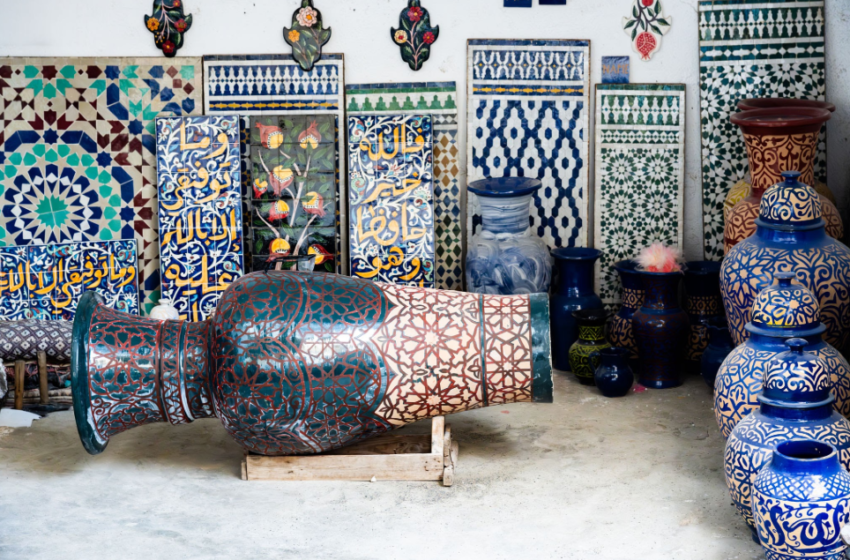
Moroccan craftsmanship is celebrated worldwide for its vibrant colors and rich history. When exploring North African decor, understanding Moroccan ceramics vs zellige is essential for making the right design choices. To the untrained eye, both feature colorful glazes and earthy clay bases. However, confusing hand-painted pottery with authentic Zellige mosaic tiles overlooks two distinct heritage lines.
Are Zellige tiles a type of ceramic, or is Zellige a completely separate art form? How do their materials, craft methods, and home uses compare? In this guide to Moroccan ceramics vs zellige, we break down these two traditions. As a result, you will easily select the perfect artisanal pieces for your home.
Defining the Art Forms: Moroccan Ceramics vs Zellige
Before comparing technical details, let us define what each term means in Moroccan heritage.
Defining Traditional Moroccan Ceramics
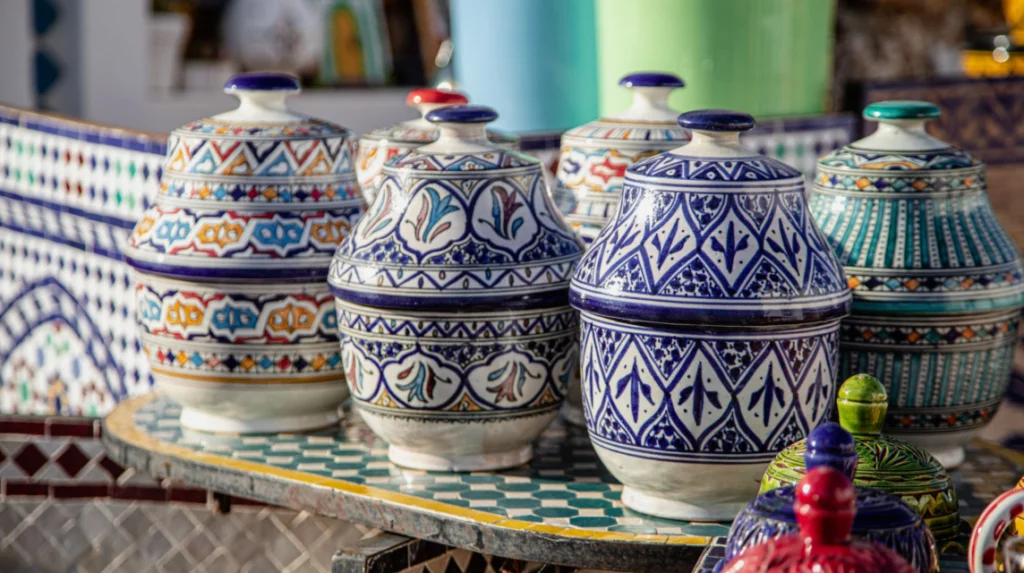
Broadly speaking, ceramics are objects made from clay hardened by intense heat. In Morocco, ceramics usually refer to vessel pottery. Examples include tagines, decorative plates, serving bowls, and vases. In addition, the category includes large hand-painted ceramic field tiles.
Furthermore, Moroccan ceramics are famous for three distinct regional styles:
- Safi Ceramics: Known for vivid glazes and detailed geometric lines. Safi is the official pottery capital of Morocco.
- Fez Ceramics: Renowned for classic blue-and-white patterns, often called Fassi blue. This style draws heavy influence from Andalusian history.
- Tamegroute Ceramics: Famous for rustic green and olive glazes. Artisans in the Draa Valley create these raw pieces using local copper and manganese.
If you want to match ceramics with textiles, read our Moroccan rug selection guide for design ideas.
Defining Zellige in contrast to Moroccan Ceramics
Zellige is a specialized form of terracotta mosaic tilework. The name comes from the Arabic word az-zulayj, meaning “little polished stone.” Consequently, Zellige consists of small, hand-chiseled glazed tiles. Artisans assemble these pieces like a puzzle to form geometric patterns on walls, fountains, and floors.
Unlike simple pottery, Zellige is an architectural tile system. Indeed, its key feature is that each piece is hand-cut by a master artisan called a Maâlem. The back edges are chiseled at an angle. Therefore, tiles fit together closely with almost invisible grout lines.
Key Distinction: All Zellige tiles are made from fired clay. However, not all Moroccan ceramics are Zellige. Ceramics include pottery and molded tiles. Conversely, Zellige is specifically hand-cut terracotta mosaic tilework.
Clay Sources in Moroccan Ceramics vs Zellige
The primary contrast in Moroccan ceramics vs zellige starts directly in the earth. The chosen clay determines the strength of the final product.
The Fez Clay Used in Zellige Tiles
Authentic Zellige requires natural grey clay sourced almost exclusively from Fez. This unique clay has specific natural properties:
- It becomes very easy to mold when mixed with water.
- It dries under the sun into durable terracotta without warping.
- It reacts predictably in traditional kilns, forming a porous back that sticks well to mortar.
If artisans use clay from other regions, the tiles break easily. Consequently, they cannot endure heavy hammering during the hand-chiseling phase.
Clay Origins in Moroccan Ceramics Pottery
In contrast, general Moroccan ceramic pottery relies on clay from various regions:
- Safi Clay: Rich in iron and minerals. It is ideal for smooth wheel-throwing and bright glazes.
- Draa Valley Clay: Rich in heavy elements. It gives Tamegroute green pottery its rough, pitted texture.
- Rif Mountain Clay: Often unglazed or lightly polished. Women potters shape it using ancient coil techniques.
Production Steps: Moroccan Ceramics vs Zellige Crafting Methods
Comparing the creation steps shows why Zellige requires different skills than traditional pottery.
Crafting Process of Zellige Tiles
- Clay Preparation: Artisans soak Fez clay in water pits to clean it. Next, they press it into molds (ferrach) and dry it in the sun.
- First Firing & Glazing: The dried tiles are fired into terracotta biscuit. Afterward, artisans pour liquid glazes over the top surface.
- Second Firing: The glazed tiles return to wood-fired kilns. As a result, heat shifts create subtle shade variations and surface ripples.
- Hand Chiseling (Naqsh): A master artisan (Maâlem) draws grid lines. Then, using a heavy hammer (menqach), he chisels the edges at a sharp bevel.
- Mosaic Assembly: Finally, artisans place the chiseled pieces face-down on the floor. They pour mortar over the back to create a solid panel.
For more inspiration on pairing tilework with architecture, explore our guide on Moroccan riad interior design.
Production Process of Moroccan Ceramics Pottery
[Raw Clay] ➔ [Wheel or Mold] ➔ [Sun Drying] ➔ [1st Firing] ➔ [Hand Painting] ➔ [Glaze] ➔ [2nd Firing]
- Forming: Potters shape clay on kick-wheels into bowls, plates, or tagines. Ceramic wall tiles are pressed flat.
- First Firing: Kiln heat bakes the clay into a porous terracotta shape.
- Hand Painting: Artists (Zwaqa) paint fine patterns using fine brushes.
- Glazing & Final Firing: A transparent glaze is applied over the paint. Subsequently, high kiln heat seals the artwork under a shiny finish.
To see how ceramics fit dining decor, check out our guide to authentic Moroccan tea sets.
Comparison Table: Moroccan Ceramics vs Zellige
Here is a quick overview comparing both craft forms across key areas:
| Characteristic | Moroccan Ceramics (Pottery & Tiles) | Authentic Zellige Tiles |
| Primary Clay Source | Safi, Fez, Salé, Draa Valley, Rif | Exclusively grey Fez clay |
| Primary Form | Dishes, tagines, vases, flat tiles | Small, chiseled mosaic pieces |
| Edge Finish | Smooth and straight edges | Hand-chiseled, inwardly beveled edges |
| Decoration Method | Hand-painted brushwork (Zwaqa) | Solid glazes with geometric hand-cutting |
| Surface Texture | Smooth and uniform | Irregular, wavy, light-reflecting |
| Primary Application | Tableware, decor, wall accents | Backsplashes, walls, floors, fountains |
| Installation | Standard tile installation | Specialized fitting with tight grouting |
Visual Differences in Moroccan Ceramics vs Zellige
When inspecting decor, use three visual checks to spot the differences in Moroccan ceramics vs zellige:
1. Edge Shape and Grout Lines in Moroccan Ceramics vs Zellige
- Zellige: Look closely at tile joints. Real Zellige features hand-cut, irregular edges. As a result, tiles sit flush together with minimal grout space.
- Ceramics: Standard ceramic tiles have straight, factory-cut edges. Therefore, they require wider grout gaps of 2 mm to 4 mm.
2. Light Reflection in Moroccan Ceramics vs Zellige Surface Textures
- Zellige: No two Zellige tiles are completely flat. Kiln heat creates subtle surface bumps. Consequently, light bounces off the wall in multiple directions to produce a shimmering glow.
- Ceramics: Hand-painted ceramic tiles have a flat, smooth surface. Therefore, light reflects off them evenly.
3. Paint Brushwork in Moroccan Ceramics vs Zellige Glazes
- Zellige: Color comes from solid mineral dips. Shades vary across tiles due to kiln temperature changes.
- Ceramics: Color comes from detailed brushwork. You will clearly see hand-painted lines and multi-color patterns on a single piece.
If you enjoy authentic Moroccan crafts, read our article on handcrafted Moroccan leather babouche slippers to learn about leather traditions in Fez.
Modern Home Design: Moroccan Ceramics vs Zellige Uses
Both art forms add timeless beauty to modern spaces. However, they excel in different areas.
Interior Applications for Zellige Mosaic Tiles
- Kitchen Backsplashes: Zellige adds dynamic texture to contemporary kitchens. It contrasts well with stone countertops or modern cabinets.
- Shower Walls: Glazed Zellige naturally resists water. Consequently, it creates a luxury spa feel in bathrooms.
- Fireplaces and Fountains: The heat-resistant clay makes Zellige ideal for hearths, garden walls, and courtyard fountains.
Interior Applications for Decorative Moroccan Ceramics
- Tableware and Dining: Hand-painted ceramic platters, bowls, and tagines elevate everyday dining experiences.
- Accent Art and Stairs: Single painted tiles look great on stair risers or outdoor patio tables.
- Statement Urns: Large Safi vases make eye-catching focal points in entryways. Learn more about regional pottery in our Safi pottery guide.
Real Zellige vs Industrial Tiles: Moroccan Ceramics vs Zellige Market Options
Many factories now produce mass-market “Zellige-effect” tiles. Understanding this distinction is vital when evaluating Moroccan ceramics vs zellige for home renovations.
Authentic Handmade Zellige Mosaic Tiles
- Hand-molded exclusively from raw Fez clay.
- Hand-chiseled individually by a skilled Maâlem.
- Features distinct surface variations, micro-chips, and rich tone shifts.
- Delivers high artistic value and long-term durability.
Factory-Made Imitation Zellige Ceramics
- Machine-pressed using standard white ceramic or porcelain clay.
- Stamped with artificial bumps, though surface patterns repeat.
- Manufactured with straight factory edges that require standard grout gaps.
- Costs less to install, but lacks authentic depth and organic light reflection.
Maintenance Guide for Moroccan Ceramics vs Zellige
Proper maintenance preserves the beauty of your Moroccan crafts for decades.
How to Clean and Care for Zellige Tiles
- Sealing: Seal unglazed Zellige after installation to prevent oil stains. Glazed tiles do not need surface sealer, but you should seal the grout lines.
- Cleaning: Wash tiles using warm water and pH-neutral soap. Avoid harsh bleach or abrasive pads, which dull the natural glaze.
- Grout Check: Inspect grout lines regularly in wet shower areas to protect underlying walls.
How to Clean and Care for Moroccan Ceramics
- Food Safety: Check that functional pottery is lead-free before serving food. Keep decorative pieces with metallic finishes for display only.
- Washing: Wash painted ceramics by hand. High dishwasher heat can crack protective glazes over time.
- Thermal Protection: Never place cold ceramic dishes directly into hot ovens to prevent thermal cracking.
Comparing Moroccan ceramics vs zellige highlights the deep artistry of North Africa. While hand-painted ceramics showcase brushwork and pottery shapes, Zellige represents geometric mastery and light reflection. Whether you add Safi serving bowls to your table or install Fez Zellige on your backsplash, these crafts bring timeless warmth to modern homes.
FAQ: Common Questions About Moroccan Ceramics vs Zellige
1. Is Zellige technically a type of ceramic?
Yes. Technologically, Zellige belongs to the glazed terracotta ceramic family. However, Moroccans treat it as a separate mosaic craft because of its hand-chiseling process.
2. In comparing Moroccan ceramics vs zellige, why is Zellige more expensive?
Authentic Zellige is completely handmade through a slow, multi-stage process. Master artisans mold, fire, and chisel every piece by hand. Therefore, it is a premium luxury craft.
3. Can you use Zellige tiles on floors?
Yes, but with caution. Glazed Zellige can be slippery when wet. For heavy foot traffic and outdoor patios, thicker unglazed terracotta tiles (Bejmat) are a better choice.
4. How can I tell real Zellige from imitation ceramics?
Check the back and edges of the tile. Real Zellige has a rough clay backing and hand-chiseled edges. Imitation ceramic tiles have smooth backings with grid patterns and straight edges.
5. Are small surface imperfections normal in Zellige tiles?
Yes! Minor color shifts, small surface pits, and uneven edges are natural signs of handmade Zellige. These features help reflect light dynamically across your walls.
6. Where is real Zellige produced in Morocco?
The home of authentic Zellige is the city of Fez. Fez possesses the specific natural grey clay needed for durable mosaic tilework.
7. Do I need a specialist installer for Zellige tiles?
Yes. Installing Zellige requires skilled tile setters. They know how to handle thickness variations and assemble cut edges with minimal grout lines.