


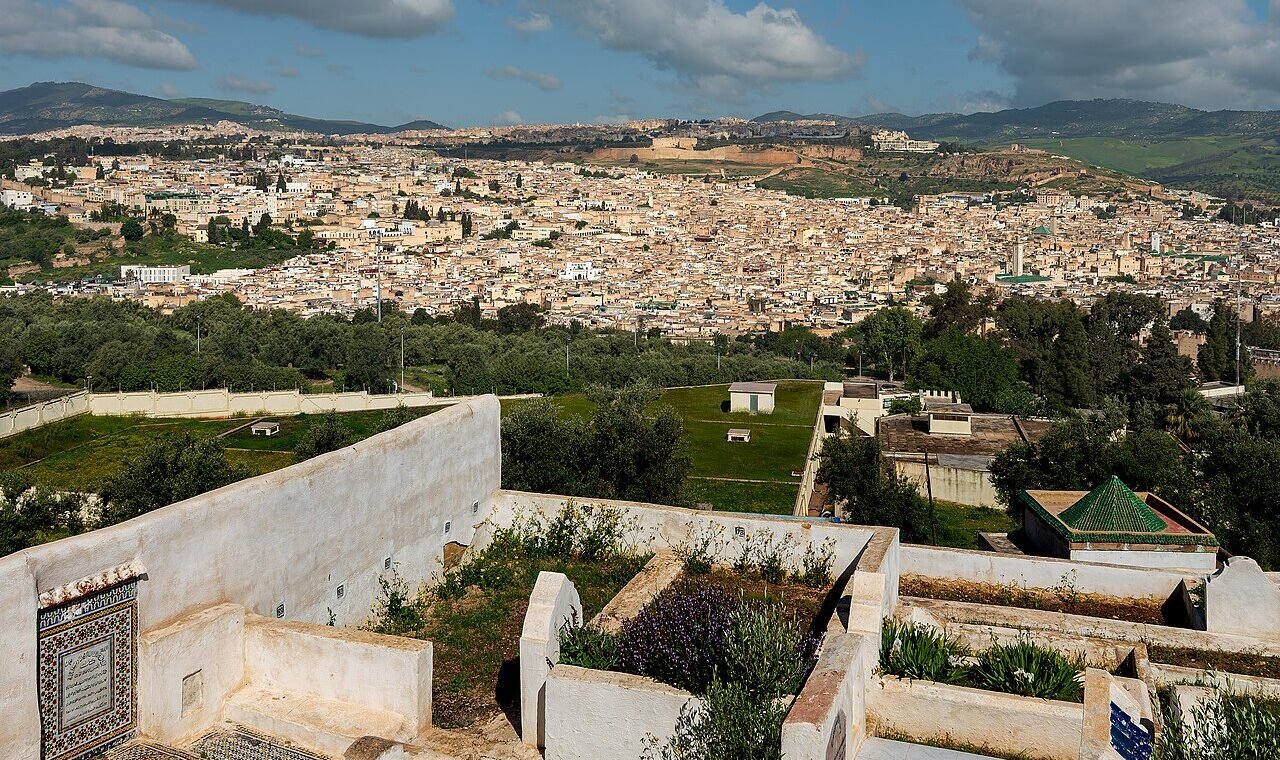
Fez is not a city you simply visit. It is a city you experience through its narrow streets, traditional workshops, historic monuments and the everyday life unfolding inside its ancient medina.
Unlike Morocco’s more modern destinations, Fez has preserved a remarkable connection to its cultural heritage. Behind its centuries-old walls, artisans continue working with leather, wood, copper and intricate mosaics.
Three days in Fez is an excellent amount of time to explore its major attractions without rushing. This itinerary combines famous landmarks, authentic experiences, traditional Moroccan food and quieter places beyond the main tourist routes.
Day 1: Discover the Historic Medina of Fez
Morning: Enter Through Bab Boujloud
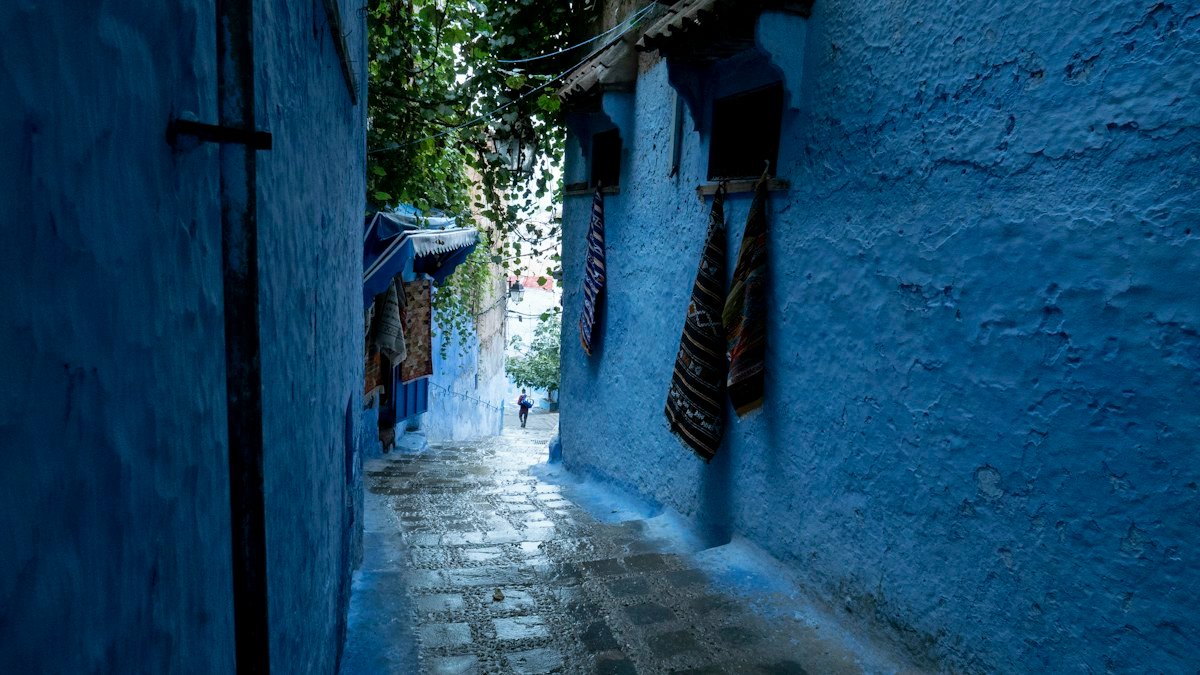
Begin your journey at Bab Boujloud, the famous blue gate marking one of the principal entrances to Fez el-Bali. For more architectural and cultural highlights, explore our complete guide to the Fez medina.
This is the ideal starting point for exploring the old medina, a UNESCO World Heritage Site and one of Morocco’s most fascinating historic urban areas.
Continue toward the Bou Inania Madrasa, celebrated for its carved wood, traditional plasterwork and geometric zellige tiles.
Take your time walking through the souks. You will discover workshops, bakeries, spice merchants and small local shops hidden along the narrow streets.
Afternoon: Explore Al Quaraouiyine and Nejjarine
Head toward the historic Al Quaraouiyine complex, an important centre of Islamic scholarship and Moroccan heritage.
The working mosque is generally not accessible to non-Muslim tourists, but its historic surroundings are worth exploring respectfully.
Continue to Nejjarine Square, where a beautifully decorated fountain and the Nejjarine Museum of Wooden Arts and Crafts showcase the city’s artistic traditions.
Evening: Enjoy Traditional Fassi Cuisine
Finish your first day with a Moroccan dinner in a traditional riad or restaurant.
Consider trying chicken pastilla, a celebrated Fassi dish combining delicate pastry, savoury filling and warm spices.
Other favourites include Moroccan tagines, seasonal salads and mint tea.
Day 2: Tanneries, Artisans and Panoramic Views
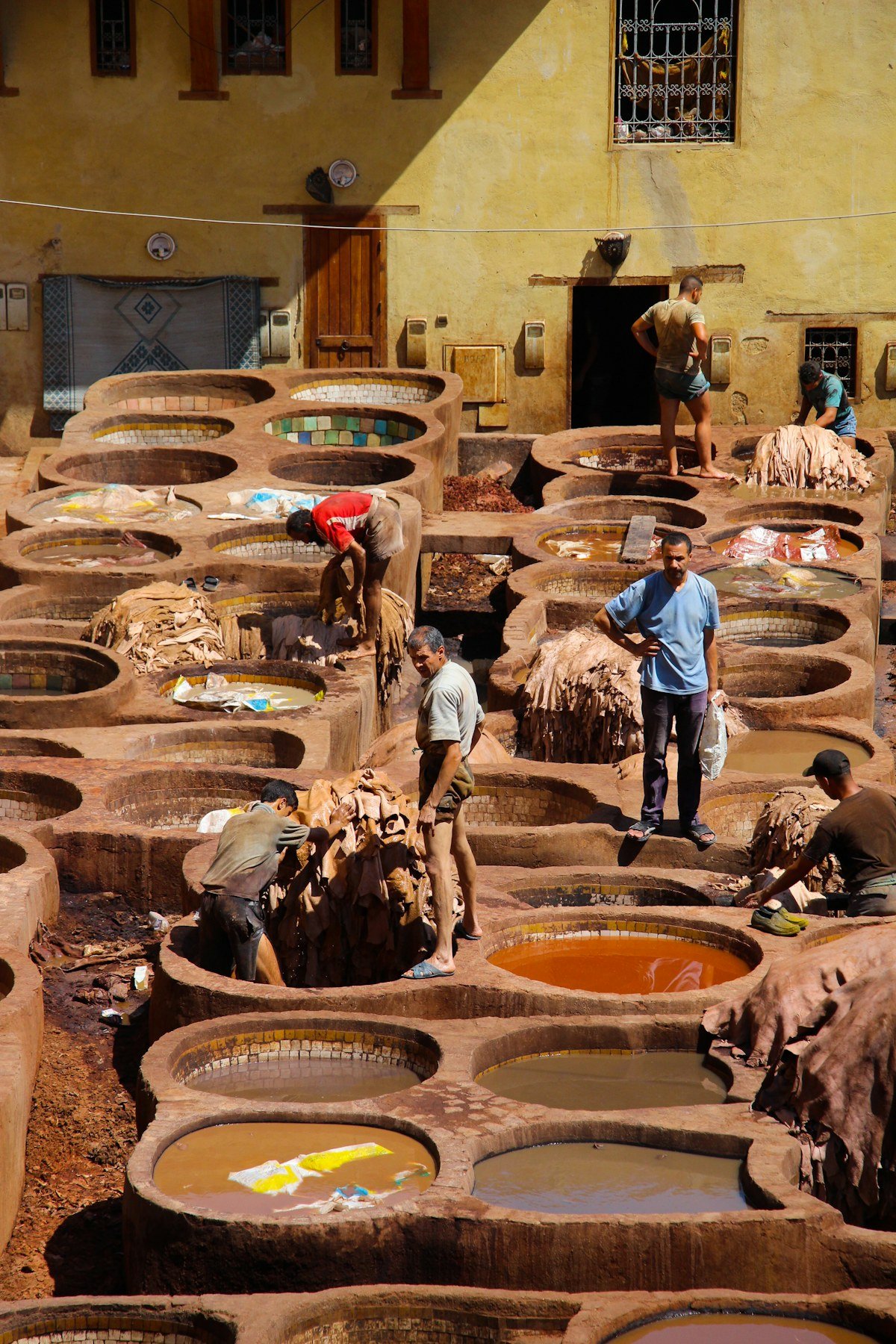
Morning: Visit the Chouara Tanneries
The Chouara tanneries are among Fez’s best-known attractions.
From surrounding terraces, visitors can observe the traditional leather-processing areas and their distinctive dyeing vats.
The smell can be strong, and access to viewpoints is often arranged through nearby leather shops. Ask about any expected payment beforehand and avoid feeling pressured to purchase anything.
This experience offers a glimpse into an important part of Fez’s craft heritage.
Afternoon: Explore Fez el-Jdid
Leave the busiest part of the old medina and discover Fez el-Jdid, another historic district.
Walk through the Mellah, the old Jewish quarter, and admire the ornate entrance gates of the Royal Palace from the public square.
The palace itself is not open for ordinary tourist visits, but its exterior is a memorable sight.
If time allows, visit Jnan Sbil Garden for a relaxing walk among trees, fountains and shaded pathways. Check local opening conditions before visiting.
Sunset: Admire the City From Above
For a panoramic view of Fez, consider the area around the Marinid Tombs.
From this elevated viewpoint, the historic medina stretches across the hills, revealing its dense rooftops and minarets.
Visit before dark and arrange reliable transportation for the return journey.
Day 3: Choose Your Own Fez Experience
Your third day can follow one of two itineraries depending on your interests.
Option A: Discover More of Fez
Spend the morning exploring traditional craft workshops or joining a Moroccan cooking experience.
You can learn about the techniques behind Fassi pottery, zellige or regional dishes.
In the afternoon, revisit your favourite medina neighbourhoods, browse artisan shops or spend time in a traditional hammam.
This option is ideal if you prefer slow travel and want to experience the city’s atmosphere beyond the main monuments.
Option B: Take a Day Trip to Meknes and Volubilis
If you enjoy history, dedicate your third day to an excursion outside Fez.
Meknes is another imperial city, known for its monumental architecture and historic medina.
Nearby Volubilis is one of Morocco’s most significant Roman archaeological sites, with preserved mosaics, columns and monumental remains.
A combined excursion is easier with an organised tour or private transport. Check travel arrangements and access conditions in advance.
Where to Stay During 3 Days in Fez
Choosing accommodation can greatly influence your experience.
Inside Fez el-Bali: A traditional riad offers an atmospheric stay close to historic attractions. However, narrow pedestrian streets may require walking with luggage.
Near Bab Boujloud or Batha: These areas can provide convenient access to the medina and nearby vehicle drop-off points.
Ville Nouvelle: The modern district is a practical alternative for travellers who prefer contemporary hotels and easier road access.
Before booking, confirm the nearest accessible entrance and whether your accommodation provides arrival assistance.
Best Time to Visit Fez
Spring, particularly March to May, and autumn, from September to November, are generally comfortable seasons for exploring Fez on foot. Read our best time to visit Morocco guide to compare weather across the country.
Summer can be very hot, especially in the afternoon, while winter brings cooler evenings and occasional rain.
If you visit during warmer months, plan longer outdoor walks early in the morning.
Practical Tips for Visiting Fez
- Download an offline map before entering the medina.
- Wear comfortable shoes suitable for uneven streets.
- Carry some Moroccan dirhams for small purchases.
- Agree on prices before accepting paid guide services.
- Ask permission before photographing artisans or local residents.
- Leave flexibility in your itinerary for spontaneous discoveries.
Frequently Asked Questions
Is 3 days enough in Fez?
Yes. Three days allow visitors to discover the historic medina, explore artisan districts and enjoy either a relaxed cultural experience or a nearby excursion.
Is Fez worth visiting for first-time travellers?
Absolutely. Fez is particularly rewarding for visitors interested in Moroccan history, architecture, handicrafts and traditional food.
Can you explore Fez without a guide?
Yes, although the medina can be confusing. An offline map and an organised walking route help, while a licensed local guide can provide additional historical context.
Is it better to stay in a riad or a hotel?
Choose a riad for traditional architecture and atmosphere, or a modern hotel if convenience, vehicle access and contemporary facilities are your priorities.
Final Thoughts: Discover Fez Beyond the Tourist Trail
Fez is one of those rare destinations where everyday life and centuries of history coexist in the same streets.
Three days give you the opportunity to discover its architectural landmarks, meet local artisans and explore its rich culinary traditions.
The best advice is simple: do not rush Fez. Its most memorable moments often happen when you slow down, wander through the medina and discover something unexpected.
Join the conversation
Questions, ideas or travel experiences? Share them with our readers.