

Morocco in October 2026: Weather, Where to Go & What to Pack
- Morocco Guide Travel Tips
 Maroc Fans
- 0
- 7 minutes read

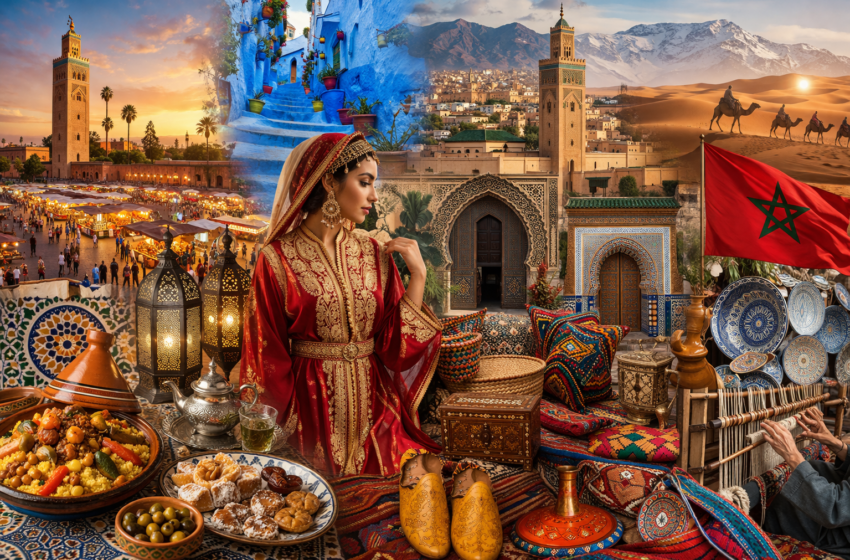
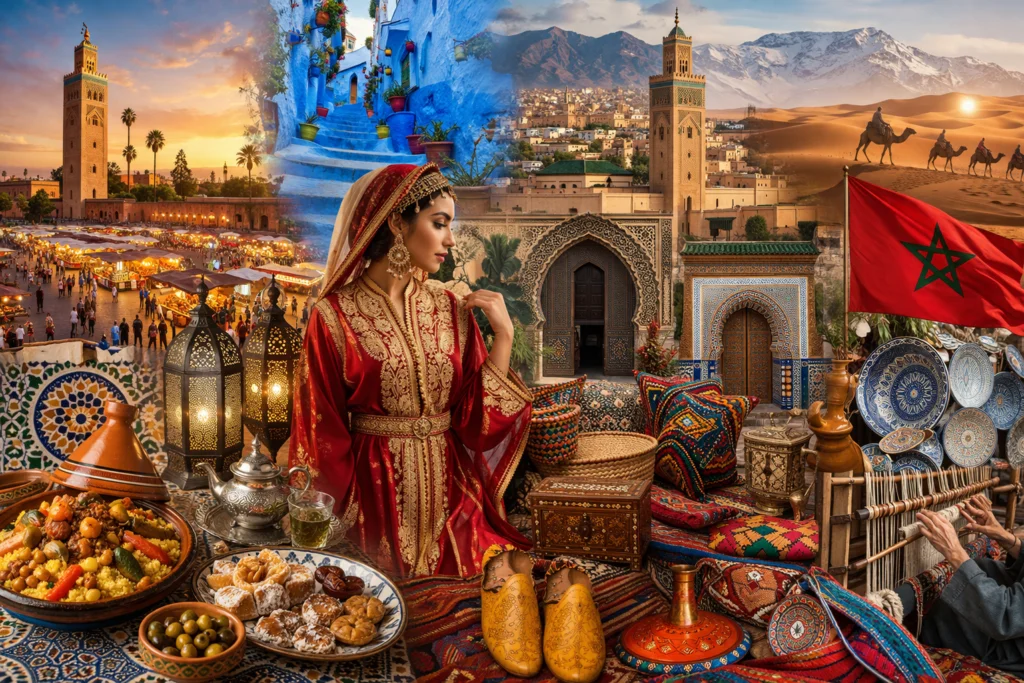
Visiting Morocco in October 2026 is one of the easiest ways to experience the country without the intense heat of midsummer. Days are generally warm and bright, while evenings become cooler, especially in the Atlas Mountains and the Sahara. It is also one of the most popular periods for Marrakech, desert trips, imperial cities and hiking.
This guide covers the best places to visit, the weather you should expect, what to pack and how to build a practical itinerary.
What is the weather like in Morocco in October?
Morocco has several climate zones, so conditions change significantly by region. Marrakech often remains warm during the afternoon, with daytime highs typically in the upper 20s °C, while nights are noticeably cooler. In the Sahara, days can still feel hot but temperatures drop quickly after sunset. Along the Atlantic coast, Essaouira and Agadir are usually milder because of the ocean.
That makes October an especially comfortable transition month: warm enough for terraces and excursions, but much easier for walking than July or August.
1. Marrakech: one of the best October choices
Marrakech is far more comfortable in autumn. You can explore the medina, souks, Bahia Palace and gardens without planning your entire day around extreme heat. In the evening, Jemaa el-Fna is lively while the air is much more pleasant.
October is also a popular travel month, so well-located riads may book quickly, particularly around European school holidays.
If this is your first visit, read our first trip to Morocco guide before you arrive.
2. Merzouga and the Sahara: a great time for the desert
If sleeping among the dunes is high on your list, October is one of the strongest months to go. Camel rides, sunset excursions and desert camps are far more comfortable than during peak summer heat.
Bring a warm layer for the evening, though. The difference between daytime and nighttime temperatures can be surprising.
Before booking, check our Sahara Desert Morocco guide for practical planning tips.
3. Atlas Mountains: hiking, villages and autumn light
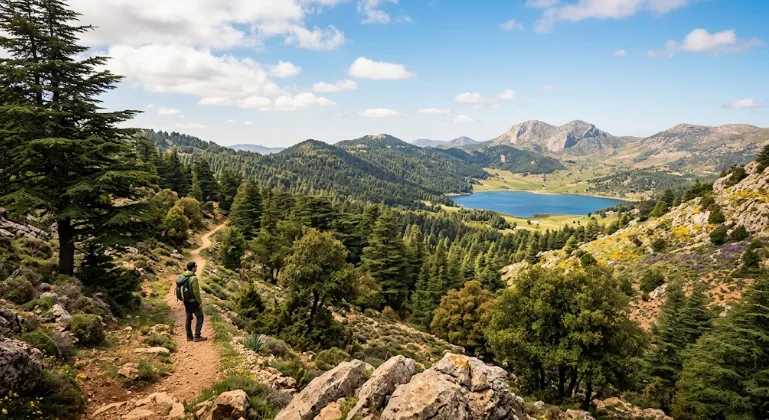
The High Atlas and Middle Atlas are appealing in October for travelers who enjoy hiking. Cooler temperatures make long walks easier, and autumn light gives the mountain landscapes extra depth.
At altitude, conditions can change quickly. Pack a wind-resistant jacket, a warm layer and check local forecasts before any long hike.
4. Essaouira: combine the medina with the Atlantic
Essaouira is a good option if you want a coastal break after Marrakech. The compact medina, ramparts, seafood and relaxed atmosphere work well for a one- or two-night stay. It can be windy, but temperatures are often mild.
For transport planning, see our CTM Marrakech to Essaouira guide, then verify the latest official departure times before booking.
5. Fes and Chefchaouen: strong cultural stops
Fes is very rewarding in October because its medina is easier to explore once the hottest weather has passed. Chefchaouen, farther north and at higher elevation, can feel cooler in the morning and evening, so a light sweater is useful.
For a 7- to 10-day first trip, Marrakech + desert + Fes is a solid combination, but do not underestimate the driving distances between destinations.
What should you pack for Morocco in October?
- Light clothing for daytime.
- A sweater or light jacket for evenings.
- Comfortable shoes for medinas and excursions.
- Sun protection and sunglasses.
- A wind-resistant layer for the coast or Atlas Mountains.
- Warmer clothing if you are sleeping in the desert or at altitude.
Versatile layers are ideal. October can still feel like summer around midday and much more like autumn a few hours later.
How much should you budget in October?
Because October is popular, desirable accommodation can cost more than in low season. Local food, public transport and many activities can still be good value depending on how you travel.
Use our Morocco travel budget guide to estimate your daily costs.
A practical 7-day Morocco itinerary for October
- Day 1: arrive in Marrakech and explore Jemaa el-Fna.
- Day 2: medina, Bahia Palace, souks and gardens.
- Day 3: travel toward Ouarzazate or the Dades Valley.
- Day 4: continue to Merzouga and spend the night in the desert.
- Day 5: return toward Marrakech or continue toward Fes.
- Day 6: full day of sightseeing.
- Day 7: final walk and departure.
If you prefer a slower trip, replace the desert leg with two nights in Essaouira. You will spend less time on the road and more time enjoying each stop.
Is October really one of the best months to visit Morocco?
For a first trip, October is definitely among the best periods of the year. It allows you to combine cities, desert, mountains and coast in generally favorable conditions. The main drawback is popularity, so the best riads and tours may sell out earlier.
For a month-by-month comparison, read our best time to travel to Morocco guide.
Frequently asked questions
Can you swim in Morocco in October?
Yes, especially in the south and in some coastal areas, but sea temperature and wind vary by destination and by week.
Is the Sahara cold at night in October?
Nights are much cooler than the daytime. A jacket or warm layer is recommended for desert camps.
Is October good for hiking in the Atlas Mountains?
Generally yes, but temperatures drop with altitude and you should always check conditions before setting out.
Should you book riads in advance?
In Marrakech and other popular destinations, yes. Booking ahead in October gives you more choice and can protect you from last-minute price increases.
MarocFans tip: always check local forecasts and transport schedules a few days before each leg of your trip, since conditions and services can change.